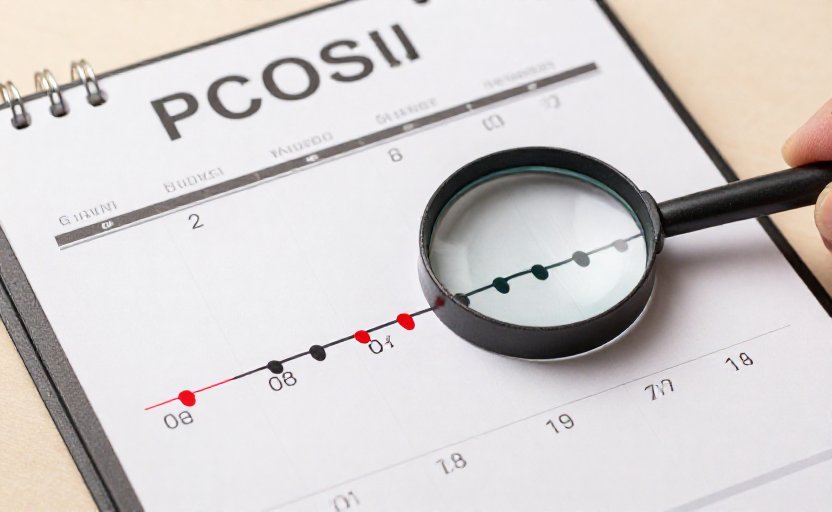
Polycystic ovary syndrome (PCOS) is one of the most common endocrine disorders among people of reproductive age, yet its effects on fertility can be subtle at first. Many people with PCOS ovulate irregularly or not at all, but the transition from manageable cycles to more significant fertility challenges does not happen overnight. Knowing which specific warning signs to watch for can help you seek support earlier and have more informed conversations with your healthcare provider.
Below, four expert-backed signs that your PCOS may be affecting your fertility, along with what these signals actually mean for your body.
1. Your Menstrual Cycle Has Become More Unpredictable
Irregular periods are a hallmark of PCOS, but a shift toward greater unpredictability is a red flag for ovulation problems. If your cycle length used to vary by a few days and now swings from 25 days to 45 days or more—or if you are skipping periods entirely—it strongly suggests that ovulation is becoming less frequent or has stopped altogether.
Without regular ovulation, the ovary does not release an egg each month, which directly affects fertility. A 2021 review in Human Reproduction Update confirms that people with oligo-ovulation (infrequent ovulation) or anovulation (no ovulation) are the most likely to struggle with conception. Tracking cycle length over several months can reveal this pattern; apps or paper calendars work equally well.
2. Mid-Cycle Pain or Bleeding Has Disappeared
Many people notice subtle physical signs around ovulation: a twinge on one side of the lower abdomen (mittelschmerz), a small amount of spotting, or a change in cervical mucus. If these familiar sensations vanish for several consecutive cycles, it may mean that ovulation is not occurring.
Dr. Lora Shahine, a reproductive endocrinologist, notes that the loss of these mid-cycle cues is one of the earliest subjective signs of ovulatory dysfunction in PCOS. While not diagnostic on its own, the disappearance of ovulation-related symptoms combined with irregular cycles warrants a closer look at your hormonal profile, including a check of luteinizing hormone (LH) and progesterone levels.
3. Androgen-Related Symptoms Suddenly Worsen
PCOS is driven in part by elevated androgens (hormones like testosterone). If you notice a rapid increase in acne, new or worsening hair thinning on the scalp, or more facial and body hair growth over a few months, it may reflect a shift in your underlying hormonal environment.
When androgen levels climb higher than your baseline, the ovaries are more likely to halt follicular development, meaning fewer eggs mature enough for ovulation. A 2023 study in Fertility and Sterility found that a sudden increase in clinical hyperandrogenism was strongly associated with lower ovulation rates and poorer response to ovulation induction therapy. If your skin or hair patterns change noticeably, it is worth flagging to your healthcare team.
4. Cycle Tracking Shows a Complete Lack of a Luteal Phase
Even if you get a period, it is possible that you are not ovulating. Anovulatory bleeding can occur when the uterine lining builds up and sheds without an egg being released. The most reliable way to distinguish ovulatory from anovulatory cycles is to confirm that a luteal phase occurred.
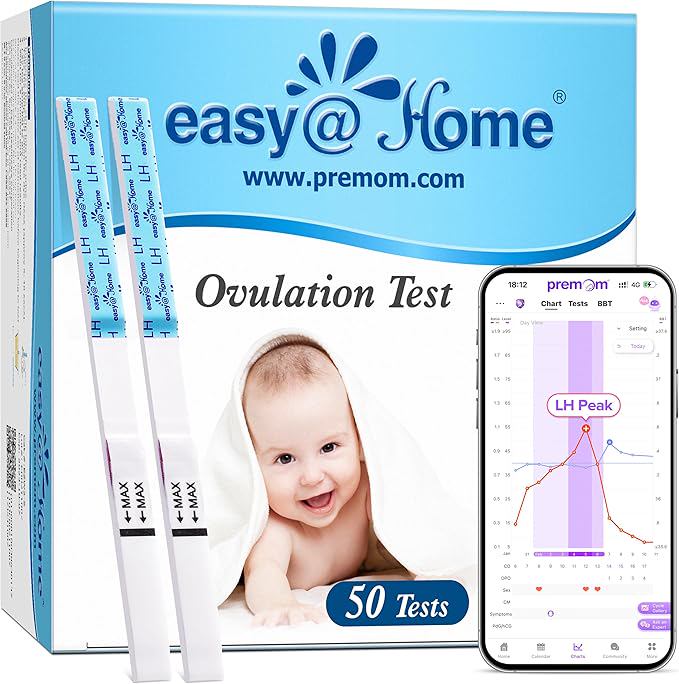
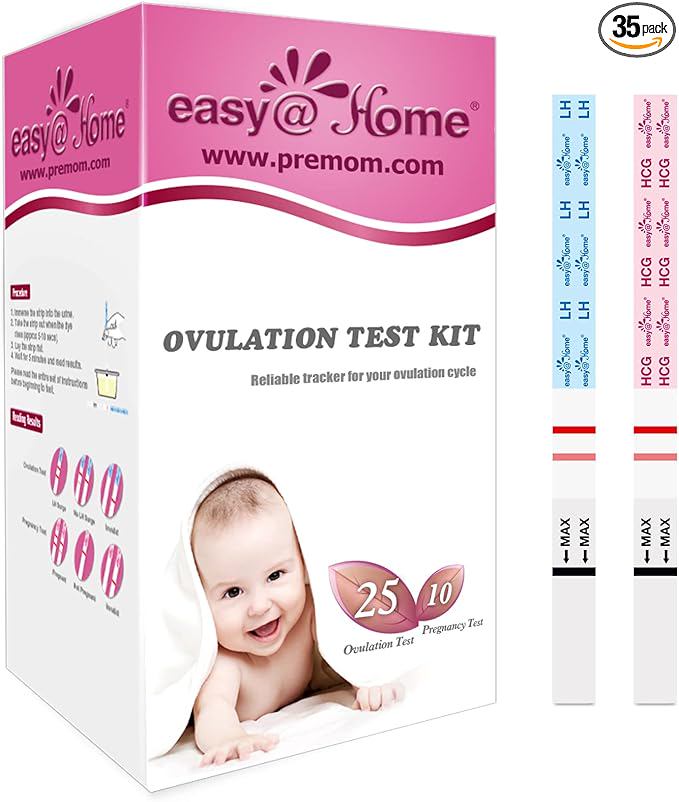
A normal luteal phase lasts 10 to 16 days and occurs after ovulation, when progesterone rises. At-home methods like basal body temperature (BBT) charting or ovulation predictor kits that track LH surges can help. If you consistently see no sustained temperature shift or no LH peak, it strongly suggests that ovulation is absent. Your doctor can confirm this with a mid-luteal phase progesterone blood test (typically drawn seven days before your expected period).
One of the most practical things you can do is track more than just your period start date. Monitoring for ovulation signs each cycle gives you data your doctor can actually use.
What to Do If You Notice These Signs
Recognizing these warning signs does not mean you will never conceive. It does signal that now is the right time for a fertility-focused evaluation. A reproductive endocrinologist or a gynecologist experienced with PCOS can order baseline labs, perform a transvaginal ultrasound to assess ovarian appearance, and help you understand your ovarian reserve.
Lifestyle measures such as a balanced diet, regular physical activity, and stress management remain foundational for PCOS management, but if ovulation is not occurring, they may need to be combined with medical approaches like ovulation induction medications. The sooner the pattern is identified, the more options you have.