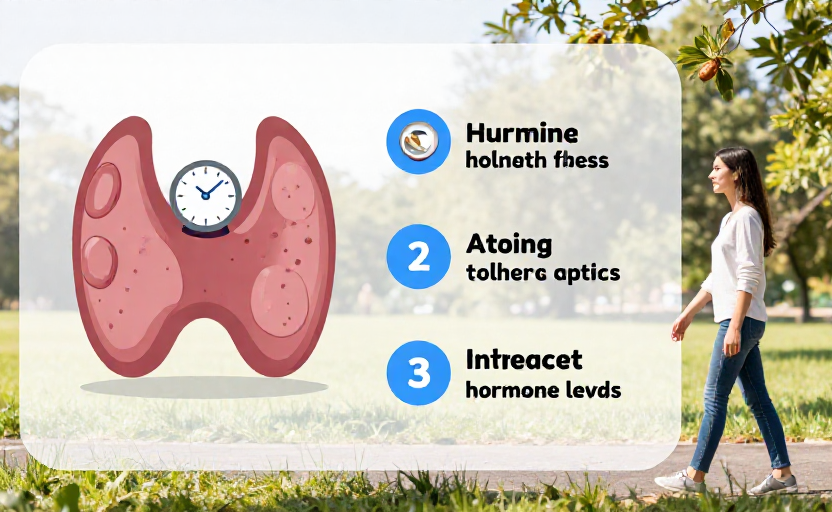
Your thyroid is a small butterfly-shaped gland at the base of your neck, but its influence is anything but small. It governs your body’s metabolism, energy production, and temperature regulation by releasing hormones like thyroxine (T4) and triiodothyronine (T3). When those levels dip or spike unpredictably, you might feel the effects in your mood, sleep, digestion, and even your ability to focus. While medication is a cornerstone of treatment for many thyroid conditions (like hypothyroidism or Hashimoto’s), the way you live your day-to-day life plays a powerful supporting role. Here are four expert-backed strategies to help keep your thyroid hormone levels steady, so you can feel more like yourself.
1. Layer your morning routine around medication timing
If you take synthetic thyroid hormone (levothyroxine), timing is everything. Experts consistently recommend taking it first thing in the morning, on an empty stomach, with nothing but water. Food, coffee, calcium-fortified juices, and even high-fiber meals can interfere with absorption — sometimes significantly. To protect your levels, wait at least 30 to 60 minutes after your dose before eating or drinking anything besides water. Setting a simple daily alarm can turn this into a non-negotiable habit. And if you rely on a morning coffee ritual? Wait that full hour. The small delay is worth every bit of stability.
2. Keep an eye on iodine, iron, and selenium in your diet
Your thyroid needs specific nutrients to function properly, but “more” isn’t always better. Iodine is essential for making T3 and T4, yet excessive iodine can actually trigger or worsen thyroid dysfunction in susceptible people. Instead of reaching for kelp supplements (which are very high in iodine), rely on moderate amounts of iodized salt, seafood, and dairy. Selenium, found in Brazil nuts (just one or two per day is plenty), tuna, and eggs, helps the thyroid convert T4 into the more active T3. Iron, zinc, and vitamin D are also important co-factors. A targeted, food-first approach is safer than mega-dosing with supplements, especially without a doctor’s guidance.
3. Be consistent with physical activity — but don’t overtrain
Regular movement helps your body use thyroid hormones more efficiently. Walking, yoga, swimming, and moderate strength training can improve metabolism and reduce fatigue without spiking stress hormones. But there’s a fine line: intense endurance training or daily high-intensity interval workouts (HIIT) can increase cortisol, which in turn suppresses the pituitary gland and reduces TSH, throwing your levels off balance. Aim for 30 minutes of moderate exercise most days. Listen to your energy cues, especially early in treatment. If you’re wiped out after a workout, scale back. Steady wins the race for thyroid health.
Small windows of stress — whether physical, emotional, or dietary — can nudge your thyroid levels off course. The goal isn’t perfection; it’s consistency.
4. Test, don’t guess — and watch out for common disruptors
Even when you’re doing everything right, other medications, supplements, and lifestyle habits can unknowingly interfere. Biotin (common in hair, skin, and nail supplements) can falsely alter lab results if taken close to blood draws. Antacids, iron supplements, and calcium tablets should be separated from your thyroid meds by at least four hours. Chronic stress, poor sleep, and skipped doses add up. Schedule a comprehensive thyroid panel (including TSH, free T4, and free T3) at least once a year, or more often if your symptoms change. Keep a simple diary of how you feel so you and your doctor have real data to work with.
Keeping your thyroid hormone levels steady is not about a single perfect fix — it’s a collection of smart, repeatable choices that support your medication and your body’s biology. Consistency with timing, targeted nutrition, balanced activity, and careful tracking can help you avoid the ups and downs that drain your energy and your patience. Work closely with your healthcare provider to tailor these tips to your specific condition and lab results.