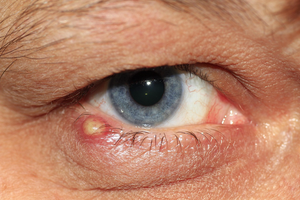
For many women with polycystic ovary syndrome, the hallmark signs of high androgens— stubborn acne, thinning scalp hair, and excess facial or body hair—are often the most visible and distressing pieces of the diagnosis. These symptoms stem from elevated levels of hormones like testosterone and DHEA-S, which can feel relentless when you're already juggling other PCOS-related health concerns.
While PCOS is a complex hormonal condition that requires a comprehensive care plan, there are specific, evidence-informed strategies that can directly target how your body processes and responds to these androgens. These four expert-backed approaches focus on creating a less favorable environment for androgen activity, helping you see and feel real changes over time.
1. Stabilize insulin to lower ovarian testosterone output
The link between insulin and androgens is central to PCOS. When your cells become less sensitive to insulin, your pancreas pumps out more of the hormone to compensate. This excess insulin signals your ovaries to produce more testosterone. It is one of the most direct drivers of high androgen symptoms.
Your first line of defense is supporting better insulin sensitivity through diet and lifestyle. Focus on meals that pair protein, fiber, and healthy fat with a moderate amount of complex carbohydrates—think a piece of salmon with roasted vegetables and quinoa, rather than a bowl of sugary cereal. Avoiding long periods of fasting or large rushes of sugar in one sitting can help keep insulin levels steady.
Consistent movement is another powerful tool. Resistance training, brisk walking, and moderate-intensity exercise help your muscles absorb glucose without requiring as much insulin, effectively lowering the hormonal drive on your ovaries. Over a period of weeks to months, these habits can reduce free testosterone levels and improve symptoms like hirsutism and acne.
2. Reduce androgen receptor sensitivity with targeted supplements
Lowering the amount of androgens circulating in your bloodstream is one goal, but you can also influence how your cells respond to those hormones. Certain naturally occurring compounds have been studied for their ability to block or modulate androgen receptors, making them less likely to activate acne, hair loss, or hair growth.
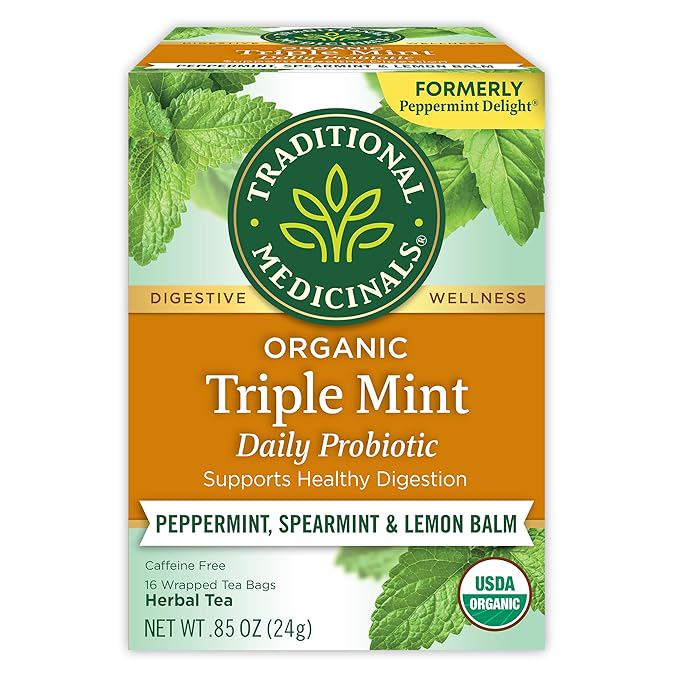
- Spearmint tea: Drinking two cups of spearmint tea daily has shown promise in small studies, with a reduction in free testosterone levels after several weeks. It is a gentle, accessible addition to your routine, though results vary.
- Berberine: A plant alkaloid that works similarly to metformin, berberine can improve insulin sensitivity and lower testosterone. It should be taken with meals and under the guidance of a healthcare provider, as it can interact with other medications.
- Zinc and selenium: These minerals support healthy hair follicles and ovulation. Zinc, in particular, may help reduce acne severity and lower serum testosterone in women with PCOS.
Always introduce one new supplement at a time and monitor your body's response for a few weeks. Supplements are never a substitute for foundational sleep, nutrition, and exercise—they work best as an addition to a solid base.
3. Support your liver and gut for better hormone clearance
The body eliminates excess hormones through the liver and digestive tract. When this detoxification pathway is sluggish, or when gut bacteria aren't balanced, androgens can be reabsorbed back into circulation rather than being excreted. This creates a frustrating cycle where your body remains exposed to hormones it should have already cleared.
You can encourage better clearance by eating plenty of fiber-rich foods (leafy greens, flaxseeds, berries) and fermented foods (yogurt, kefir, sauerkraut) to support a healthy gut microbiome. Cruciferous vegetables like broccoli, cauliflower, and Brussels sprouts contain a compound called indole-3-carbinol, which helps the liver metabolize estrogen and androgens more effectively.
Staying well-hydrated and limiting alcohol also take pressure off the liver's filtering capacity, allowing it to prioritize hormone processing. Over time, these choices reduce the total androgen burden your tissues are exposed to.
4. Prioritize sleep and lower chronic stress
High cortisol from ongoing stress or poor sleep directly worsens PCOS hormonal imbalance. Cortisol blocks insulin receptors (making insulin resistance worse) and can trigger the adrenal glands to release more DHEA-S, an androgen precursor. The result is a double hit: more androgens are produced, and your body is less able to manage the excess sugar that drives ovarian testosterone.
Aim for seven to eight hours of uninterrupted sleep per night, and treat sleep hygiene with the same importance as any other aspect of your care. This means no screens at least 30 minutes before bed, a cool and dark room, and a consistent bedtime. For stress reduction, activities like yoga, meditation, journaling, or simply taking a slow walk outdoors can lower cortisol significantly when done regularly.
If your sleep or stress levels are severely disrupted, consider working with a therapist or sleep specialist to develop a personalized plan. Even small improvements in this area can have a measurable impact on your androgen levels and how they make you feel.
Managing high androgen symptoms is rarely about a single quick fix. It is a process of stacking small, consistent changes that reduce the overall hormonal drive on your skin, hair, and body. By addressing insulin, receptor sensitivity, elimination pathways, and stress simultaneously, you create a comprehensive counterbalance to the androgens that PCOS tends to overproduce.