If you live with polycystic ovary syndrome, you've probably heard the word inflammation more times than you can count. It's not just a buzzword. For many women with PCOS, chronic low-grade inflammation is a core driver of symptoms, from irregular cycles and stubborn weight gain to fatigue and acne. The good news is that inflammation markers like C-reactive protein (CRP) are modifiable. You don't need a drastic overhaul to start turning things around. Here are four expert-backed steps, grounded in hormonal health research and clinical experience, that can help lower inflammation markers in PCOS.
1. Eat for steady blood sugar and a healthy gut
One of the fastest ways to stoke inflammation in PCOS is by sending your blood sugar on a roller coaster. Every spike triggers a release of insulin, and high insulin itself is a pro-inflammatory signal. The goal is not to starve yourself but to pair foods strategically. Think protein, fiber, and healthy fat at every meal. Instead of a bagel for breakfast, try eggs with spinach and avocado. Swap white rice for quinoa or lentils at dinner. This simple swap flattens the glucose curve and lowers oxidative stress. Alongside that, feed your gut microbiome. Fermented foods like kimchi, sauerkraut, and unsweetened yogurt, plus plenty of colorful vegetables, support a healthy gut lining. A compromised gut barrier (sometimes called leaky gut) allows inflammatory particles into your bloodstream, so strengthening that barrier with prebiotic fiber and probiotics can directly reduce systemic inflammation markers.
2. Move your body with intention
Exercise is a double-edged sword in PCOS. Too little can worsen inflammation. Too much high-intensity training without recovery can raise cortisol and send inflammation markers higher. The sweet spot is consistent, moderate movement that your body actually enjoys. Strength training two to three times per week builds lean muscle, which improves insulin sensitivity and lowers inflammatory cytokines. On the other hand, brisk walking for 30 to 45 minutes most days can reduce CRP significantly without stressing your adrenals. If you’re new to working out, start with gentle yoga, dance, or swimming. The key is to avoid punishing yourself. Movement should feel like medicine, not punishment. Many women find that morning walks and lifting weights two days a week is the perfect anti-inflammatory recipe for PCOS.
3. Target specific nutrients that fight inflammation
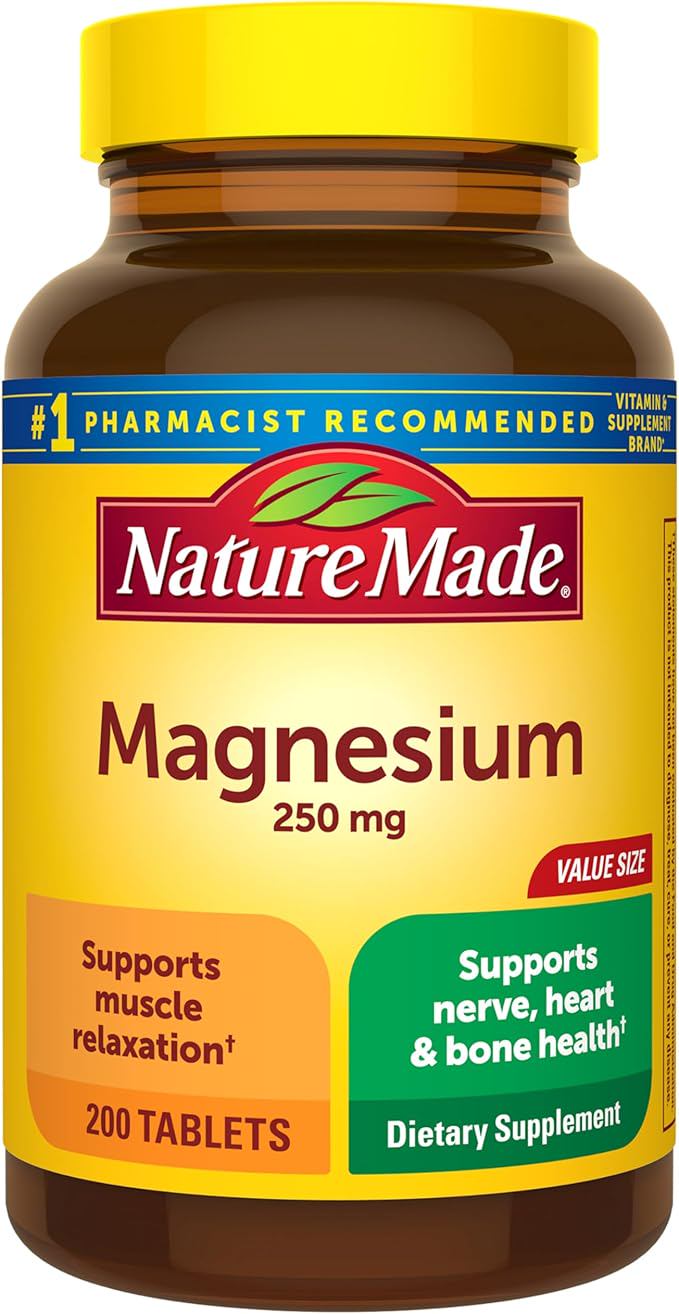
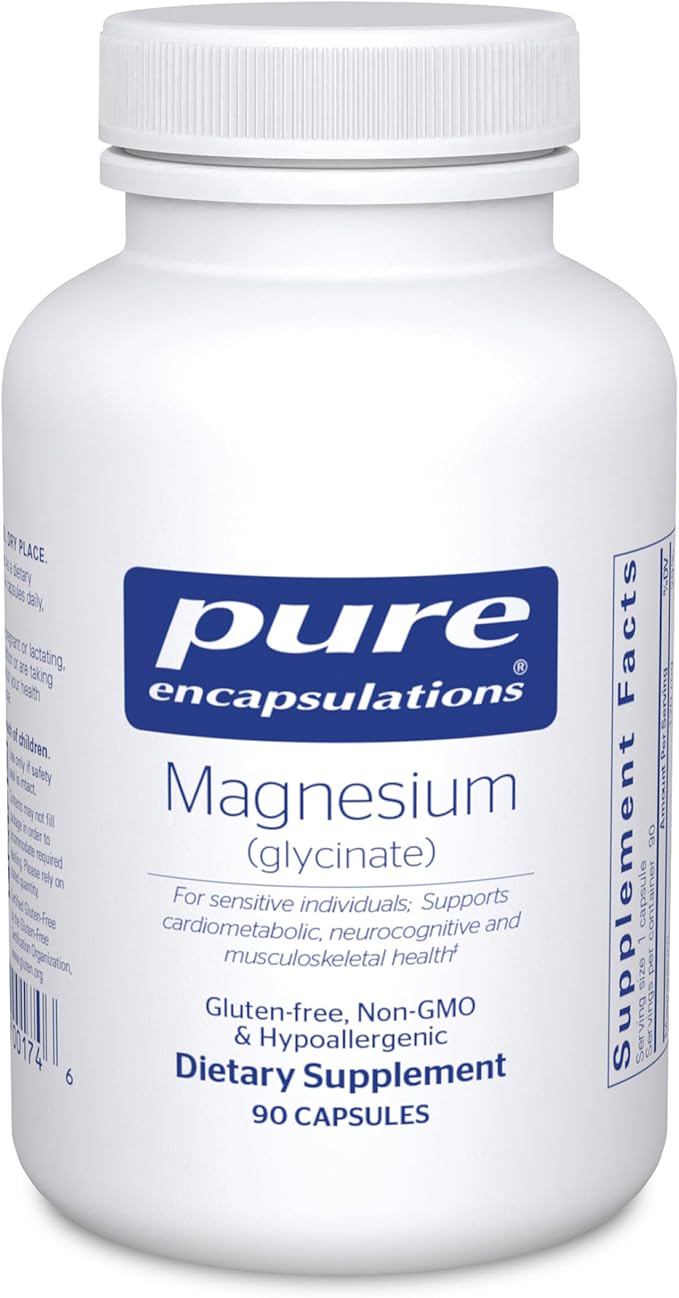
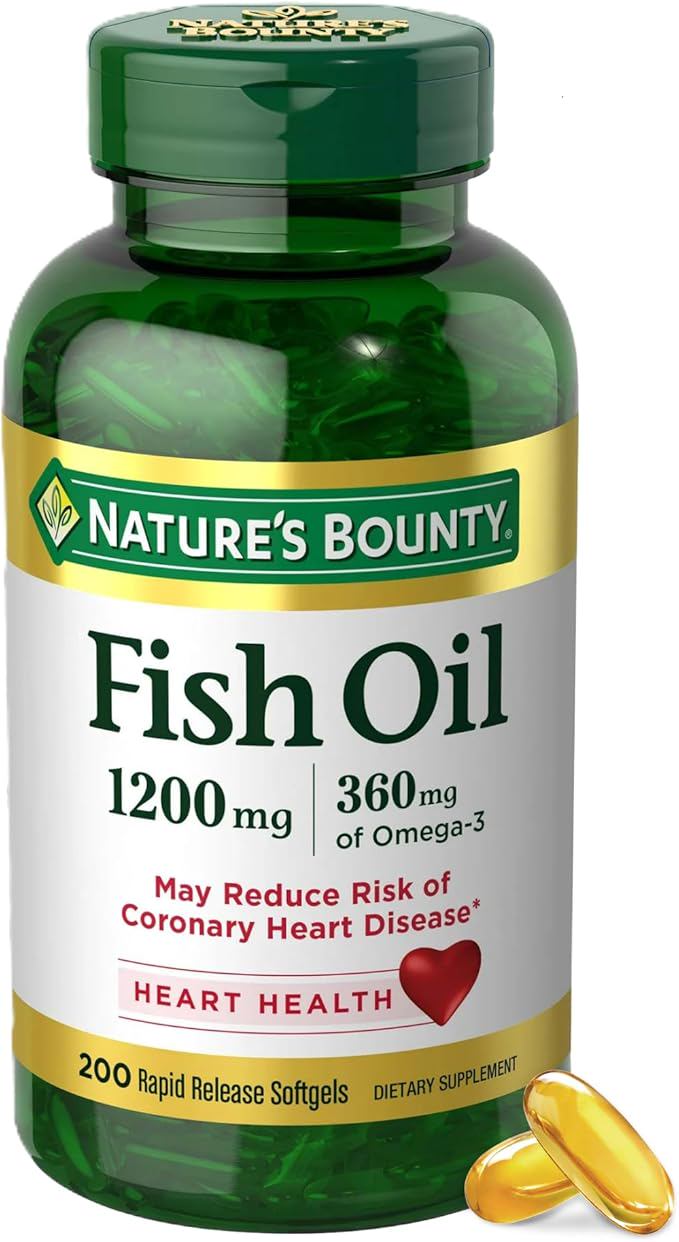
While food comes first, certain nutrients are especially helpful for tamping down inflammation in PCOS. Omega-3 fatty acids, found in fatty fish like salmon, sardines, and mackerel or in a quality fish oil supplement, are well-researched for lowering CRP and other markers. Inositol, particularly myo-inositol and d-chiro-inositol in a 40:1 ratio, is widely studied for improving insulin sensitivity and reducing ovarian inflammation. Vitamin D is another big one. Many people with PCOS are deficient, and low vitamin D is linked to higher inflammation. Getting your levels checked and supplementing as needed (based on your specific lab work) can make a noticeable difference. Magnesium, turmeric (curcumin plus black pepper for absorption), and zinc are also supportive. Remember, supplements are not a replacement for a whole-food diet, but they can help fill in the gaps.
A quick tip: introduce one new supplement at a time and track how you feel after a few weeks. Not everyone responds the same way.
4. Prioritize sleep and manage stress patterns
You can eat perfectly and exercise daily, but if you're sleeping poorly and running on adrenaline, your inflammation markers will stay elevated. Sleep disruption directly increases CRP and other inflammatory markers. Aim for seven to nine hours of quality sleep. That means a cool, dark room, no screens an hour before bed, and a consistent wind-down routine. Stress management is equally vital. Cortisol, the primary stress hormone, communicates directly with the ovaries and immune system. Chronic stress keeps your body in a low-grade inflammatory state. The most practical strategy is not to eliminate stress (impossible) but to build in daily moments of intentional calm. That could be a five-minute breathing exercise, journaling, a short walk without headphones, or simply sitting with a cup of tea. Over time, these small anchors lower baseline cortisol and reduce inflammation.
Lowering inflammation with PCOS is not about perfection. It's about small, consistent choices that honor your body's biology. The four steps above—smart nutrition, intentional movement, targeted nutrients, and rest and stress management—form a realistic framework you can begin today. For best results, work with a healthcare provider or registered dietitian who understands PCOS to tailor these strategies to your own labs and symptoms. Every small step counts.