
Living with atrial fibrillation can feel unpredictable. One moment you’re fine, the next your heart is racing, fluttering, or skipping beats without warning. While medical treatment is essential, there are practical, expert-backed steps you can take at home to help reduce episodes and feel more in control of your condition.
These strategies don’t replace your doctor’s care plan, but they can support your heart health between appointments and help you recognize what works best for your body.
1. Master your personal triggers
Many people with AFib notice that certain things consistently provoke symptoms. The most common triggers include alcohol, caffeine, large meals, stress, and dehydration. Keeping a simple diary for a few weeks can reveal patterns you might otherwise miss.
When you feel an episode starting, jot down what you ate, drank, felt, and did in the hour beforehand. Over time, you may find that skipping that glass of wine, swapping coffee for herbal tea, or eating smaller dinners makes a real difference.
One patient found that even a single glass of red wine reliably triggered an episode. She switched to non-alcoholic options and saw her symptoms drop significantly within a month.
Be cautious with over-the-counter cold medications and energy drinks, which can also provoke arrhythmias in some people. When in doubt, ask your cardiologist before taking any new supplement or medication.
2. Build a stress-management routine that actually works
Stress doesn’t just feel bad—it is a well-documented trigger for AFib episodes. The problem is that generic advice to “relax” is unhelpful when you’re actually anxious. Instead, create a short, repeatable routine you can do anywhere.
Start with box breathing: inhale for 4 counts, hold for 4 counts, exhale for 4 counts, hold for 4 counts. Repeat for 3 minutes. This activates your parasympathetic nervous system, which helps calm the electrical activity in your heart.
Other techniques that many people with AFib find helpful include:
- Progressive muscle relaxation (tensing and releasing muscle groups from feet to head)
- Gentle walking outdoors for 10–15 minutes
- Listening to a guided meditation or nature sounds
- Calling a friend who understands your condition
Consistency matters more than length. Even 5 minutes of deep breathing twice a day can lower your baseline stress level over time.
3. Optimize your sleep environment and schedule
Poor sleep and AFib often create a vicious cycle: AFib can wake you up, and sleep deprivation makes your heart more irritable. Sleep apnea is especially common in people with atrial fibrillation, and treating it can dramatically reduce symptoms.
To support your heart while you sleep, start with the basics:
- Keep your bedroom cool (around 65-68°F)
- Blackout curtains to eliminate light
- No screens for at least 30 minutes before bed
- Go to bed and wake up at the same time every day, including weekends
If you snore loudly, wake up gasping, or feel exhausted even after 8 hours in bed, talk to your doctor about a sleep study. Many AFib patients find that using a CPAP machine or a simple oral appliance reduces their episodes significantly.
4. Track your vitals with simple tools
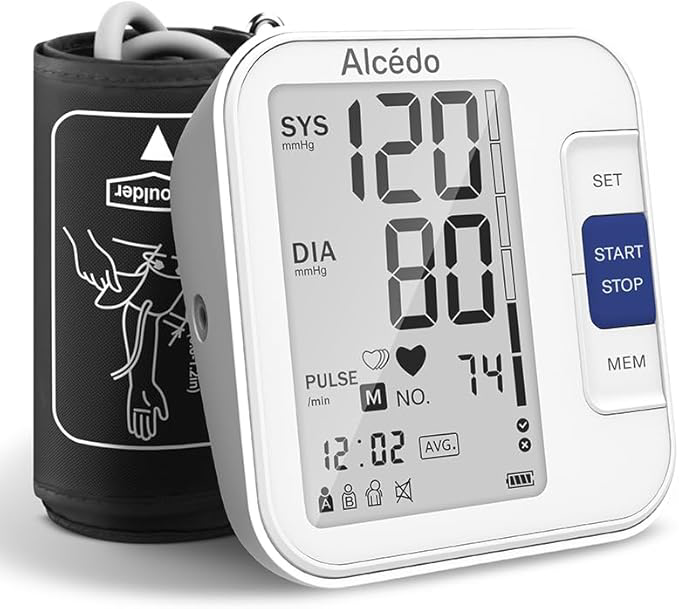
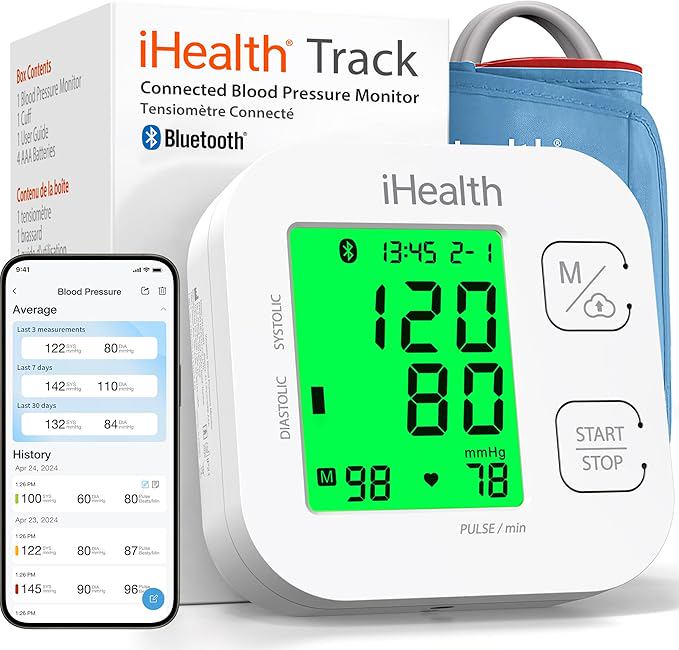
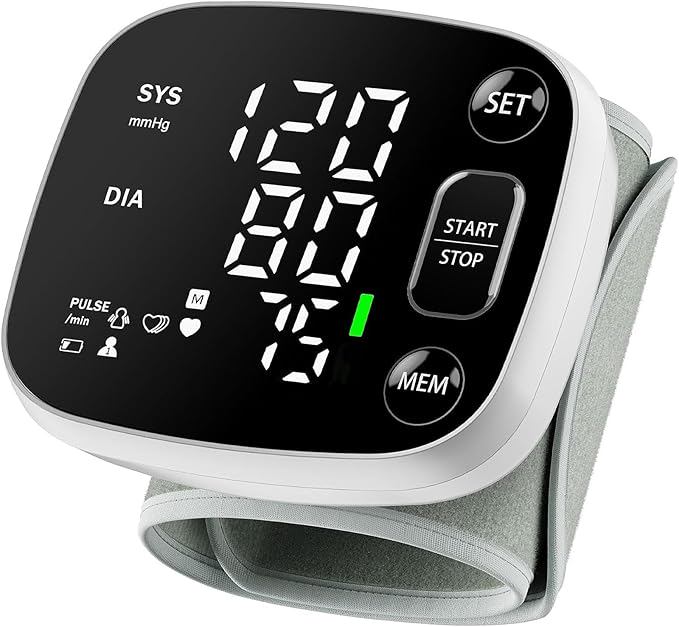
Having data about your heart rhythm can help you and your doctor make better decisions. You don’t need expensive equipment. A basic automatic blood pressure monitor with an irregular heartbeat detector is affordable and easy to use.
Check your blood pressure and pulse at the same time each morning (before taking medications, if safe) and again at bedtime. Record any palpitations, dizziness, or shortness of breath alongside the numbers.
Some smartwatches now have FDA-cleared ECG functions, but they aren’t necessary for everyone. If you do use one, remember that they can produce false alarms. Always verify any alert with a clinical device and report your findings to your care team.
One person found that her episodes consistently occurred when her morning heart rate exceeded 90 bpm. By adjusting her medication timing with her doctor’s guidance, she reduced her rate of episodes by half.
Always call your provider if you experience chest pain, fainting, or an episode that lasts longer than usual. These home strategies are supportive tools, not emergency solutions.
Managing atrial fibrillation at home is about building awareness, reducing known triggers, and creating routines that support your body’s natural rhythms. Start with one step—tracking your triggers, for example—and give it two weeks before adding another. Small, consistent changes often lead to the biggest improvements.