
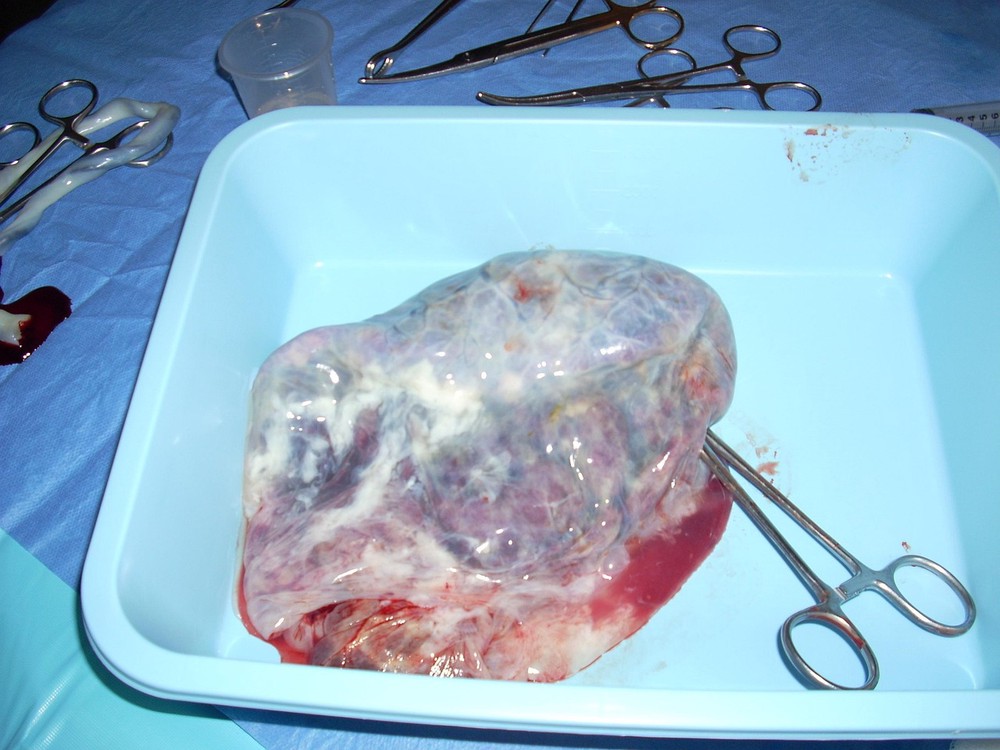
Uterine health often takes a backseat in everyday wellness conversations, yet it influences everything from menstrual comfort to fertility and long-term hormonal balance. While some factors are beyond our control, research and clinical experience point to several lifestyle adjustments that can meaningfully support the uterus. Below are four expert-backed shifts worth considering, grounded in current evidence and traditional wisdom alike.
Prioritize Rest and Sleep Recovery
Rest is not a luxury—it is a physiological necessity for the body’s repair mechanisms, especially after childbirth or during times of hormonal change. The concept of “nesting” in many cultures, where a new mother and baby share a quiet, contained space, reflects an intuitive understanding that sleep in small, cumulative portions aids tissue healing and emotional bonding. Aim for at least six to eight hours of total sleep per day, broken into manageable segments if needed. This pattern helps regulate cortisol, supports immune function, and allows the uterine lining to recover between cycles.
Short, restful breaks throughout the day are more restorative than one long stretch of interrupted sleep.
Adopt a Nutrient-Dense, Anti-Inflammatory Diet
What you eat directly influences uterine tissue health and hormone metabolism. A diet rich in whole foods—leafy greens, fresh fruits, lean proteins, and healthy fats—provides the building blocks for balanced estrogen and progesterone levels. Traditional postpartum diets in South Asia, for instance, feature ingredients like turmeric, ginger, cumin, fenugreek seeds, nuts, and edible gum (gondh). These ingredients are known for anti-inflammatory, digestive, and immune-supporting properties. They also support lactation, which is relevant for uterine involution after delivery.
Specifically, polyphenols found in vegetables and spices may help reduce oxidative stress on uterine cells. Omega-3 fatty acids from sources like flaxseeds and fish contribute to regulating prostaglandins, which influence menstrual cramps and inflammation. Avoid crash dieting or rapid weight loss after pregnancy, as extreme caloric restriction can disrupt hormonal signaling and delay healing.
Traditional Foods That Support Uterine Health
- Fenugreek seeds (methi) — may help with lactation and contain compounds that support smooth muscle function.
- Turmeric and ginger — natural anti-inflammatories that can ease pelvic discomfort.
- Ajwain (carom seeds) water — traditionally used to relieve gas and improve digestion post-delivery.
- Gondh ladoos — energy-dense, with nuts and edible gum that provide calcium and healthy fats.
Incorporate Therapeutic Massage
Massage therapy is more than a relaxation tool—it has measurable physiological benefits for uterine recovery. Full-body massage, particularly in the weeks after childbirth, helps relieve sore muscles, reduces stress hormones, and releases endorphins. It also improves blood and lymphatic circulation, which can accelerate the resolution of pregnancy-related swelling. Some studies suggest that massage may enhance breast milk production by raising prolactin levels, and it helps stabilize dopamine and serotonin, potentially lowering the risk of postpartum blues.
Even outside the postpartum period, abdominal massage (performed by a trained professional) can support menstrual regularity and reduce pelvic congestion. Gentle, consistent massage encourages relaxation of the pelvic floor and may aid in managing conditions like endometriosis-related pain when used as part of a broader care plan.
Practice Deliberate Self-Care and Know When to Seek Help
The transition into motherhood—or any significant hormonal shift—can be mentally and emotionally taxing. Self-care in this context means intentionally slowing down, focusing on the present, and accepting that caregiving is demanding and often unstructured. It is normal to feel challenged. Carving out even ten minutes for yourself daily—whether through deep breathing, a warm bath, or a short walk—can help regulate the nervous system and reduce uterine muscle tension linked to chronic stress.
Equally important is recognizing when professional support is needed. Recovery from childbirth and the demands of newborn care are overwhelming for many. Partners, family members, and caregivers can assist with household tasks and infant care after feeding. Reach out to a healthcare provider if you experience any of the following warning signs: excessive pain, heavy bleeding, fever, persistent headache, urinary or bowel issues, or difficulty breastfeeding. Many hospitals offer lactation consultants and mental health professionals who specialize in the postpartum period.
The information provided here is for general educational purposes only and does not substitute for professional medical advice. Always consult a qualified healthcare practitioner for personal health concerns.




![NatureWise Curcumin Turmeric 2250mg - 95% Curcuminoids & BioPerine Black Pepper Extract for Advanced Absorption - Daily Joint and Immune Health Support - Vegan, Non-GMO, 360 Count[120-Day Supply]](https://www.glowtheorylab.com/uploads/ad202604/119da34a7fbfbc2d.webp)