For many women with Polycystic Ovary Syndrome, the path to regular ovulation can feel frustratingly complex. While medication has its place, emerging research and clinical experience consistently point to one controllable factor: what you eat. The good news is that targeted dietary shifts—not extreme overhauls—can directly influence hormone balance and restore ovulatory cycles.
These four evidence-based changes focus on insulin sensitivity, inflammation reduction, and hormonal signaling. They are not a cure-all, but for many, they are the foundation upon which improved fertility and cycle regularity are built.
1. Prioritize Low–Glycemic Load Carbohydrates
The link between PCOS and insulin resistance is well established. When your body produces excess insulin, it can trigger the ovaries to produce more testosterone, disrupting the delicate hormonal feedback loop required for ovulation. The most direct dietary lever to pull is choosing carbohydrates that do not spike blood sugar.
Instead of eliminating carbs, swap sources. Replace white bread, sugary cereals, and white rice with quinoa, lentils, chickpeas, steel-cut oats, and non-starchy vegetables like broccoli and leafy greens. A 2019 review in Nutrients found that low–glycemic index diets significantly improved menstrual regularity and hormonal profiles in women with PCOS.
Quick tip: Pair any carbohydrate with a source of protein or healthy fat—think apple slices with almond butter or a lentil soup with olive oil. This combination slows digestion and blunts the insulin response.
2. Increase Anti-Inflammatory Omega‑3s
Chronic low-grade inflammation is a hallmark of PCOS and further impairs insulin function. Omega-3 fatty acids found in fatty fish and certain seeds are powerful anti-inflammatory agents. They also support cell membrane function, which improves how your cells respond to insulin in the first place.
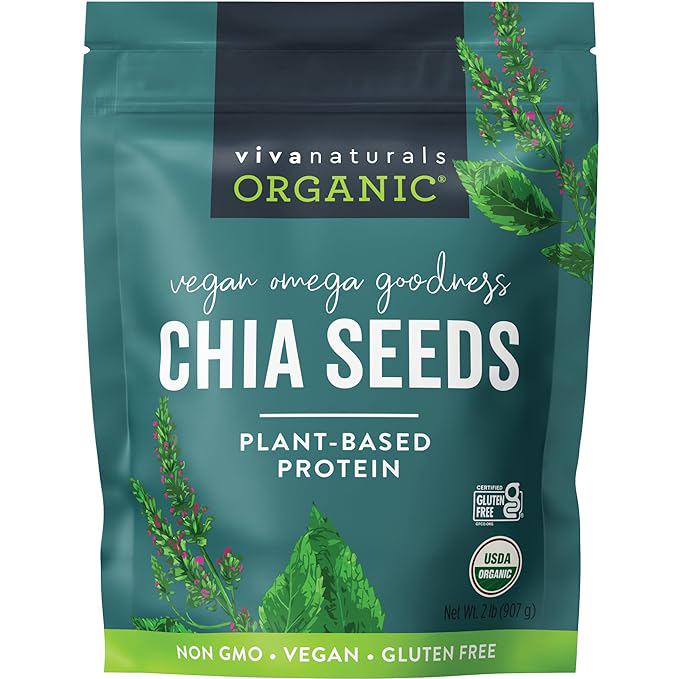
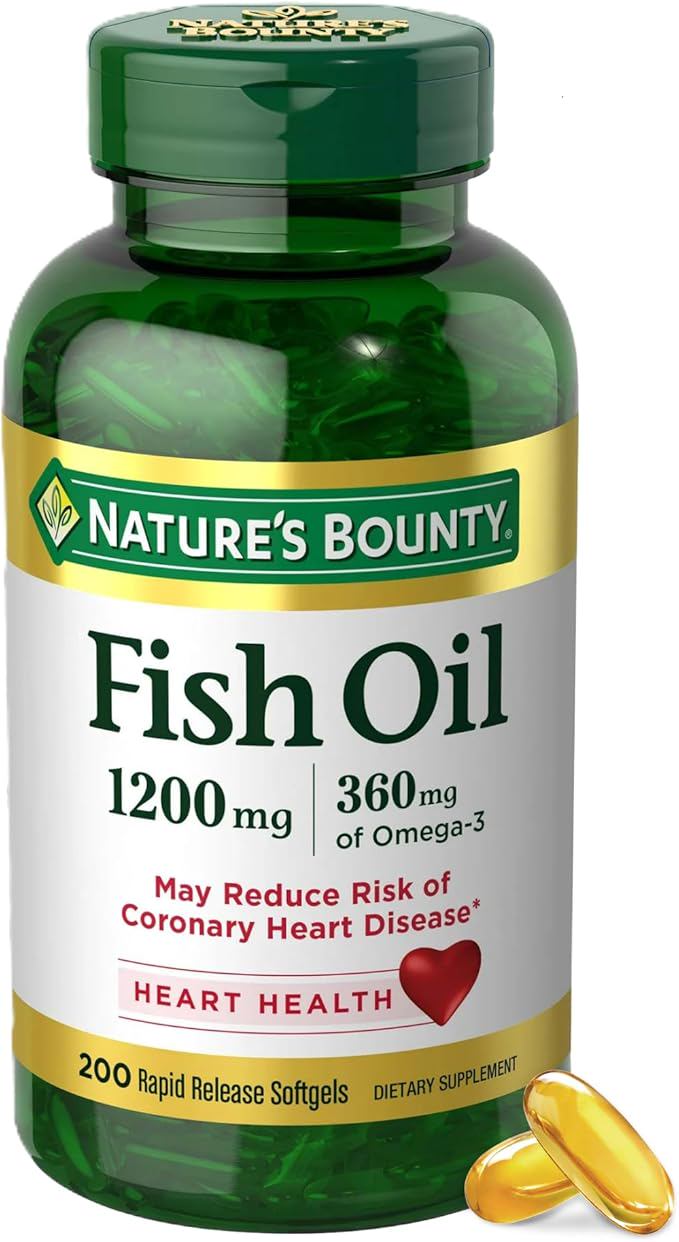
Two to three servings of cold-water fish (wild salmon, sardines, mackerel) per week can be transformative. For plant-based options, ground flaxseeds, chia seeds, and walnuts supply ALA, a precursor to active omega-3s. A small 2020 clinical trial observed that women with PCOS who took omega-3 supplements showed a significant increase in ovulation rates compared to a placebo group.
3. Cut Through the Sugar Haze: Reduce Added Sugars
This is not about demonizing all sweet things—it is about eliminating the constant metabolic burden of added sugars. High intakes of fructose and sucrose directly worsen insulin resistance and have been linked to higher free testosterone levels.
Start by reading labels on condiments, yogurts, granola bars, and sauces. The goal is not zero sugar but a sharp reduction: aim to get added sugar below 25 grams per day (about six teaspoons). Replace sugary beverages—including sweetened coffee drinks and fruit juice—with water, herbal tea, or sparkling water with lemon. Even a modest reduction in sugar intake often leads to noticeable improvements in cycle regularity within three months.
- Watch out for: Agave nectar, brown rice syrup, and cane juice. These are not meaningfully better than white sugar.
- Swap it: A square of dark chocolate (70% cocoa or higher) instead of milk chocolate or candy.
4. Emphasize Fiber at Every Meal
Fiber helps stabilize blood sugar by slowing carbohydrate absorption. It also supports the gut microbiome, which plays a role in estrogen metabolism. Women with PCOS tend to have less diverse gut bacteria, and low fiber intake contributes to this imbalance.
Goal: 25–35 grams of fiber daily from whole foods. This means building meals around vegetables, legumes, nuts, seeds, and intact whole grains. A simple breakfast bowl with oats, berries, and chia seeds can deliver 10 grams of fiber before lunch. Soluble fiber—found in oats, barley, beans, and apples—is particularly effective at blunting post-meal glucose spikes.
Putting It All Together: Realistic Next Steps
These four changes work best as a cohesive pattern, not as isolated rules. Do not try to implement all of them overnight. Pick one change—perhaps swapping refined carbs for whole-food alternatives—and practice it consistently for two weeks. Then layer in another. Most women see improvements in cycle regularity within two to three cycles when these dietary shifts are sustained.
It is also worth noting that these changes often support modest, gradual weight loss, which further improves insulin sensitivity and hormonal balance. Even a 5–7% reduction in body weight can restore ovulation in some women with PCOS.
Always work with your healthcare provider when making significant dietary changes, especially if you are taking medications like metformin or hormonal birth control. Food is a powerful tool, but it works best as part of a comprehensive plan.