Painful intercourse—known medically as dyspareunia—is more common than most people realize. While many factors can contribute to discomfort during intimacy, some everyday habits may actually make symptoms worse without you even noticing. The good news is that small, mindful adjustments can help. Below, we unpack four common habits that may be intensifying pain during sex and what you can do instead.
1. Sitting for Long Hours Without Movement
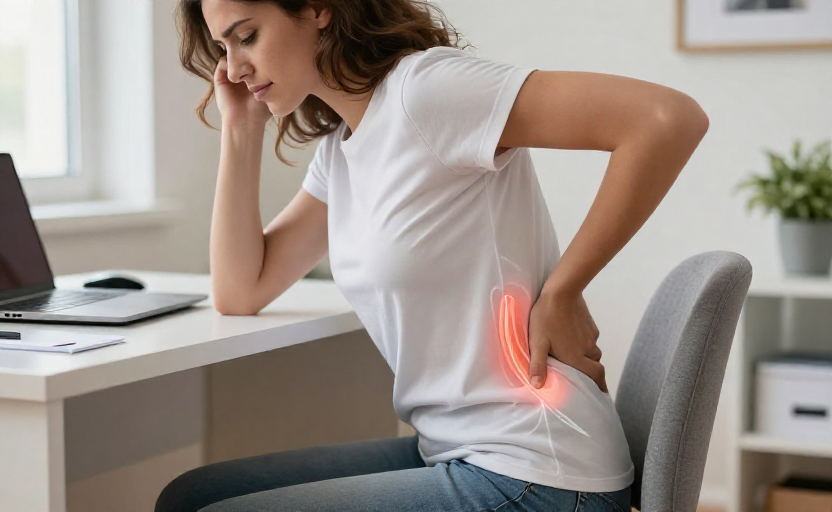
If you spend most of the day seated, you're not alone. But prolonged sitting can tighten the hip flexors, shorten the pelvic floor muscles, and reduce blood flow to the pelvic region. Over time, this stiffness can translate into discomfort—or outright pain—during intercourse. The pelvic floor needs to be flexible and responsive; when it's constantly compressed, it can become hypertonic (overly tight) and tender.
What helps: Break up sitting time with short walks every 30–45 minutes. Gentle hip-opening stretches like standing hip thrusts or cat-cow poses can also release tension. Even two minutes of movement per hour can make a real difference.
2. Engaging in High-Impact Exercise Without Pelvic-Floor Awareness
Regular exercise is vital, but certain movements—especially those that put repeated pressure on the pelvic floor—can worsen symptoms if you already have pelvic pain. Heavy squats, intense core work, and high-impact jumping can cause the pelvic floor muscles to brace rather than relax. This chronic bracing can lead to muscle spasms and heightened pain during sex.
It’s not about avoiding exercise. It’s about choosing movements that train the pelvic floor to lengthen and release, not just tighten.
Exercises that encourage controlled, rhythmic movement—such as glute bridges, side-to-side lunges done gently, and sumo squats with a focus on relaxation—can strengthen supporting muscles without overloading the pelvic bowl. The key is to avoid holding the breath or bearing down during exertion.
3. Poor Bathroom Habits (Straining and Holding)
Chronic constipation or frequent straining on the toilet can strain the pelvic floor and pudendal nerve network. Over time, this can cause or worsen pain during intercourse. Similarly, habitually “holding it” when you need to urinate can confuse nerve signals in the pelvis, leading to hypertonic muscles and discomfort.
If you tend to push too hard during bowel movements or rush through trips to the bathroom, your pelvic floor muscles may stay in a state of low-grade tension. That tension can then show up as pain during intimacy.
What helps: Stay hydrated, eat fiber-rich foods, and practice relaxed, unhurried bathroom habits. If constipation is a recurring issue, talk with a healthcare provider. A pelvic floor physical therapist can also teach you how to relax the pelvic floor during elimination rather than strain.
4. Skipping Lubrication—Or Using the Wrong Kind
It may seem like a small detail, but insufficient lubrication is one of the most reversible causes of painful intercourse. Many people don't realize that natural lubrication can vary day to day due to hydration, stress, hormonal changes, or medications like antihistamines and antidepressants. Relying solely on arousal without external lubricant can lead to friction, irritation, and pain.
On the other hand, some commercial lubricants contain ingredients that can sting sensitive tissue—glycerin, parabens, or fragrances, for example. For individuals already dealing with vulvar pain or dryness, these additives can make symptoms worse.
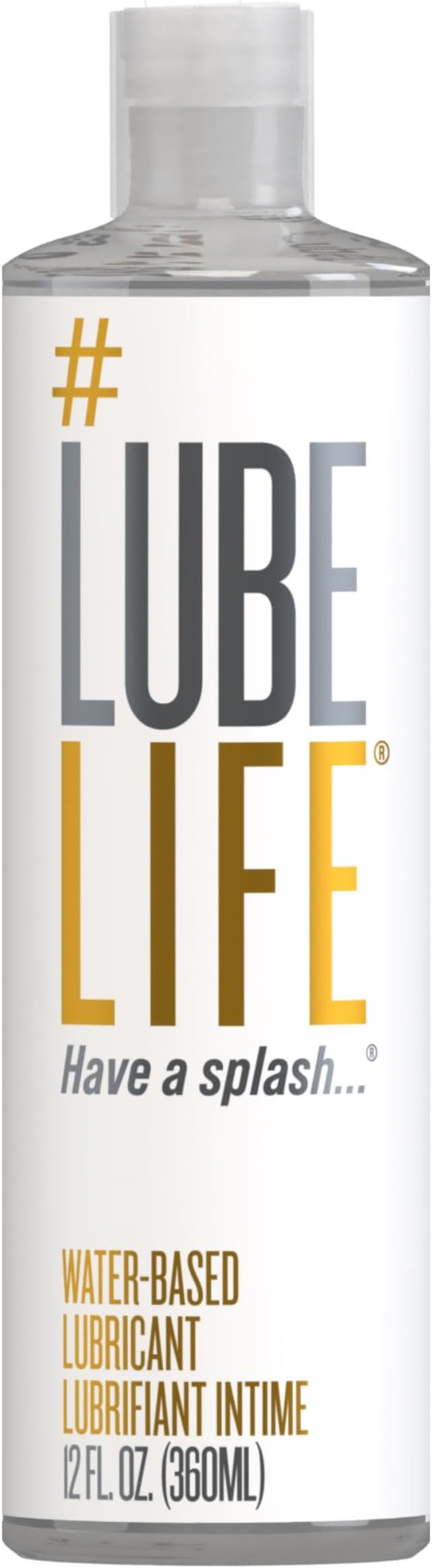
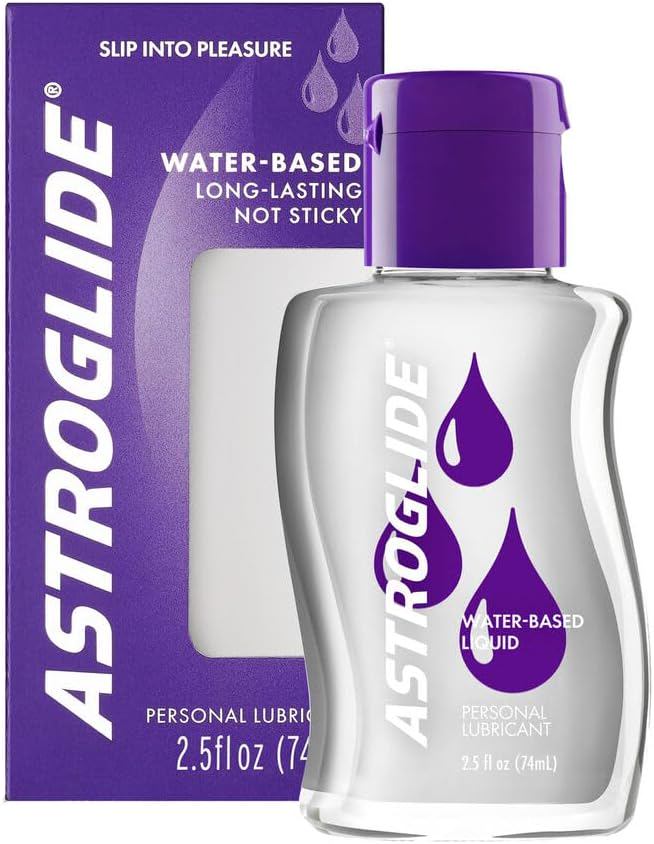
A high-quality, water-based or silicone lubricant with minimal ingredients is often the safest option. Avoid anything labeled “flavored,” “tingling,” or “warming” if you have pain—they tend to irritate.
If you’ve been avoiding intimacy or dreading sex because of discomfort, know that you are not alone and help is available. Pelvic floor physical therapy, counseling for emotional factors, and open communication with your partner are all evidence-based paths forward. These four habits are a starting point—not a diagnosis—and small changes can lead to meaningful relief.