Heart valve disease can develop silently, often masquerading as everyday health nuisances. Many people dismiss its early warning signs as fatigue, weight gain, or simply getting older. But when your heart's valves aren't opening or closing properly, the strain on your cardiac system produces subtle signals that deserve attention.
Understanding the difference between a benign symptom and one that points to a valve problem is crucial. Here are four early symptoms of heart valve disease that can feel like something else entirely.
1. Unusual Fatigue That Feels Like General Exhaustion
You might blame your tiredness on poor sleep, work stress, or a busy schedule. But when a heart valve is narrowed or leaking, the heart has to work harder to pump blood. This extra effort drains energy reserves. Unlike typical tiredness, this fatigue often appears with mild exertion — walking up one flight of stairs or carrying groceries might leave you feeling wiped out. If rest doesn't restore your energy and the fatigue persists for weeks, it's worth discussing with a healthcare provider.
2. Shortness of Breath That Feels Like Being Out of Shape
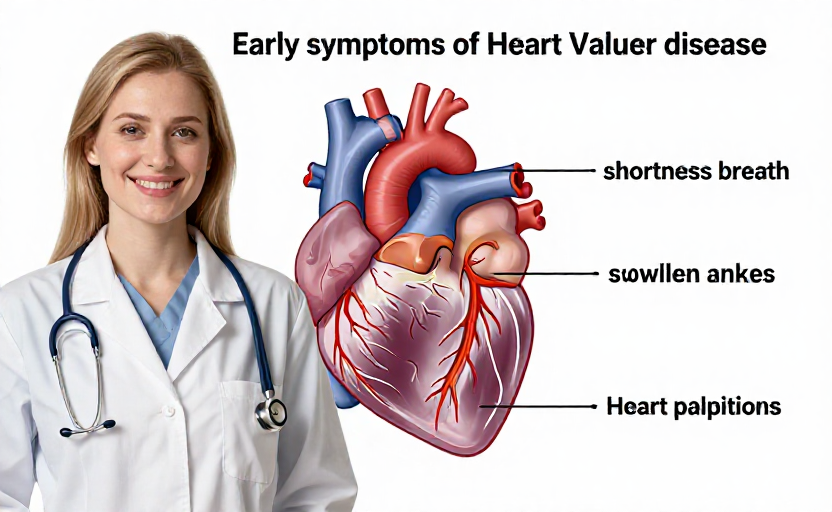
Getting winded after climbing stairs is easy to attribute to aging or poor fitness. In heart valve disease, shortness of breath occurs because blood backs up in the lungs, reducing oxygen exchange. This symptom may appear during physical activity but can also occur when lying flat. Some people wake up gasping for air at night or need extra pillows to breathe comfortably. If you notice your breathing becoming labored more quickly than it used to, don't assume you just need more cardio.
3. Swelling in the Ankles and Feet That Looks Like Fluid Retention
Swollen ankles can result from a long day on your feet, a high-salt meal, or warm weather. But when a heart valve isn't working properly, blood pools in the veins of the lower body, causing fluid to leak into surrounding tissues. This type of swelling, called edema, often worsens as the day goes on and may leave a temporary indentation when pressed. If swelling appears alongside fatigue or breathlessness, it could signal that your heart is struggling to circulate blood efficiently.
4. Heart Palpitations or a Sensation of Fluttering
Most people experience an occasional skipped beat or a brief flutter, often linked to caffeine, anxiety, or dehydration. In heart valve disease, the irregular rhythm stems from the heart's chambers working harder to compensate for the faulty valve. You might feel your heart pounding in your chest, throat, or neck. These palpitations can come and go, making them easy to dismiss as transient. But if they're accompanied by dizziness, chest discomfort, or any of the symptoms above, it's wise to get evaluated.
When to Take These Symptoms Seriously
Many of these signs overlap with other conditions like anemia, anxiety, or deconditioning. The key is context. Heart valve disease symptoms tend to start subtly and progress gradually. They may not all appear at once. If you have risk factors such as a history of rheumatic fever, high blood pressure, connective tissue disorders, or a family history of heart problems, these symptoms carry more weight.
A simple stethoscope exam often reveals a heart murmur — one of the most common first clues. Your doctor may then order an echocardiogram to assess valve function.
Paying attention to what your body is telling you matters. Early detection of valve disease can prevent more serious complications like heart failure or arrhythmias. If any of these four symptoms persist or interfere with your daily life, schedule an appointment. It might be nothing, but it might also be the earliest signal that your heart valves need attention.