
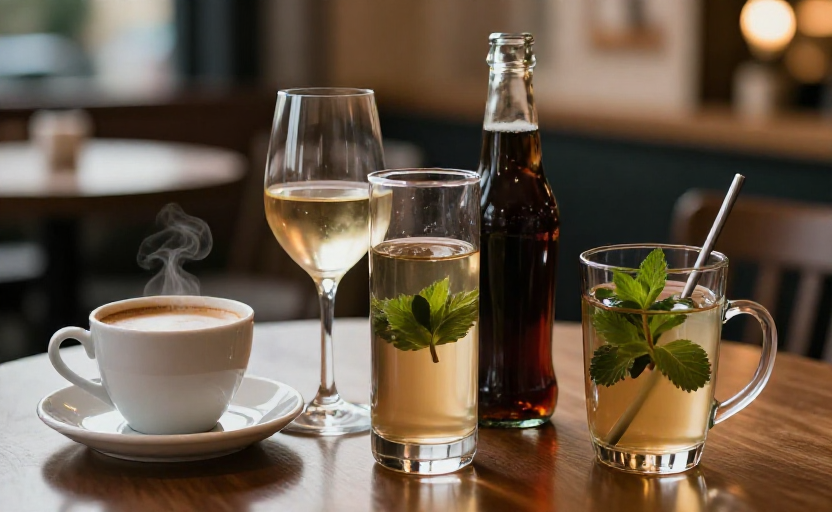
When the evening rolls around and you're hoping for a relaxed, intimate connection with your partner, the drink in your hand might be working against you. Many people don't realize that certain common beverages can quietly interfere with circulation, nervous system signaling, and hormone balance—all of which play a role in healthy arousal. If you've noticed that your body isn't responding the way you'd like when it matters most, it's worth taking a closer look at what you're sipping after dinner.
Here are four drinks to consider skipping in the evening if you want to support better blood flow, nerve sensitivity, and overall arousal response.
Caffeinated beverages late in the day
It's no surprise that coffee, black tea, and many energy drinks are stimulants, but their effects can linger longer than you think. Caffeine constricts blood vessels and activates the sympathetic nervous system—the "fight or flight" mode. For arousal to happen, the body needs to shift into a relaxed, parasympathetic state where blood can flow freely to the pelvic area.
When you drink caffeine in the evening, even a few hours before bed, your heart rate stays elevated and your nervous system stays on edge. This can dull physical sensation and make it harder to become aroused. If you're sensitive to caffeine, try cutting yourself off after 2 or 3 p.m. and switch to herbal tea or plain water for the rest of the day.
Alcoholic drinks, especially in excess
A glass of wine or a cocktail can feel like a way to unwind, but alcohol is a central nervous system depressant. In small amounts, it might lower inhibitions, but once blood alcohol level rises, it depresses nerve activity and slows down the signals between the brain and the body. That can mean a delayed or dampened arousal response.
Alcohol is also a diuretic, which leads to mild dehydration—and dehydration reduces overall blood volume, making it harder for circulation to support the increased blood flow that arousal requires. For better physical responsiveness, stick to no more than one drink earlier in the evening, and follow each drink with a glass of water.
Sugary sodas and sweetened juices
Beverages with high sugar content cause a rapid spike in blood glucose, followed by a crash. That crash can leave you feeling fatigued, sluggish, and mentally foggy—none of which is helpful for feeling present or responsive during intimacy. Sugar also promotes inflammation over time, which can impair blood vessel function and reduce circulation.
Even natural fruit juices can be high in sugar without the fiber that helps slow absorption. If you want something sweet in the evening, try a small piece of whole fruit instead, and drink water or unsweetened herbal tea alongside it.
Mint tea or peppermint-based drinks
Peppermint tea is often recommended for digestion, but it has mild anti-androgenic properties, meaning it can slightly lower testosterone levels in the body. Testosterone isn't just a male hormone—it plays a key role in libido and arousal for women as well. While a single cup of mint tea isn't going to cause dramatic changes, regular consumption in the evening might have a subtle dampening effect on desire and responsiveness over time.
If you're someone who drinks mint tea nightly for digestion or relaxation, consider swapping for a non-mint option like chamomile, rooibos, or ginger tea instead. These support relaxation without the potential hormonal side effects.
Small shifts in your evening routine can make a noticeable difference in how your body responds during intimate moments. Pay attention to what you drink—and when you drink it.
Making a few simple adjustments—swapping caffeine for chamomile, alcohol for sparkling water, and sugary drinks for whole fruit—can go a long way in supporting the calm, well-hydrated state your body needs for healthy arousal response.