

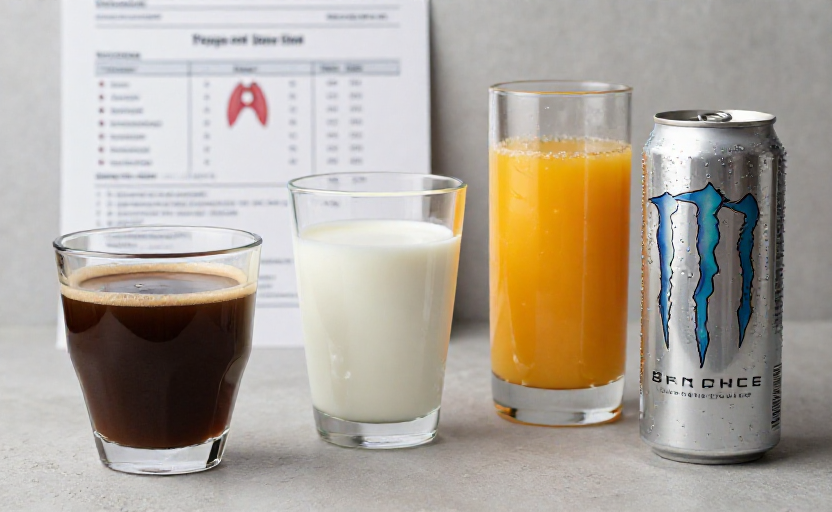
Getting accurate thyroid test results depends on more than just showing up to the lab. What you drink beforehand can temporarily skew your levels of thyroid-stimulating hormone (TSH), T3, and T4, leading to a misdiagnosis or unnecessary medication adjustments. While your doctor likely gives you basic fasting instructions, many people don't realize that certain beverages can interfere with your blood work even if you haven't eaten solid food.
Here are four drinks you should skip before a thyroid function test, along with why they matter and what you can safely reach for instead.
1. Coffee (including black coffee and espresso)
That morning cup of coffee is the most common culprit when it comes to lab interference. Even if you drink it black with no sugar or cream, coffee can throw off your thyroid panel. Caffeine stimulates your central nervous system, which may temporarily lower TSH levels. For some people, this effect can drop TSH enough that it looks like you have subclinical hyperthyroidism when your thyroid is actually functioning normally.
If you absolutely cannot face the morning without a warm drink, wait until after your blood draw. Many labs offer early appointments so you can get your test done and then enjoy your coffee within an hour or two.
2. Milk and dairy-based drinks
A glass of milk, a latte, or a protein shake made with whey can interfere with the absorption of your thyroid medication—but that’s not the only issue. For a standard thyroid function test (which does not require medication beforehand), dairy proteins can bind to certain thyroid antibodies in the lab assay, leading to falsely elevated or suppressed results.
The effect is especially pronounced in people with Hashimoto’s thyroiditis, where antibody levels are already a key diagnostic marker. Stick to plain water on test morning.
3. Orange juice and other high-sugar juices
Fruit juice may seem harmless compared to coffee, but its high sugar content causes a sharp insulin spike. Insulin can influence the conversion of T4 to T3 in peripheral tissues, potentially lowering your T3 levels during the test window. In some cases, the metabolic stress from a sugar rush also affects TSH secretion.
Even if you are not diabetic, a single glass of orange juice on an empty stomach can alter your results enough to confuse your provider. Save the juice for breakfast after your blood draw.
4. Energy drinks and caffeinated sodas
Energy drinks are a double whammy: they contain high levels of caffeine plus large amounts of sugar or artificial sweeteners. The combination can suppress TSH and raise cortisol, which further suppresses TSH and T4. Some energy drinks also contain B vitamins and taurine, which may interfere with lab reagents used in immunoassays.
Diet sodas are not a safe alternative. Artificial sweeteners like aspartame have been shown to disrupt the hypothalamic-pituitary-thyroid axis in some studies, and the phosphoric acid in colas can affect calcium levels, which matters if your doctor is also checking parathyroid function alongside the thyroid panel.
What can you drink before a thyroid test?
Plain water is always safe and recommended. Staying hydrated helps your veins make for an easier blood draw and keeps your blood volume consistent, which prevents dilution or concentration of the substances being measured. Avoid adding lemon or any flavoring, just in case the additives cause an unexpected reaction.
If you are worried about being thirsty during a prolonged fast, sip small amounts of water up to an hour before your test. Most labs consider this acceptable and it will not affect your results.
When does timing matter most?
Thyroid hormone levels follow a circadian rhythm. TSH peaks in the early morning hours (around 2–4 AM) and drops throughout the day. For the most reproducible results, thyroid function tests should ideally be done in the morning, before 9 or 10 AM, and always at roughly the same time of day for follow-up comparisons.
Combining an early morning test with a strict fast from all beverages except water gives you the clearest picture of your thyroid health.
Tip: if your doctor says you can take your levothyroxine before the test, confirm whether they mean before the blood draw or immediately after. Many endocrinologists now recommend taking your dose after the draw to avoid any interference from the medication itself.
What about herbal tea or decaf coffee?
Herbal teas are not risk-free. Some herbs, such as chamomile, can affect drug metabolism via the CYP450 enzyme system, potentially altering how quickly your body clears thyroid hormones. Decaf coffee still contains trace amounts of caffeine—enough to cause a small but measurable effect in sensitive individuals. When in doubt, stick with water.
Always follow the specific instructions your healthcare provider gives you, since some tests require more strict preparation than others. If you have an upcoming thyroid function test, take this short list seriously: skip the coffee, milk, juice, and energy drinks. Your lab results will thank you.








