
When it comes to managing blood pressure and supporting healthy circulation, what you put on your plate matters more than most people realize. While medication and exercise play crucial roles, food is the foundation—and it doesn't have to mean bland chicken and steamed broccoli. These four meals are designed by dietitians to deliver key nutrients like potassium, magnesium, nitrates, and omega-3s in ways that actually taste good and keep you satisfied.
Each meal targets specific mechanisms involved in blood pressure regulation and blood flow. From relaxing blood vessels to reducing inflammation, these recipes work with your body rather than against it. No gimmicks, no extreme restrictions—just real food that supports your cardiovascular system.
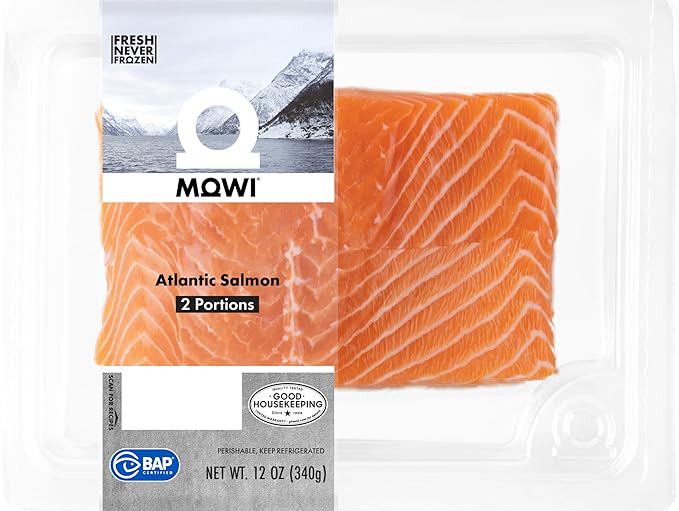
1. Salmon and Avocado Bowl with Leafy Greens
This bowl combines three powerhouse ingredients for circulation: fatty fish, avocado, and dark leafy greens. Salmon provides omega-3 fatty acids that help reduce inflammation and support the flexibility of blood vessels. Avocado contributes potassium and healthy monounsaturated fats, while greens like spinach or arugula deliver nitrates that your body converts into nitric oxide, a compound that naturally relaxes blood vessel walls.
To build this meal, start with a base of cooked quinoa or brown rice for fiber and magnesium. Top with grilled or baked salmon (aim for wild-caught when possible), half an avocado sliced, and a generous handful of fresh spinach. Add a squeeze of lemon, a drizzle of olive oil, and a pinch of sea salt. For extra flavor and anti-inflammatory benefits, sprinkle on some sesame seeds or chopped walnuts.
A dietitian tip: For the nitrate-to-nitric oxide benefit, serve the greens raw or lightly steamed. Overcooking can reduce their effectiveness.
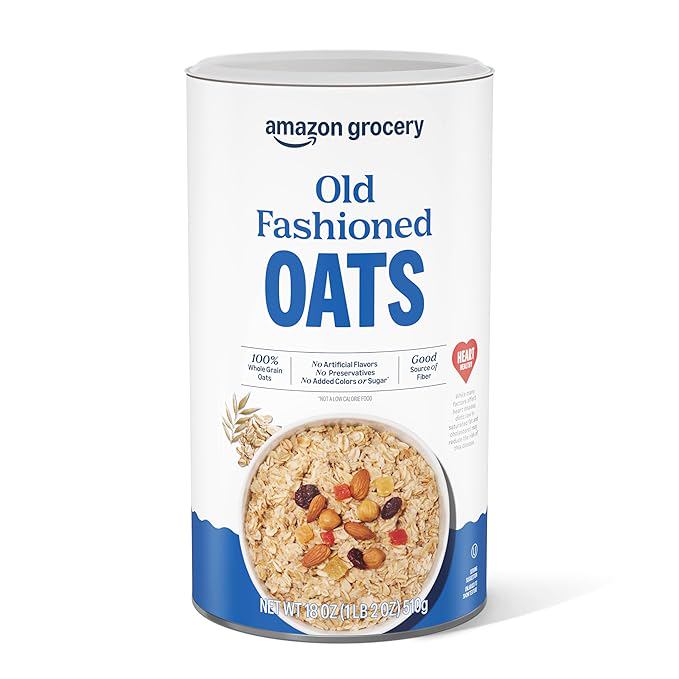
2. Oatmeal with Berries, Flaxseed, and Walnuts
Breakfast is a prime opportunity to set your blood pressure on a stable course for the day. Old-fashioned rolled oats are rich in beta-glucan, a type of soluble fiber that supports healthy cholesterol levels and helps regulate blood pressure. The combination of berries (frozen works perfectly), ground flaxseed, and walnuts adds three key components: anthocyanins from berries that improve arterial stiffness, lignans from flaxseed that support blood vessel function, and omega-3s from walnuts that reduce inflammation.
Cook your oats with water or unsweetened plant milk, then stir in a tablespoon of ground flaxseed and a handful of walnuts. Top with a cup of mixed berries—blueberries, raspberries, or strawberries. If you need sweetness, try a mashed banana or a few drops of vanilla extract rather than added sugar. A sprinkle of cinnamon adds flavor and may offer modest blood pressure benefits on its own.
3. Lentil and Vegetable Soup with Leafy Greens
Lentils are an underrated hero for heart health. They are packed with potassium, magnesium, and fiber—three nutrients that directly influence blood pressure regulation. A bowl of lentil soup also provides plant-based protein that stabilizes blood sugar, which indirectly supports vascular health by reducing inflammation associated with blood sugar spikes.
To make this meal, sauté onion, garlic, and celery in olive oil until softened. Add diced carrots, a can of diced tomatoes (no salt added), and brown or green lentils. Pour in low-sodium vegetable broth and simmer until lentils are tender. Stir in chopped kale or Swiss chard during the last five minutes of cooking. Season with cumin, smoked paprika, and black pepper. Skip the salt shaker and rely on herbs and spices for flavor—your taste buds will adjust within a week or two.
Soup's high water content also helps with hydration, which is essential for maintaining healthy blood volume and circulation.
4. Grilled Chicken with Sweet Potato, Roasted Red Peppers, and Sautéed Spinach
This balanced plate provides lean protein, complex carbohydrates, and two potassium-rich vegetables. Sweet potatoes deliver more potassium than a banana, along with fiber and vitamin C. Red bell peppers are an excellent source of vitamin C, which helps blood vessels stay flexible and supports collagen production. Spinach adds magnesium and nitrates, making this meal a triple threat for circulation.
Grill a skinless chicken breast seasoned with rosemary, garlic powder, and black pepper. Roast cubed sweet potatoes tossed in olive oil and smoked paprika until tender and caramelized. Separately, roast red bell pepper strips until slightly charred. Quickly sauté fresh spinach in olive oil with garlic—just until wilted. Assemble on a plate with the sweet potatoes and peppers as the base, chicken on top, and spinach alongside. The combination of colors isn't just aesthetic; each hue represents different phytonutrients that support cardiovascular health.
Practical tips for building circulation-friendly meals
- Use herbs and spices liberally—turmeric, ginger, garlic, cayenne, and cinnamon all have research behind their blood pressure benefits.
- Choose low-sodium or no-salt-added versions of canned goods, broth, and condiments. Most dietary sodium comes from processed foods, not your salt shaker.
- Include a source of protein, healthy fat, and fiber at every meal to stabilize blood sugar and reduce inflammatory spikes.
- Stay hydrated. Even mild dehydration can thicken blood and make it harder for your heart to pump.
- Be consistent. The benefits of these foods accumulate over weeks and months—not from a single meal.
These four meals are designed to be templates rather than rigid recipes. Swap salmon for mackerel or sardines. Use quinoa instead of oats. Try white beans in place of lentils. The core principle remains the same: combine foods that support blood vessel relaxation, reduce inflammation, and provide the minerals your body needs to regulate pressure naturally.
Food alone won't replace medical care or medication when needed, but it can dramatically reduce the amount of intervention required. If you have existing health conditions or take medications, especially blood thinners or blood pressure drugs, talk with your healthcare provider before making significant dietary changes—some foods can interact with medications.