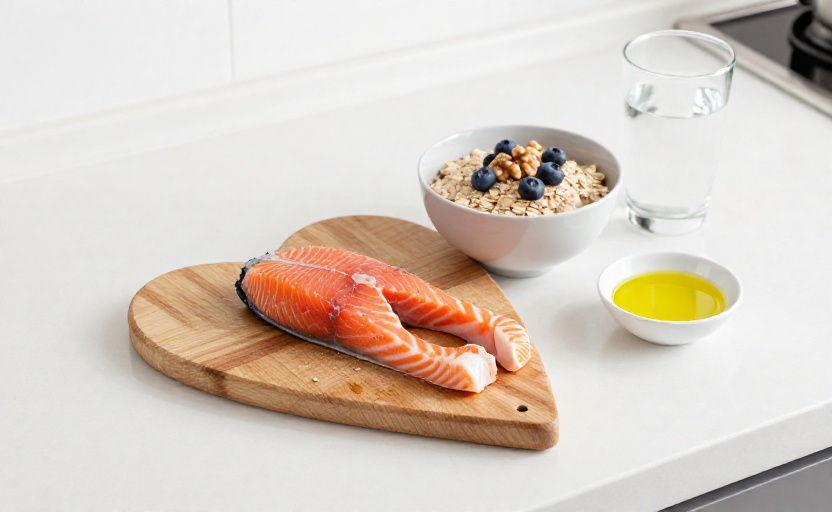
If you or a loved one is living with coronary artery disease (CAD), you already know that small daily choices can add up to real benefits. The heart is a tireless muscle, and what you put on your plate directly influences how hard it has to work. While medication and medical guidance remain essential, food can be one of your most powerful tools for managing symptoms, slowing disease progression, and improving quality of life.
Here are four focused nutrition changes—rooted in evidence and designed to be sustainable—that can support your heart health and help you feel more in control.
1. Shift Your Fat Profile: Cut Saturated Fat, Embrace Unsaturated Fats
Not all fat is the enemy. In fact, the type of fat you eat matters more than the total amount. For CAD, the goal is to reduce saturated fat—found in red meat, butter, full-fat dairy, and fried foods—because it can raise LDL cholesterol and contribute to plaque buildup. Replace it with unsaturated fats that support blood vessel health and reduce inflammation.
Practical swaps:
- Cook with olive or avocado oil instead of butter or coconut oil.
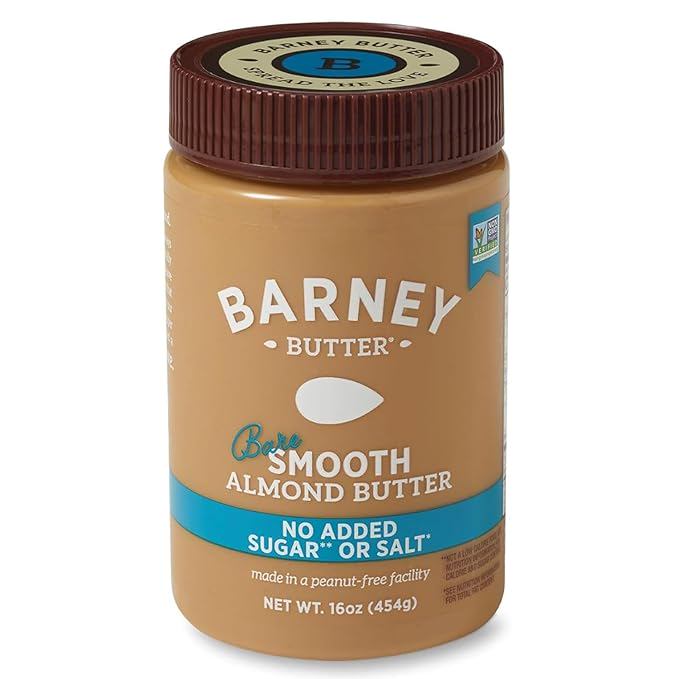
- Snack on a handful of walnuts or almonds rather than chips or cheese.
- Add avocado slices to sandwiches and salads for creaminess without the saturated fat.
- Eat fatty fish like salmon, mackerel, or sardines twice a week for omega-3s.
2. Pump Up Soluble Fiber to Lower Cholesterol Naturally
Soluble fiber acts like a sponge in your digestive tract, binding to cholesterol and helping your body excrete it before it enters your bloodstream. This type of fiber can directly lower LDL cholesterol, a major driver of CAD.
Where to find it:
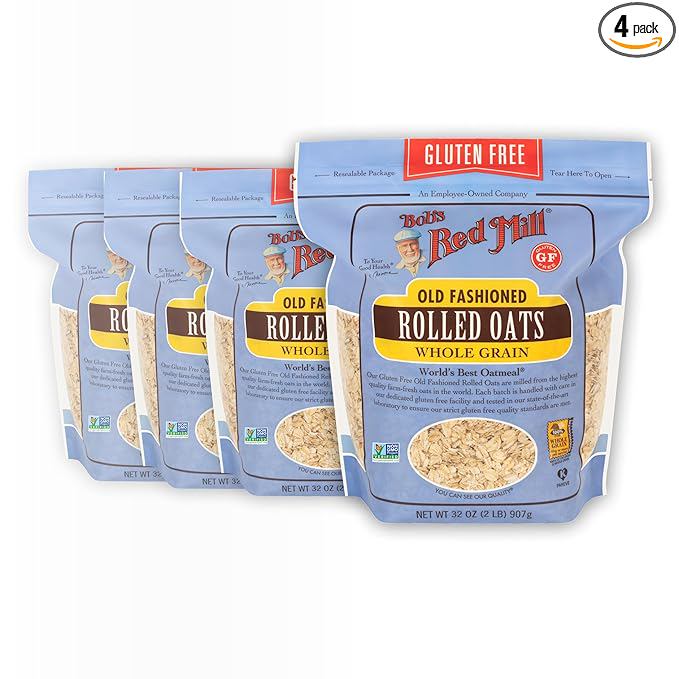
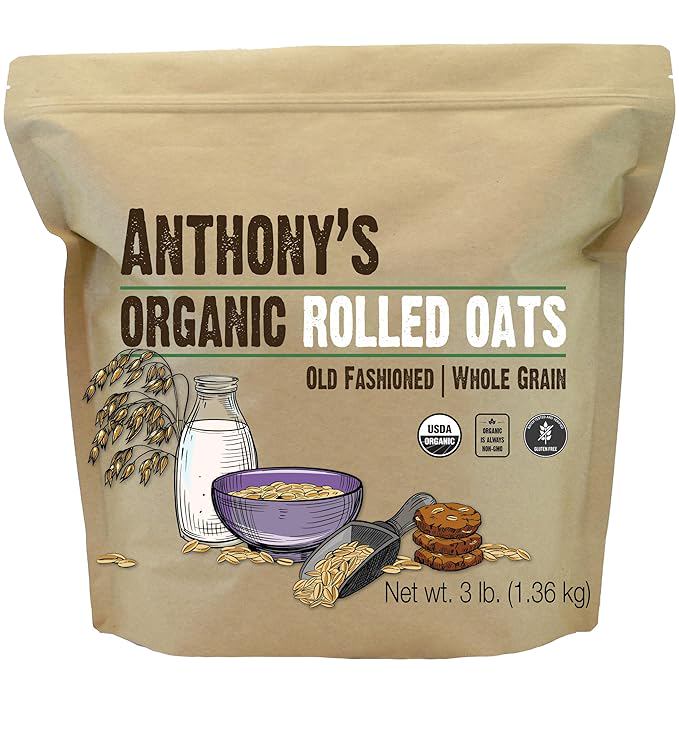
- Oats and oat bran
- Barley and other whole grains
- Beans, lentils, and chickpeas
- Apples, citrus fruits, and berries
- Psyllium husk (can be added to smoothies or oatmeal)
Aim for at least 10 grams of soluble fiber daily—that’s about a bowl of oatmeal with an apple and a half-cup of beans at lunch.
3. Slash Sodium Without Losing Flavor
Excess sodium raises blood pressure, forcing your heart to pump harder against narrowed arteries. For someone with CAD, that added strain can trigger chest pain (angina) or shortness of breath. Many people think they just need to put down the salt shaker, but most sodium comes from packaged and restaurant foods.
Ways to cut back:
- Read labels: choose items with less than 140 mg sodium per serving.
- Rinse canned beans and vegetables to remove up to 40% of added salt.
- Season with herbs, spices, garlic, citrus juice, or vinegar—not salt.
- Build meals around whole foods: fresh produce, unprocessed meats, and grains you cook yourself.
Tip: Try a “salt-free week” to reset your taste buds. After seven days, you’ll likely find that foods you once enjoyed now taste overly salty.
4. Add Potassium-Rich Foods for Better Blood Pressure Control
Potassium helps counterbalance the effects of sodium and relaxes blood vessel walls. Many people with CAD don’t get enough. Increasing potassium-rich foods—rather than supplements—is the safest and most effective approach.
Top sources:
- Bananas, oranges, and cantaloupe
- Sweet potatoes and white potatoes (eat the skin)
- Spinach, Swiss chard, and tomatoes
- Avocado, yogurt (plain, low-fat), and beans
If you have kidney issues or take certain blood pressure medications, talk to your doctor before significantly boosting potassium intake.
These four changes work best as a team. You don’t need to make them all overnight. Start with one—say, switching to olive oil and adding fish twice a week. When that feels manageable, layer in the others. Small, consistent adjustments can lead to meaningful improvements in your cholesterol numbers, blood pressure, and overall heart function.