When your thyroid is out of balance, your hair often bears the brunt of it. Thinning strands, excessive shedding, and a loss of volume can feel alarming, especially when you are already managing the fatigue and brain fog that often accompany a thyroid condition. It is natural to want to fight back with supplements, special shampoos, and aggressive routines. However, many well-intentioned efforts backfire. Understanding the specific pitfalls that stall regrowth is just as important as knowing what treatments to pursue. Below are four common mistakes people make when trying to stop thyroid-related hair loss, along with smarter approaches that respect your body's biochemical realities.
Mistake 1: Loading Up on High-Dose Biotin
Biotin is often hyped as the ultimate hair savior. While it is true that biotin plays a role in keratin production, taking massive doses without medical guidance can create a serious diagnostic problem. The typical lab test for thyroid function relies on a biotin-streptavidin binding system. High levels of biotin in your blood can interfere with these assays, leading to falsely low TSH or falsely high T3 and T4 results. Your doctor might see these inaccurate numbers and adjust your medication incorrectly—potentially making your hair loss worse.
If you are already on thyroid medication and your hair is still thinning, the issue is rarely a biotin deficiency. Instead, focus on checking your ferritin (iron storage), vitamin D, and zinc levels. These nutrients have a direct, well-documented link to hair follicle cycling. If you do choose to take a biotin supplement, inform your lab ahead of time. Many facilities now recommend stopping biotin for 72 hours before a blood draw.
Smart alternative: Prioritize a blood panel to identify real deficiencies rather than self-prescribing high-dose biotin.
Mistake 2: Assuming Normal TSH Means Optimal Thyroid Function
Many people rely solely on their TSH (thyroid-stimulating hormone) result to gauge their thyroid health. While a normal TSH range (typically 0.5–4.5 mIU/L) signals that your pituitary gland is sending the right signal, it does not tell you how well your tissues are converting T4 into the active T3 hormone. Some individuals maintain a normal TSH but still experience persistent hair shedding because their free T3 levels are low or their reverse T3 is elevated. This can happen even if you are taking levothyroxine (T4-only medication).
Why this matters for your hair: Hair follicles are highly sensitive to T3 availability. If your body cannot convert enough T4 into active T3 at the cellular level, the hair growth cycle stalls, and telogen effluvium (shedding) persists. Pushing your doctor to check free T3, free T4, and reverse T3—along with thyroid antibodies—can reveal a conversion problem that a single TSH number misses.
- Ask for a full thyroid panel, not just TSH.
- Track symptoms like cold hands, low body temperature, and thinning outer eyebrows alongside lab work.
- Consider a T3-containing medication (like Armour Thyroid or liothyronine) only under close medical supervision.
Mistake 3: Ignoring Autoimmune Triggers (Hashimoto's Thyroiditis)
The most common cause of hypothyroidism in iodine-sufficient regions is Hashimoto's thyroiditis, an autoimmune condition where the immune system attacks the thyroid gland. Hair loss in Hashimoto's is not purely a hormone deficiency problem—it is an inflammatory process. Treating hair loss by only supplementing thyroid hormone while ignoring the underlying autoimmune response is a missed opportunity.
Inflammation directly impacts the hair follicle environment. Elevated thyroid peroxidase antibodies (TPO) and thyroglobulin antibodies (TgAb) correlate with higher rates of diffuse hair thinning and even scarring alopecia in some cases. Managing Hashimoto's often requires lifestyle interventions that calm the immune system, such as identifying food sensitivities (gluten is a common trigger for those with Hashimoto's), managing stress cortisol levels, and ensuring adequate selenium intake (50–100 mcg daily from food like Brazil nuts or a quality supplement).
Note: Selenium is essential for thyroid hormone conversion, but do not exceed 200 mcg daily from supplements without a doctor's guidance, as high doses can be toxic.
Mistake 4: Over-Washing or Under-Washing Based on Fear
It is easy to fall into the trap of thinking that washing less will preserve fragile hair. While harsh shampoos with sulfates and parabens can dry out the scalp, avoiding washing altogether creates a different problem. A clean scalp is crucial for healthy hair growth. When you go too long between washes, sebum, dead skin cells, and product buildup can clog hair follicles and create a low-grade inflammatory environment. This can worsen shedding and slow regrowth.
On the other hand, washing too frequently or using very hot water can strip the scalp of its natural protective barrier, leading to dryness and breakage. The goal is a balanced routine that supports a healthy microbiome on your scalp.
- Wash with lukewarm water 2–3 times per week using a gentle, sulfate-free shampoo.
- Use a silicone-free conditioner on the mid-lengths and ends, not directly on the scalp.
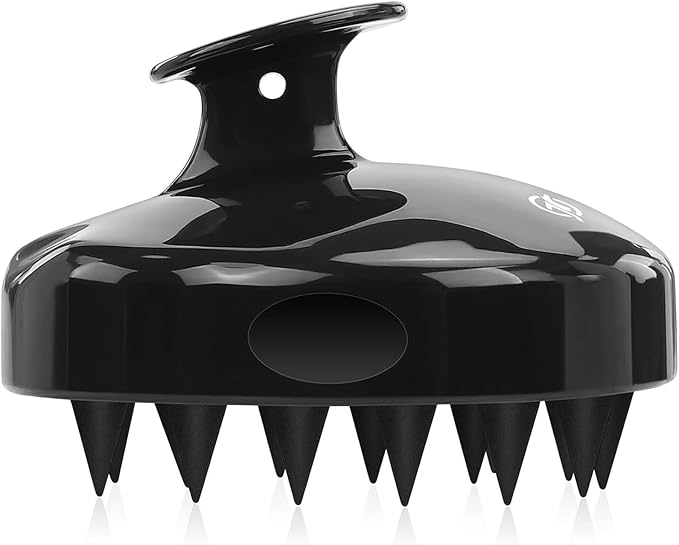
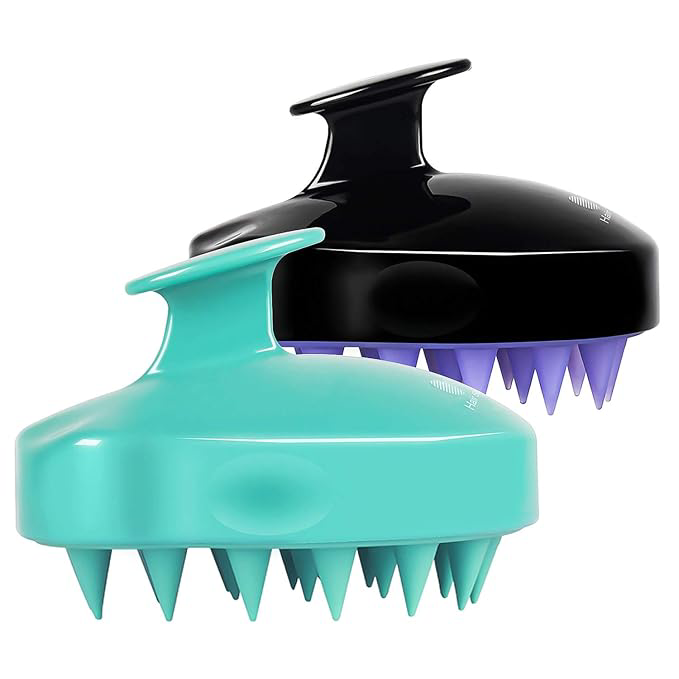
- Consider a weekly scalp massage with a few drops of rosemary oil diluted in a carrier oil (like jojoba) to stimulate circulation—but do this before washing, not after.
Key takeaway for scalp care: Treat your scalp like you would treat your face—keep it clean, balanced, and free of inflammation.
Stopping thyroid-related hair loss requires patience. Hair grows in cycles, and it can take three to six months for changes in your thyroid management or nutrient status to reflect in new growth. Avoid the temptation to chase quick fixes. Work with a healthcare provider who understands the interplay between thyroid hormones, autoimmunity, and micronutrient status. Small, consistent adjustments—rather than dramatic protocols—often yield the most sustainable results.