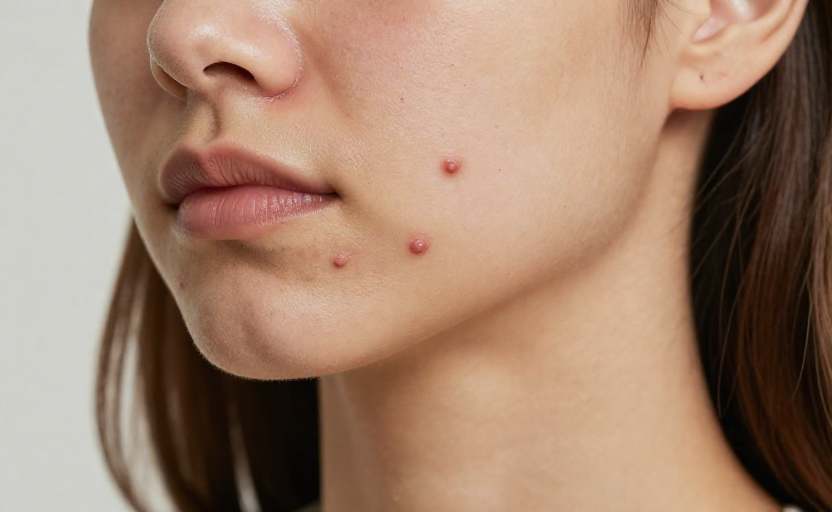
Everyone gets a pimple now and then. But if you live with Polycystic Ovary Syndrome (PCOS), you know the difference between a standard breakout and the kind of skin distress that signals something deeper. The acne that comes with PCOS isn't just a cosmetic nuisance—it's often a direct reflection of your internal hormonal and metabolic environment.
While over-the-counter cleansers might handle a clogged pore, they rarely touch the kind of acne that stems from hormonal imbalance. Learning to spot the difference between a typical breakout and a symptom that needs a more strategic approach is key. Here are three clear warning signs that your acne is directly tied to PCOS, and warrants a deeper look beyond the surface.
1. It's Stubbornly Inflamed and Deep
Not all pimples are created equal. Standard breakouts usually sit on the surface—think whiteheads and blackheads that resolve within a few days. PCOS acne, however, tends to be inflammatory. Look for large, red, tender bumps that never quite come to a head. These are often cystic lesions that live deep under the skin.
The tell: If your breakouts consistently feel painful or look like angry red nodules that last a week or more, you are likely dealing with hormonal inflammation, not just a dirty pore.
This deep inflammation is driven by excess androgens (like testosterone), which are a hallmark of PCOS. These hormones ramp up your skin's oil production while also changing the chemical makeup of that oil, making it thicker and more irritating to the follicle wall. The result is a deep, painful cyst that is resistant to typical spot treatments.
2. It Clusters on Your Jawline and Neck
Location matters in acne assessment. Breakouts that are confined to the T-zone (forehead, nose, and chin) are often related to stress or bacteria. PCOS acne, however, has a signature distribution: the lower third of the face. This includes the jawline, chin, and even creeping down onto the neck.
This specific pattern is a classic sign of hormonal influence. The hair follicles in these areas have a higher concentration of androgen receptors. When your body is producing too much testosterone or other androgens, these follicles react by producing excess sebum and becoming inflamed. If your acne map looks like a line from ear to chin, it's a strong clue that your hormones are driving the process.
Additionally, you might notice acne spreading to your chest and upper back. While this can happen with other types of acne, it is far more common in PCOS-related cases because the sebaceous glands throughout the torso are also sensitive to androgen fluctuations.
3. It Accompanies Other PCOS Skin Clues
Acne that stands alone is one thing. But when it comes in a cluster of other skin changes, the link to PCOS becomes much harder to ignore. Pay attention to the skin on the rest of your body. If you notice any of the following alongside deep, cystic jawline breakouts, you are looking at a syndrome, not just an complexion issue:
- Dark, velvety patches: Known as acanthosis nigricans, this often appears in skin folds like the back of the neck, armpits, or groin. It's a sign of high insulin levels, which frequently drives higher androgen production and worse acne.
- Excess hair growth: Hirsutism—unwanted coarse hair on the face, chest, or stomach—is a direct result of androgen excess. If you are shaving or waxing more while struggling with cystic acne, the root cause is likely high androgens.
- Thinning hair on your scalp: While hair grows where you don't want it, it may also be shedding from your head. This pattern of hair loss (androgenic alopecia) is another sign that androgens are affecting your hair follicles negatively.
What to Do Next If This Sounds Like You
Recognizing these signs is the first step. The second is adjusting your approach. This is not a situation where scrubbing harder or using more benzoyl peroxide will solve the problem. Because the root is internal, the solution often requires a comprehensive strategy that addresses hormone regulation and insulin sensitivity.
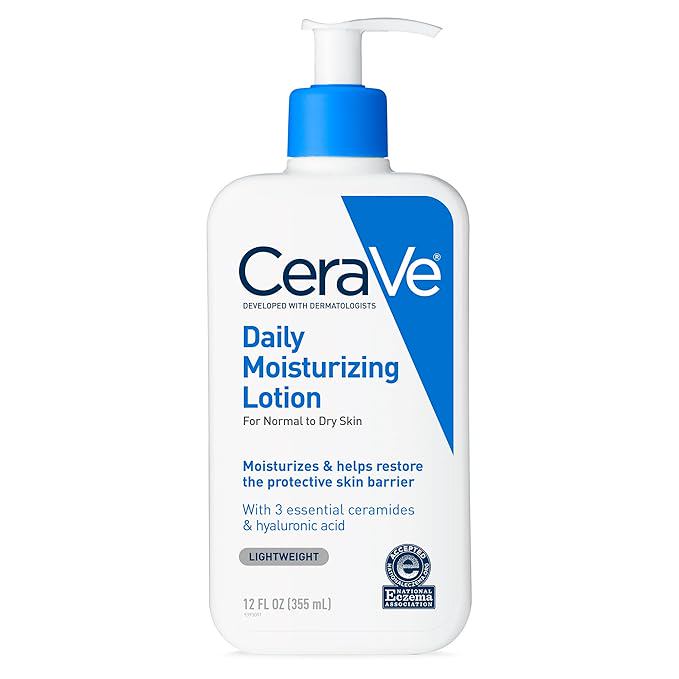
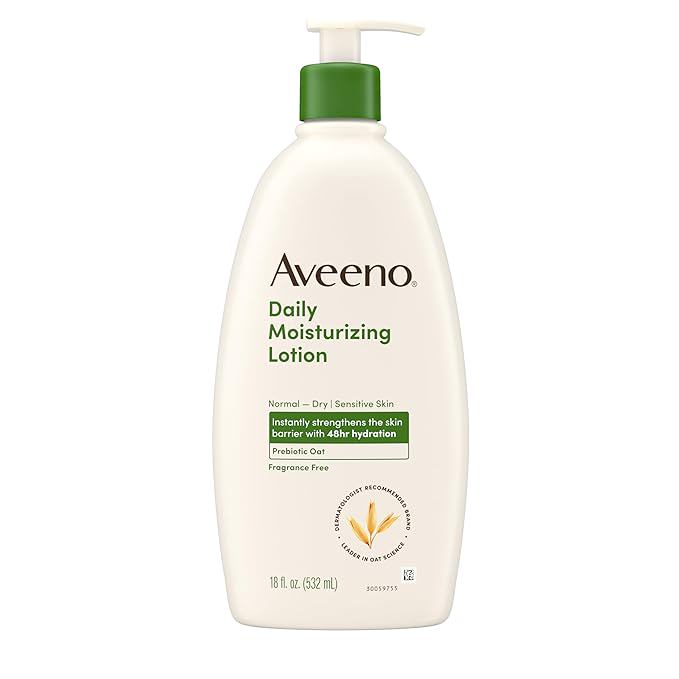
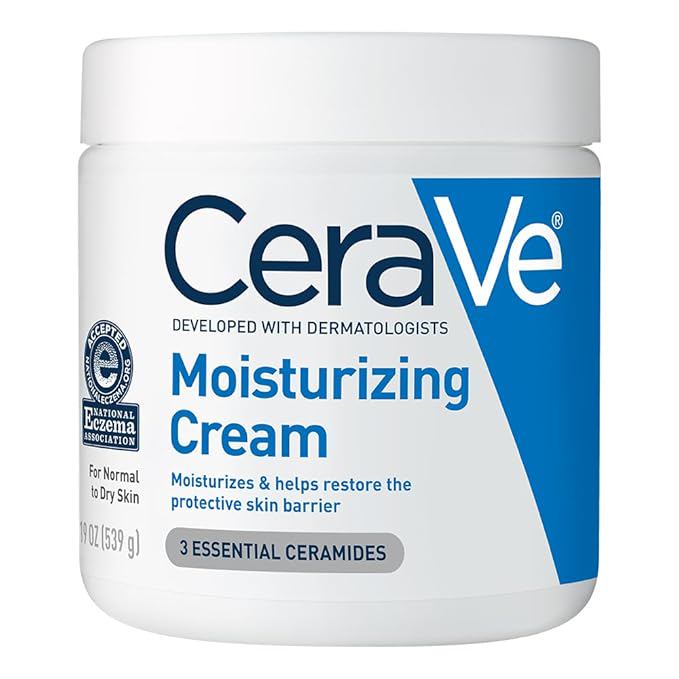
Focus on gentle skin care. Over-treating inflamed cystic acne will only break the skin barrier, making redness and irritation worse. Stick to a simplified, non-comedogenic routine. A gentle cleanser and a moisturizer that supports barrier repair are foundational.
Consider dietary shifts. Since insulin spikes can worsen androgen production, many women find relief by lowering their blood sugar load. This doesn't mean extreme dieting, but focusing on high-fiber vegetables, lean protein, and healthy fats while reducing refined sugar and processed carbohydrates.
Talk to your doctor about targeted support. Inositol supplements are one of the most researched tools for PCOS, and they work by improving how the body uses insulin—which can, in turn, reduce androgen levels and calm acne. Other strategies such as spearmint tea have shown promise in lowering free testosterone. Always discuss these options with a healthcare provider to see what fits your specific health profile.
The bottom line: Your skin is a reporter for what's happening inside your body. When acne is deep, located on the jawline, and surrounded by other hormonal skin changes, it is time to treat the engine—not just the dashboard warning light.