
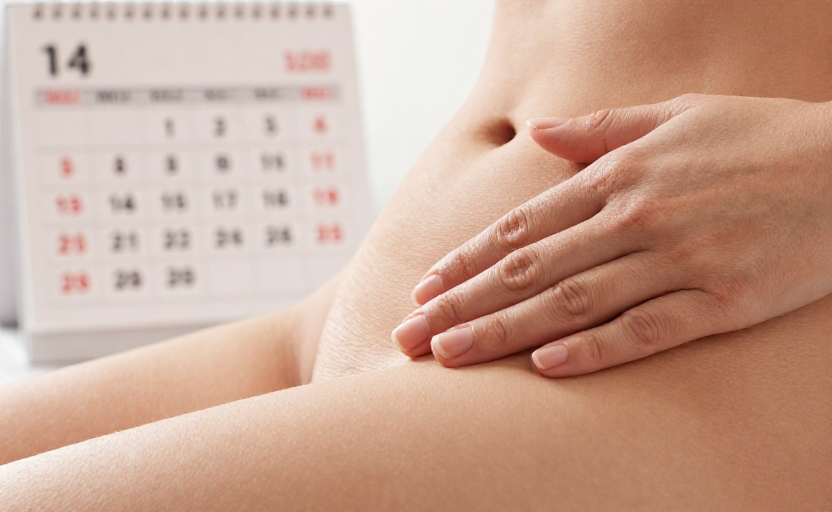
Ovulation pain—known medically as mittelschmerz—is a twinge or cramp some people feel around the middle of their menstrual cycle, when an ovary releases an egg. For many, it's a mild, short-lived discomfort that passes without worry. But sometimes that same pelvic ache can point to something more than a normal monthly event. Knowing when ovulation pain is a sign that you need medical attention can make a real difference in protecting your reproductive health.
Below are three red flags that suggest your ovulation pain may be linked to a deeper issue, not just a routine part of your cycle.
1. The pain is severe or lasts longer than a day or two
Typical ovulation pain is brief—minutes to a few hours—and rarely severe. You might feel a dull ache or a sharp pinprick on one side of the lower abdomen. If your pain is intense enough to interrupt daily activities, keeps you from sleeping, or lasts more than 24 to 48 hours, it’s worth investigating. Conditions such as ovarian cysts, endometriosis, or pelvic inflammatory disease can cause longer-lasting, more intense pain that gets mistaken for ordinary mittelschmerz. An ultrasound or pelvic exam can help rule out these underlying causes.
2. You have other symptoms alongside the pain
Ovulation pain on its own is not typically accompanied by fever, nausea, vomiting, heavy bleeding, or pain during urination or bowel movements. If you experience any of these concurrent symptoms, the issue may be something other than ovulation. For example, a ruptured ovarian cyst can cause sudden, sharp pain plus spotting or a feeling of pressure. Endometriosis often brings chronic pelvic pain, painful periods, and pain with intercourse. If your ovulation pain comes with a fever or chills, that could signal an infection such as pelvic inflammatory disease. Any combination of pelvic pain plus unusual symptoms warrants a call to your healthcare provider.
3. The pain consistently occurs on the same side every cycle
Although many people ovulate from alternating ovaries month to month, it’s possible to ovulate from the same side repeatedly. Still, if you consistently feel pain on the exact same side for several cycles in a row—and especially if the pain is getting worse—it could indicate an ovarian cyst, an endometrioma (a type of cyst linked to endometriosis), or another structural issue on that ovary. A persistent one-sided pattern should not be dismissed as just normal mittelschmerz.
When to see a doctor
If any of the above warning signs sound familiar, make an appointment with a gynecologist or primary care provider. A proper evaluation usually includes a pelvic exam, imaging (often an ultrasound), and a review of your cycle symptoms. Catching conditions early—whether they are ovarian cysts, endometriosis, or an infection—can prevent complications and improve your quality of life.
Remember, your menstrual cycle offers valuable information about your overall health. Paying attention to changes in ovulation pain is one way to listen to what your body is telling you. You know your body best: if something feels off, trust that instinct and seek care.