Ovarian cysts are incredibly common, and for many people, they come and go with little more than a whisper. Most are functional cysts—a normal part of the menstrual cycle—and resolve on their own without any intervention. This knowledge can be comforting, but it also creates a gray area. When is a cyst just a passing guest, and when could it be signaling something that needs a professional eye?
Listening to your body is a form of self-care, and part of that is knowing which whispers warrant a conversation with your doctor. While many cysts are harmless, certain symptoms can indicate complications like rupture, torsion, or rapid growth that require medical evaluation. The goal isn't to foster anxiety but to empower you with clear, practical knowledge so you can navigate your health with confidence.
Sign 1: The Pain Is Sudden, Severe, or Disruptive
Some mild, dull aching or pressure in the lower abdomen can accompany a cyst, especially around ovulation or your period. This is often manageable. The pain that raises a flag is different in character and intensity.
Think about pain that:
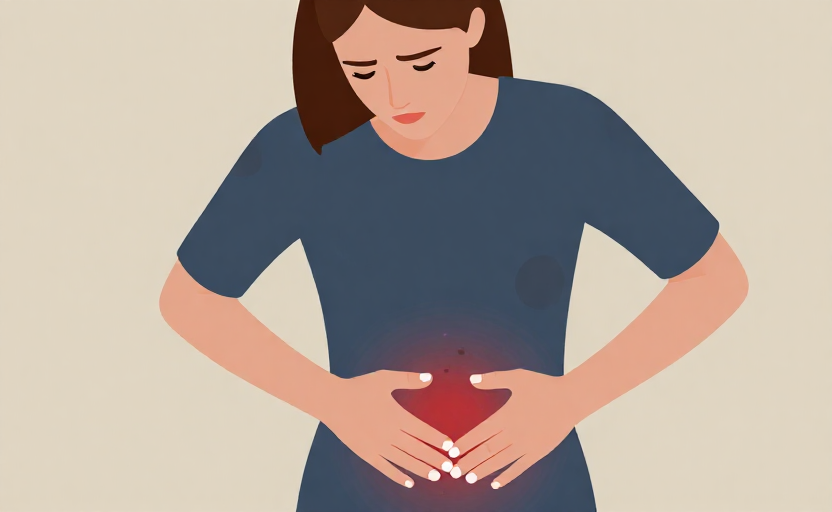
- Strikes abruptly and sharply: A sudden, stabbing pain in your pelvis or lower abdomen can be a sign of a cyst rupturing. While some small ruptures cause minimal symptoms, a larger one can lead to significant internal irritation and bleeding.
- Is severe and persistent: Pain that doesn't ease up with rest, over-the-counter pain relievers, or a change in position deserves attention. It shouldn't be dismissed as just a "bad cramp" if it's outside your normal experience.
- Interferes with daily life: If the pain is preventing you from walking comfortably, working, or sleeping, it's more than a minor nuisance. Pain that causes nausea, lightheadedness, or vomiting is a particularly strong signal that something may be wrong.
A good rule of thumb: Pain that feels dramatically different from your typical menstrual discomfort or that significantly limits your activity is worth discussing with a healthcare provider.
Sign 2: You Experience Fullness, Pressure, or Visible Changes
Cysts are fluid-filled sacs. When they grow larger, they take up space. This physical presence can create sensations and even visible changes that are hard to ignore.
Be mindful of a feeling of fullness, heaviness, or bloating in your pelvis or lower abdomen that doesn't come and go with your digestive cycle. You might feel pressure on your bladder, leading to a frequent need to urinate, or pressure on your rectum. In some cases, a very large cyst can even cause a noticeable swelling or enlargement of the abdomen.
This isn't about temporary bloating after a meal. It's a persistent sensation of something occupying space, often accompanied by a feeling of being uncomfortably full quickly when you eat, even if you haven't eaten much.
Sign 3: Your Cycle Becomes Unpredictable or Painful
Our menstrual cycles are a vital sign. While ovarian cysts often don't disrupt the cycle, some types—like those associated with conditions like PCOS or endometriomas (cysts from endometriosis)—can cause noticeable changes.
Pay attention to patterns like:
- Markedly irregular periods: Sudden, unexplained changes in your cycle length, or missed periods when pregnancy isn't a factor.
- Unusually painful periods (dysmenorrhea): While period pain is common, a significant increase in severity, especially if centered on one side, can be related to a cyst.
- Pain during intercourse (dyspareunia): Deep pain during or after sex can sometimes be linked to the presence of ovarian cysts, particularly if they are located in a certain position.
- Unexpected spotting or bleeding between periods.
These changes, especially if they are new or worsening, are your body's way of indicating a shift in your hormonal or pelvic environment that a doctor can help you understand.
When to Seek Immediate Care
Some symptoms constitute a medical emergency and require immediate attention at an urgent care center or emergency room. Do not wait to see if they pass.
Seek immediate care if you experience:
- Sudden, severe abdominal or pelvic pain.
- Pain accompanied by fever and vomiting.
- Rapid breathing, feeling faint, or signs of shock (like cold, clammy skin). This could indicate significant internal bleeding from a ruptured cyst.
- Severe dizziness or weakness.
What to Expect When You See a Doctor
If you're experiencing any of the warning signs, making an appointment with your gynecologist or primary care provider is a proactive step. They will likely start with a detailed conversation about your symptoms and medical history, followed by a pelvic exam.
The cornerstone of diagnosing and evaluating ovarian cysts is imaging, typically a transvaginal ultrasound. This test allows the doctor to see the cyst's size, location, and composition—whether it appears simple (fluid-filled) or complex (with solid areas or separations). This information, combined with your symptoms, guides the next steps.
Management is highly individualized. For a simple, small cyst without concerning symptoms, the recommendation is often watchful waiting—repeating the ultrasound in a few months to see if it has resolved. For cysts that are large, complex, causing significant symptoms, or not going away, further discussion about treatment options, which may include hormonal birth control to prevent new cysts or surgery, will be necessary.
Your awareness is the first and most important step. Noticing changes and advocating for your own care ensures that if attention is needed, you can get it promptly and effectively.