
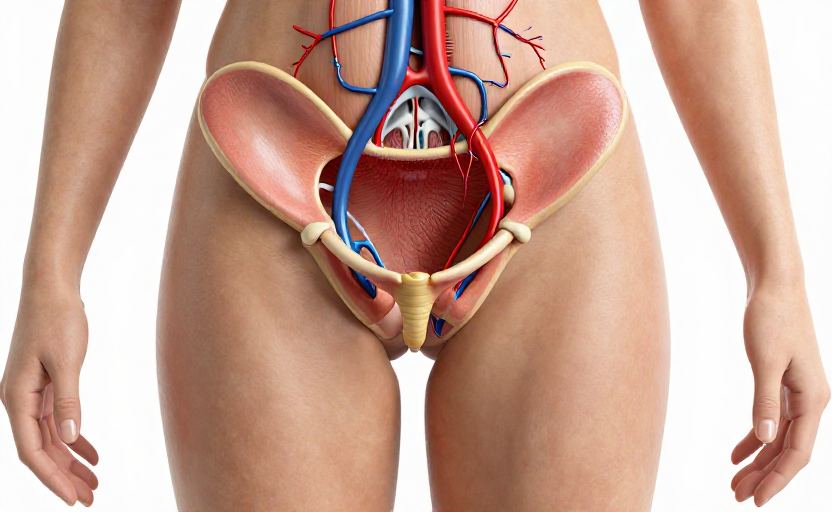
When orgasm feels out of reach, many women focus on technique, relationship dynamics, or stress levels. But there is another factor that often goes overlooked: blood flow. Healthy circulation is essential for sexual arousal and climax. Without adequate blood flow to the pelvic region, the tissues that need to engorge and swell during arousal simply cannot do their job. If you have been struggling with orgasm difficulties and nothing else seems to explain it, your vascular health might be the missing piece.
Blood flow issues can interfere with clitoral engorgement, vaginal lubrication, and the sensitivity that makes orgasm possible. The signs are often subtle at first, but once you know what to look for, the pattern becomes clearer. Here are three warning signs that your orgasm difficulties could stem from a blood flow problem.
1. You feel little to no clitoral or genital swelling during arousal
During sexual excitement, blood vessels in the genital area widen, allowing more blood to rush into the clitoris and labia. This is what causes the clitoris to become firm and the labia to swell. If you notice that you remain physically "flat" despite feeling mentally turned on, reduced blood flow could be the reason. Some women describe it as a disconnect between mind and body: the desire is there, but the physical response is muted. Over time, this can make orgasm feel impossible because the clitoris never reaches the level of engorgement needed for peak sensitivity.
2. Your vaginal lubrication is minimal or inconsistent
Lubrication is another process that depends on strong circulation. When blood flow to the vagina is robust, the vaginal walls produce moisture that makes sex comfortable and pleasurable. If you find yourself consistently dry even during prolonged foreplay or when you feel aroused, poor blood flow may be interfering. This sign is easy to dismiss as a need for more foreplay or water-based lubricant, but if the pattern persists regardless of stimulation, it is worth considering whether circulation is the underlying issue. The same blood vessels that supply the clitoris also support the glands that produce natural lubrication.
3. Orgasm takes much longer than it used to — or stops happening altogether
Many women experience a gradual change in how easily they reach orgasm. What once happened reliably may now require intense, prolonged effort — or may not happen at all. This change can be gradual, so it is easy to attribute to aging, stress, or changes in relationship dynamics. However, declining circulation affects the nerves and muscles involved in the orgasmic reflex. When tissues are not fully engorged, nerve endings are less responsive, and the muscle contractions that create the sensation of climax may be weaker or absent. If your ability to orgasm has noticeably decreased over several months with no clear emotional or relational cause, blood flow deserves a closer look.
What can affect blood flow to the pelvic area?
Several lifestyle factors and health conditions can compromise circulation in ways that impact sexual response. Sedentary habits, smoking, high blood pressure, and diabetes are among the most common culprits. Even prolonged sitting during the workday can reduce blood flow to the pelvic region over time. Hormonal changes — including those related to menopause, birth control, or thyroid disorders — also influence vascular function.
A 2019 review in the journal Sexual Medicine Reviews highlighted that vascular risk factors such as hypertension, dyslipidemia, and metabolic syndrome are strongly associated with female sexual dysfunction, particularly difficulties with arousal and orgasm.
It is worth noting that prescription medications can also play a role. Certain antidepressants, blood pressure medications, and antihistamines may reduce circulation or alter nerve signaling. If you started a new medication around the same time your sexual response changed, that connection is worth discussing with your healthcare provider.
When to talk to a doctor
If these warning signs resonate with you, the next step is not to diagnose yourself but to start a conversation with a medical professional. A primary care provider, gynecologist, or a specialist in sexual medicine can evaluate your circulation, check for underlying conditions, and offer guidance tailored to your health profile. Blood work, blood pressure monitoring, and a discussion of your symptoms can uncover issues that are treatable.
In many cases, improving overall cardiovascular health through regular movement, a balanced diet, stress management, and adequate sleep can positively affect sexual response. Pelvic floor physical therapy and specific exercises that encourage blood flow to the genitals — such as certain yoga poses or Kegel routines — may also help. But none of this should replace a professional evaluation, especially if you have other risk factors like heart disease or diabetes.
The connection between circulation and orgasm is not always obvious, but it is physiologically fundamental. If your body is not responding the way it once did, blood flow could be the quiet variable that changes everything.