Your thyroid is a small, butterfly-shaped gland in your neck that punches well above its weight. It produces hormones that govern your metabolism, energy, heart rate, and body temperature. But sometimes, the very system designed to protect you — your immune system — can mistake thyroid tissue for an invader and begin to attack it. This autoimmune process is most commonly known as Hashimoto's thyroiditis, and it is the leading cause of hypothyroidism in the United States.
The tricky part is that the attack often unfolds slowly, over months or even years. By the time the thyroid is noticeably damaged, you may have been living with vague symptoms that were easy to dismiss. Learning to recognize the early warning signs can help you seek testing and support before the condition takes a heavy toll. Below are three distinct signals that your immune system may be targeting your thyroid.
1. Unexplained fatigue that won't lift
Everyone feels tired sometimes, but the fatigue linked to autoimmune thyroiditis is different. It is a deep, bone-level exhaustion that persists even after a full night's sleep. You might wake up feeling as if you never rested, struggle to get through the afternoon without a nap, or find that simple errands leave you completely drained.
This happens because thyroid hormones are the body's metabolic throttle. When your immune system gradually destroys thyroid cells, hormone production drops. Your cells don't get the signal to produce energy efficiently, and your entire system slows down. Unlike ordinary tiredness, this fatigue doesn't respond to caffeine or a good night's rest. If you've been sleeping enough but still feel like you're running on empty, it is worth considering your thyroid.
A quick check: Look at your neck just below your Adam's apple. If it appears fuller or feels tender, that could indicate the gland is enlarged (a goiter) or inflamed — both red flags for autoimmune activity.
2. Unexplained weight gain or difficulty losing weight
Weight gain that happens without a change in diet or activity is one of the most common — and frustrating — signs of a slowing thyroid. When thyroid hormone levels fall, your basal metabolic rate drops. Your body burns fewer calories at rest, so the same eating habits that once maintained your weight may now cause gradual gain.
This is not about willpower. Many people with Hashimoto's describe eating carefully and exercising regularly, yet the scale keeps creeping upward. The weight gain is often modest — five to fifteen pounds — but it can be stubborn. It may also come with water retention and puffiness, especially around the face and eyes. If you are gaining weight despite your best efforts, and you also feel cold when others are comfortable, add thyroid testing to your list.
3. Cold intolerance and persistently low body temperature
Feeling chilly when everyone else is fine is a classic sign of hypothyroidism. Your body's thermostat is run by thyroid hormone. When levels dip, your internal heating system turns down. You may need extra layers in a room that feels warm to others, or you may find that your hands and feet stay cold even under blankets.
Some people notice that their body temperature runs consistently below 97.6°F (the lower end of normal). A low basal temperature, especially in the morning before you get out of bed, can be a clue that your thyroid is underactive. This symptom often overlaps with the fatigue and weight changes mentioned above, forming a cluster that points squarely toward the thyroid.
What to do if these signs sound familiar
Recognizing the warning signs is a valuable first step, but it is not a diagnosis. If you have one or more of these symptoms persistently, consider discussing them with a healthcare provider. A simple blood test can measure your thyroid-stimulating hormone (TSH) and thyroid antibodies — specifically thyroid peroxidase (TPO) antibodies — which are present in autoimmune thyroiditis.
It is also important to note that autoimmune thyroid disease can sometimes cause a temporary overactive phase (hyperthyroidism) before settling into underactivity. Symptoms like anxiety, rapid heartbeat, and unintentional weight loss can precede the more classic hypothyroid signs. However, for most people, the slow descent into low thyroid function produces the three clues outlined above.
Lifestyle factors that may support thyroid health
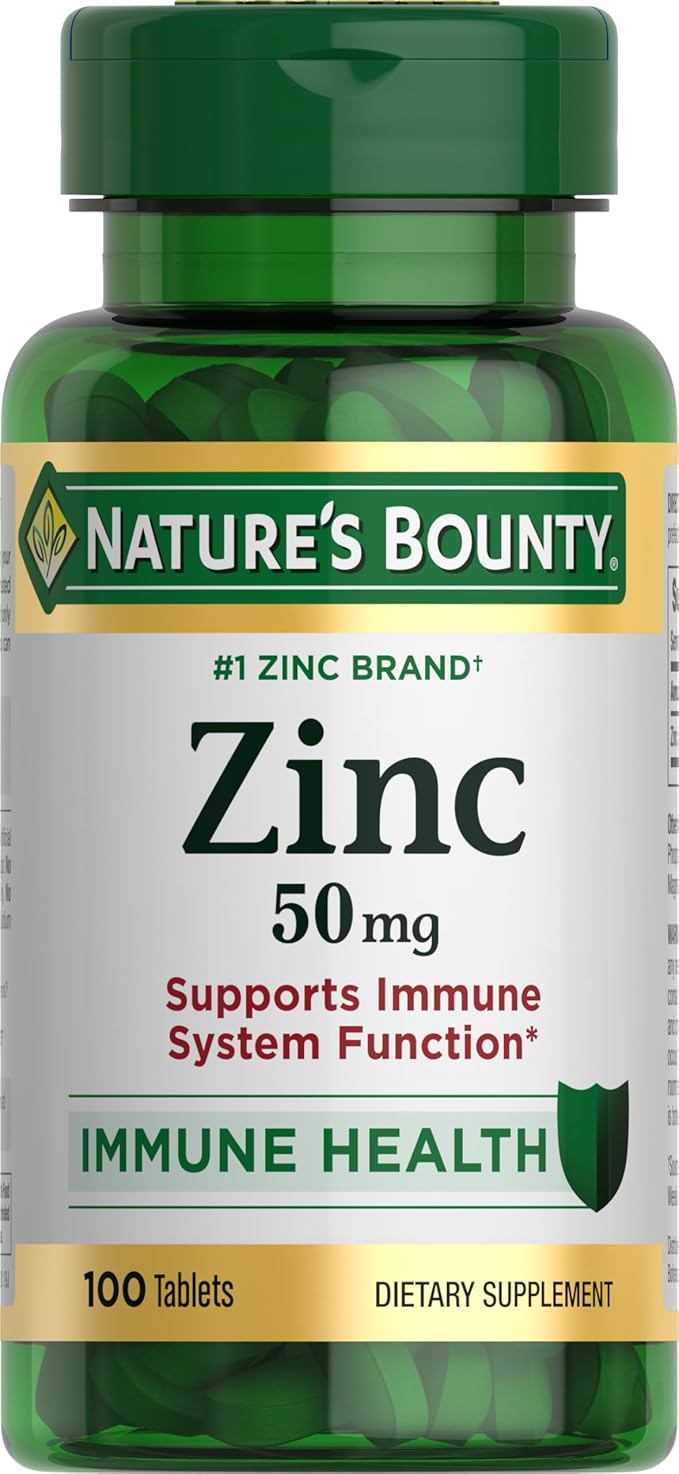
While medication is the conventional treatment for Hashimoto's hypothyroidism, some people find that certain dietary and lifestyle adjustments help them feel better alongside medical care. These include ensuring adequate intake of selenium (found in Brazil nuts, tuna, and eggs) and zinc (found in pumpkin seeds, chickpeas, and beef), which support thyroid hormone activation. Reducing chronic stress and getting consistent sleep also help regulate the immune system.
Always speak with your doctor before starting any supplement, as some may interfere with thyroid medication or autoimmunity. The goal is not to self-treat, but to build a partnership with your healthcare team that addresses both your lab values and how you feel day to day.