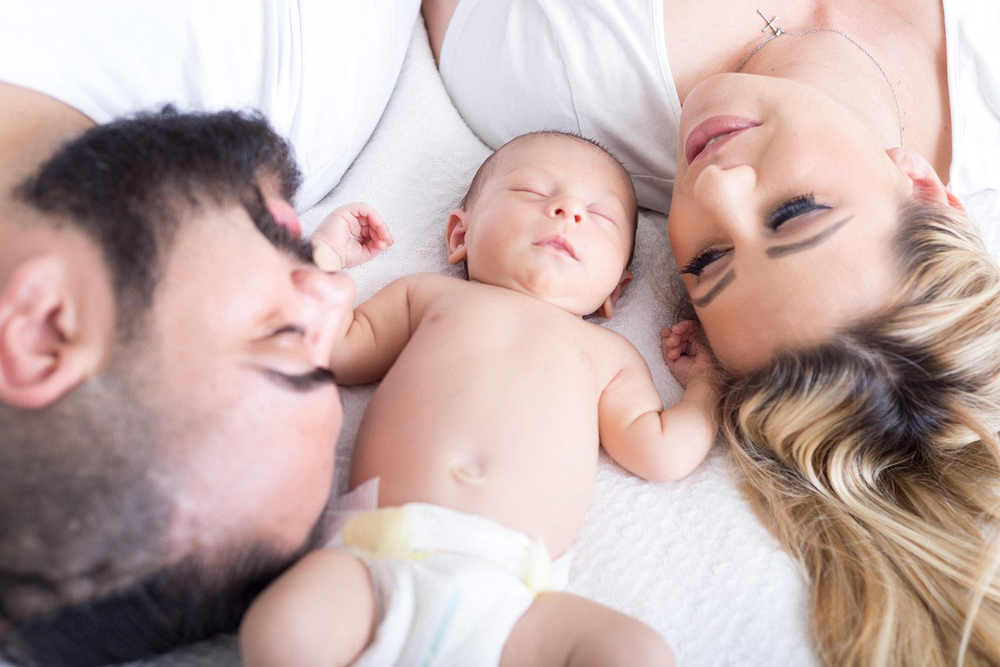
Bringing a new baby home changes everything—including how your family moves, rests, and recharges. What once felt like an easy Saturday morning jog or a quick yoga flow can suddenly feel impossible, or even irrelevant. But here’s the thing: your family fitness routine doesn’t have to be perfect; it just needs to fit your new reality. If you’re wondering whether it’s time to hit pause and rethink things, here are three warning signs that your current approach needs a reset after baby.
1. You’re constantly exhausted instead of energized
Exercise is supposed to boost energy, not drain the last drop out of you. If your workouts—or the family’s attempts at being active—leave everyone more wiped than before, that’s a red flag. After a baby, sleep is fragmented, recovery is slower, and your body’s energy reserves are not what they used to be. Pushing through a high-intensity workout when you’re running on four hours of interrupted sleep is not discipline; it’s a fast track to burnout or injury.
Instead, consider swapping intense sessions for something restorative. Think stroller walks at a conversational pace, gentle stretching as a family, or short 10-minute bodyweight circuits. The goal is to feel better after moving, not worse.
2. Your baby is always “in the way” of your workout
If you find yourself frequently frustrated because the baby’s nap schedule, feeding time, or fussiness keeps derailing your plan, the routine itself may be the problem. A rigid workout plan that doesn’t allow for the unpredictability of life with an infant is setting you up for stress. That frustration can spill over, making exercise feel like another obligation rather than a release.
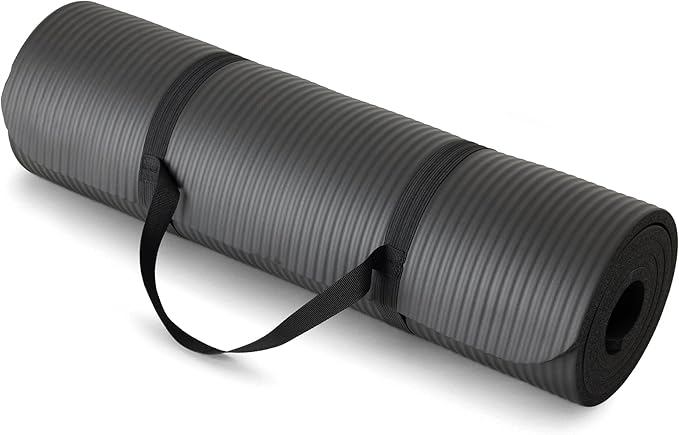
A reset means building flexibility into your movement. This could mean having a “grab and go” workout that requires no equipment, planning active play time with baby (tummy time on a mat while you do planks nearby), or simply accepting that some days your “workout” is carrying the baby up and down the stairs ten times. It all counts.
3. You’ve stopped moving together as a family
One of the biggest shifts after a baby is that shared physical activities—like a bike ride or a game of catch—become logistically complex. If your family’s fitness has splintered into everyone doing their own thing (or no one doing anything), you may need a reset. The connection that comes from moving together is just as valuable as the physical benefits.
Consider low-barrier activities that include the baby: a family hike with a carrier, a dance party in the living room, or a simple stretching routine before bed. It’s not about intensity; it’s about rebuilding the habit of moving together, even for five minutes.
A gentle reminder: Your family’s fitness routine after a baby doesn’t need to look like it did before. In fact, it probably shouldn’t. The sign of a healthy reset is not a perfect schedule, but a sustainable one that leaves room for rest, connection, and the beautiful chaos of a growing family.