
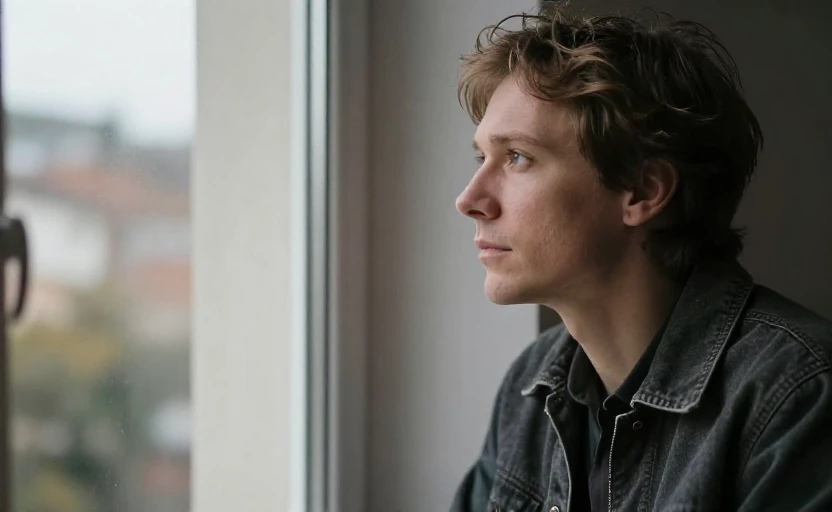
Childhood is meant to be a foundation, a place where we learn to feel safe, loved, and capable. For many, however, early years are marked by experiences that overwhelm a child's ability to cope—events like emotional neglect, physical or emotional abuse, living with a caregiver's addiction, or chronic instability. These experiences can leave deep, often invisible, imprints that shape our adult lives in ways we might not fully understand.
Unresolved childhood trauma doesn't always announce itself with flashbacks or overt distress. More often, it whispers through patterns—persistent feelings, reactions, and relational struggles that seem to have a life of their own. Recognizing these signs isn't about assigning blame, but about understanding the origins of certain challenges. It's the first, compassionate step toward addressing the root cause rather than just managing the symptoms.
What does unresolved trauma look like in adulthood?
The body and mind have remarkable ways of surviving difficult childhoods. We develop coping strategies that help us get through. The problem arises when these survival mechanisms, perfectly suited for a stressful past environment, become fixed and dysfunctional in our present, adult lives. They can create barriers to intimacy, self-worth, and peace.
Here are three common warning signs that may point to unresolved childhood wounds.
1. A persistent sense of being "different" or fundamentally flawed
This is often a deep-seated, core belief that feels like a truth about the self, not just a passing insecurity. It might sound like an internal voice that says, "There's something wrong with me," "I'm unlovable," or "I don't belong anywhere." This feeling often stems from early messages, explicit or implied, from caregivers or the environment.
If a child's emotional needs were consistently dismissed, or if love felt conditional on performance or compliance, they may internalize the belief that their authentic self is not acceptable.
As an adult, this can manifest as chronic shame, a tendency toward perfectionism (trying to "earn" worthiness), or social anxiety rooted in the fear of being "found out." You might feel like you're wearing a mask, waiting for people to see the real, flawed you underneath.
2. Difficulty with emotional regulation and self-soothing
Children learn to manage their emotions by being co-regulated by a calm, attentive caregiver. When this is absent or inconsistent, the nervous system doesn't fully learn how to return to a state of calm after being upset. The emotional thermostat is set to a wider, more volatile range.
In adulthood, this can look like:
- Emotional overwhelm: Feelings like anger, sadness, or fear can feel tsunami-like, intense, and frighteningly out of proportion to the current situation. A minor criticism might feel like a devastating rejection.
- Numbing out: The opposite swing—feeling emotionally flat, disconnected, or unable to access feelings at all. This is a protective shutdown.
- Risky self-soothing: Turning to substances, compulsive behaviors, or other means to quiet the internal storm because internal tools for comfort feel underdeveloped or inaccessible.
3. A pattern of tumultuous or avoidant relationships
Our earliest relationships form our blueprint for connection. If those bonds were unsafe, unpredictable, or involved enmeshment (lack of boundaries), it directly shapes how we relate to others as adults.
Two common patterns emerge:
Anxious attachment: A deep fear of abandonment leads to clinginess, needing constant reassurance, and reading deep meaning into a partner's minor actions. There's often an underlying belief that you must work very hard to keep people from leaving.
Avoidant attachment: A deep fear of engulfment or being controlled leads to pulling away when things get too close or intimate. Independence is prized above all, and needing others feels like a dangerous weakness. You might end relationships preemptively or feel "trapped" in committed partnerships.
Many people also find themselves repeatedly drawn to partners who are emotionally unavailable or recreating dynamics that feel familiar, even if they're painful—a subconscious attempt to "fix" the past.
What to do if you recognize these signs
Recognizing these patterns in yourself can be unsettling, but it is also a sign of strength and self-awareness. It means you're looking beneath the surface. Here are some gentle, forward-moving steps to consider.
Practice self-compassion. The goal here is understanding, not self-criticism. Acknowledge that these patterns were survival strategies developed by a child doing their best in a difficult situation. Speak to yourself with the kindness you would offer a friend.
Consider therapy. A trained therapist, particularly one skilled in trauma-informed modalities (like EMDR, Internal Family Systems, or somatic therapy), can provide a safe container to explore these wounds. Therapy isn't about endlessly reliving the past; it's about processing stored emotions and updating those old survival blueprints so they no longer run your present life.
Begin to build somatic awareness. Trauma lives in the body. Practices like mindful breathing, gentle yoga, or simply noticing bodily sensations without judgment can help you reconnect with your physical self and learn to regulate your nervous system.
Educate yourself. Reading books by experts like Bessel van der Kolk (The Body Keeps the Score), Pete Walker (Complex PTSD: From Surviving to Thriving), or Gabor Maté can provide validation and a framework for understanding your experiences.
Healing is not about erasing the past, but about integrating your story in a way that you are no longer ruled by it. It's about reclaiming the parts of yourself that had to go into hiding to survive and building a present life grounded in safety, choice, and connection.