Heavy periods can be exhausting and disruptive, but they can also sometimes signal a more serious health concern. When menstrual bleeding is unusually heavy, the body may be more vulnerable to infection. Recognizing the early warning signs of an infection can help you seek timely care and avoid complications.
It's important to understand the difference between a typical heavy flow and symptoms that suggest something is wrong. Here are three specific warning signs that warrant attention.
1. Foul-smelling or Unusual Vaginal Discharge
A strong, unpleasant odor that is different from your normal menstrual smell is a classic sign of infection. During a heavy period, blood can mask other odors, but if you notice a fishy, musty, or otherwise foul scent that lingers after washing, it may indicate bacterial vaginosis, trichomoniasis, or another infection. Along with odor, watch for changes in discharge color or consistency, such as a yellow-green or grayish hue.
Tip: If the odor persists for more than a day or two during or after your period, it is worth discussing with a healthcare provider.
2. Pain that Is Severe or Accompanied by Fever
While cramping is normal, pain that is sharp, stabbing, or localized to one side—especially if it comes with a fever—is not. Pelvic inflammatory disease, endometritis, or a uterine infection can cause significant pelvic pain that worsens during menstruation. A fever over 100.4°F (38°C) combined with heavy bleeding and pain is a red flag for infection.
Other accompanying symptoms may include chills, nausea, or a general feeling of being unwell. If you experience these, medical evaluation is important as soon as possible.
When to Seek Immediate Care
- Fever that does not respond to over-the-counter fever reducers
- Pain severe enough to interfere with daily activities or sleep
- Pain that spreads to your lower back or thighs
3. Bleeding That Worsens After Improvement or Includes Large Clots
An infection can cause inflammation in the uterine lining, leading to heavier or more prolonged bleeding. If your period initially seems to lighten but then suddenly becomes heavy again, or if you pass clots larger than a quarter in size repeatedly, it may indicate an infection such as endometritis. Clots combined with a foul smell or pelvic tenderness increase the likelihood of infection.
Any irregular bleeding that doesn't follow your usual pattern—especially if accompanied by other symptoms—should be evaluated. Infection can disrupt the normal hormonal cycle and exacerbate bleeding.
Prevention and Next Steps
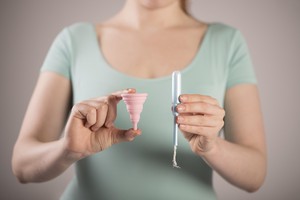
Good menstrual hygiene is the first line of defense. Change pads, tampons, or cups frequently—every 4 to 6 hours—to reduce bacterial growth. Avoid douching, which can disrupt the vaginal microbiome. If you use a menstrual cup, ensure it is properly sterilized between cycles.
If you suspect an infection, a healthcare provider can perform tests to identify the cause. These may include a pelvic exam, swab tests, or blood work. Early treatment with appropriate antibiotics or other therapies can resolve the infection and prevent complications like pelvic inflammatory disease or fertility issues.
Remember that your body gives you signals for a reason. Pay attention to changes in smell, pain, and bleeding patterns. Trusting your instincts and seeking help when something feels off is a critical part of taking care of your reproductive health.