High blood pressure is often called a silent condition, and for good reason. Many people walk around for years with elevated numbers, feeling perfectly fine, while the strain on their arteries and heart builds quietly. This lack of obvious symptoms is precisely what makes it so dangerous. However, ‘silent’ doesn’t always mean completely symptomless. Sometimes, the body sends subtle signals that are easy to dismiss as stress, fatigue, or just part of a busy life. Learning to recognize these quieter warnings can be a crucial step toward taking control of your heart health.
The challenge is that these signs are often non-specific. They don’t come with a flashing light labeled ‘hypertension.’ Instead, they blend into the background of modern living. Paying attention to persistent changes in how you feel—especially when they cluster together—can provide the nudge you need to get a simple blood pressure check.
A Persistent, Unexplained Headache
Everyone gets headaches. From tension to dehydration to staring at a screen too long, the causes are numerous. This is why a headache linked to high blood pressure is so frequently ignored. It’s written off as just another one of those days.
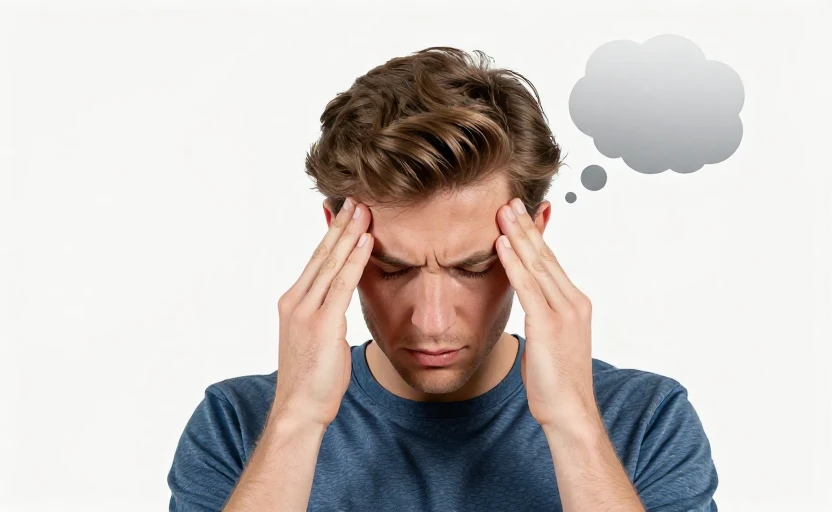
But there are characteristics that can make this type of headache stand out. It’s often described as a throbbing sensation, frequently felt in the back of the head or base of the skull, especially upon waking. Unlike a migraine, it may not be accompanied by sensitivity to light or sound. Unlike a tension headache, it might not ease up with typical over-the-counter remedies or a change of posture.
When a headache feels different, lasts longer, or appears more frequently without a clear reason, it’s worth considering what your blood pressure might be doing.
It’s important to understand the mechanism: severely high blood pressure can increase pressure inside the skull, leading to this distinct sensation. While not every headache means hypertension, a new, persistent pattern should prompt a conversation with your doctor, not just reaching for another pain reliever.
Changes in Vision or “Seeing Spots”
Our eyes offer a direct window into the health of our blood vessels. The retina, the light-sensitive layer at the back of the eye, is fed by a delicate network of tiny arteries and veins. When blood pressure is consistently too high, it can damage these fragile vessels.
This damage might manifest in ways you can actually see. You might notice brief episodes of blurry vision, difficulty focusing, or the sudden appearance of floaters—those tiny specks or cobweb-like shapes that drift across your field of vision. In more pronounced cases, you might experience moments where vision in one eye seems dimmed or obscured.
Many people attribute these changes to eye strain, getting older, or needing a new glasses prescription. While those are all possible, unexplained visual disturbances are a classic, yet overlooked, red flag for hypertensive retinopathy—damage caused specifically by high blood pressure. An optometrist or ophthalmologist can often see signs of this during a routine eye exam, even before you notice symptoms yourself.
A Feeling of Persistent Fatigue or Mental Fog
This is perhaps the easiest sign to explain away. Who isn’t tired in a fast-paced world? However, fatigue related to hypertension is different from simply needing more sleep.
When your heart has to work against consistently high pressure in your arteries, it’s like forcing a pump to work harder than it should, 24 hours a day. This extra workload can leave you feeling drained, even after a full night’s rest. You might find it harder to concentrate, feel a sense of mental fog, or lack your usual stamina for physical tasks.
This fatigue isn’t relieved by caffeine or a weekend of rest. It’s a deep-seated weariness that persists. Because stress, poor sleep, and overwork can cause identical feelings, we rarely connect the dots to our cardiovascular system. But if your energy levels have taken a unexplained and sustained dip, it’s a signal from your body that something is out of balance, and blood pressure is a key piece of that puzzle.
What to Do If You Recognize These Signs
Noticing one or more of these signs doesn’t mean you definitely have high blood pressure. It means it’s time for clarity, not anxiety. The single most important action you can take is to get an accurate blood pressure reading.
- See Your Doctor: A healthcare professional can take a proper measurement and discuss your symptoms in context. They can determine if what you’re experiencing is related to hypertension or another cause.
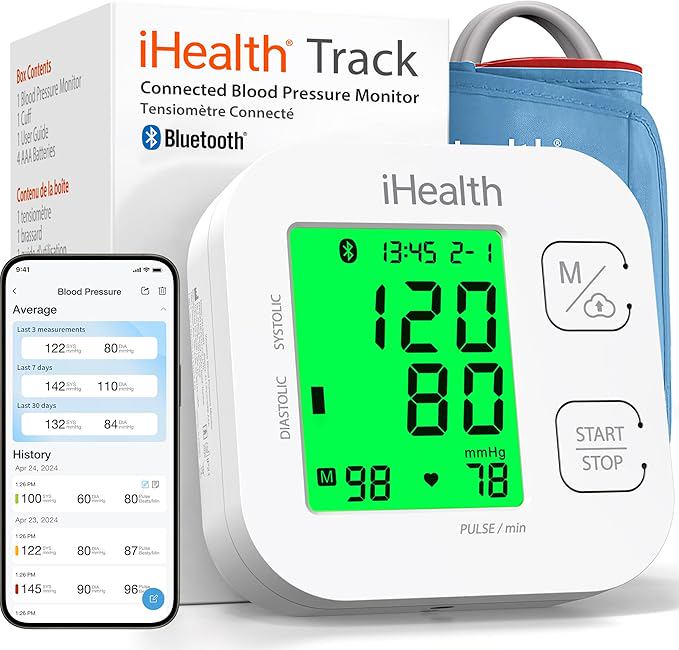
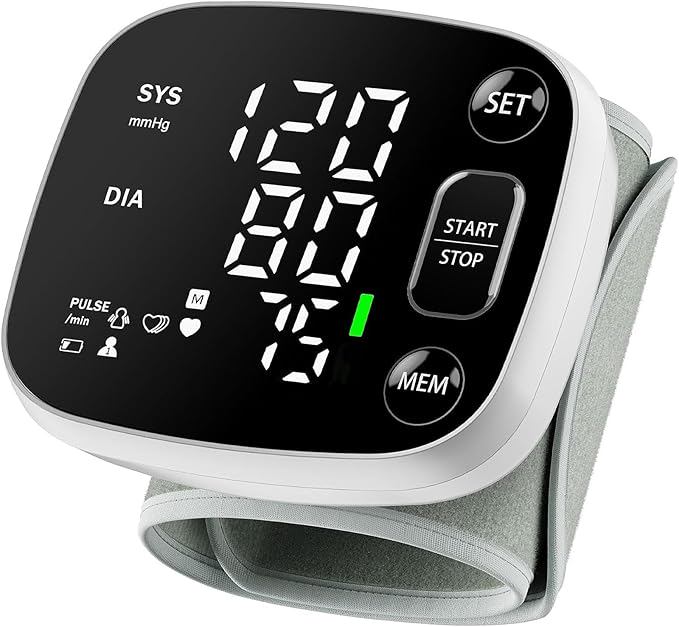
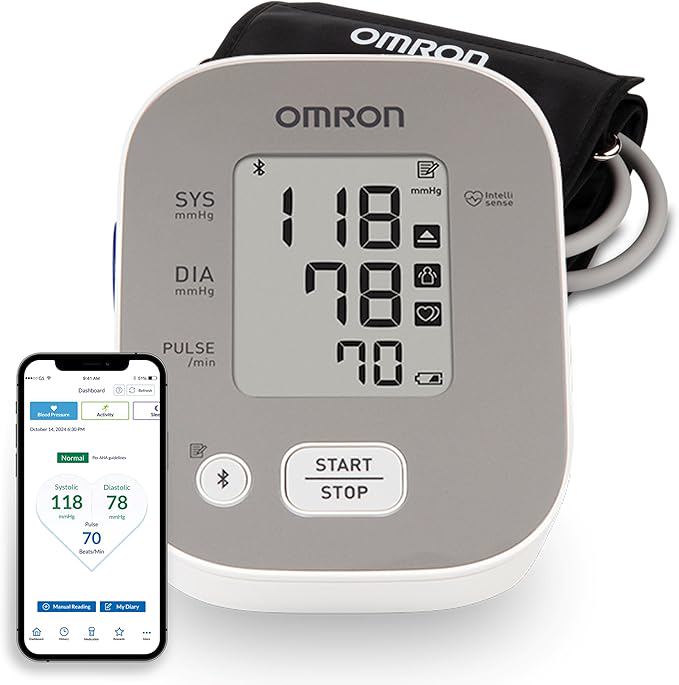
- Consider Home Monitoring: For many, checking blood pressure at home provides a clearer picture of their typical numbers, away from the potential stress of a clinical setting.
- Track Your Symptoms: Keep a simple log. Note when you get a headache, feel foggy, or notice vision changes. Also jot down your activities, stress levels, and sleep. This information is invaluable for your doctor.
The goal is not self-diagnosis, but informed awareness. These subtle signs are your body’s way of asking for a check-in. Listening to them, and following up with a simple test, is one of the most proactive things you can do for your long-term heart health.