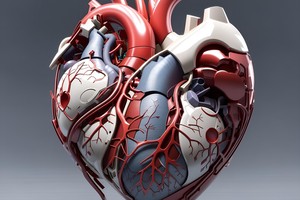
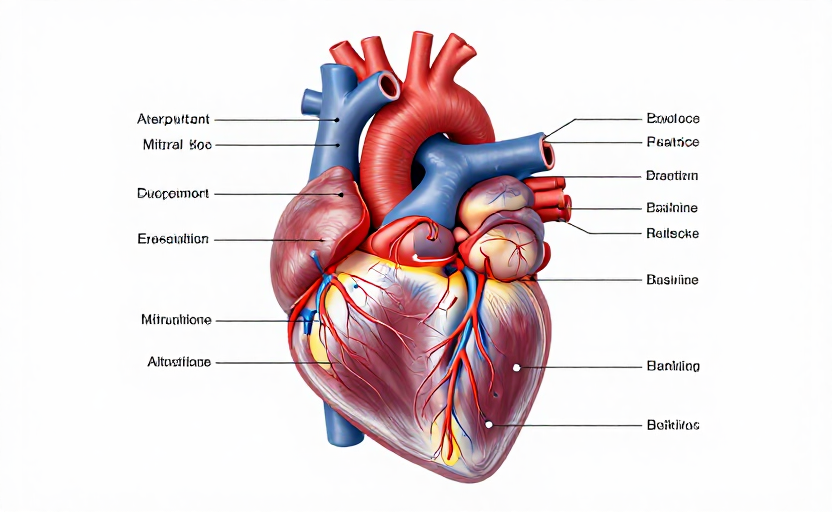
Your heart valves work silently, opening and closing with every beat to keep blood flowing in the right direction. When one of those valves starts to fail—whether from stenosis (stiffening), regurgitation (leaking), or prolapse—the effects build slowly. Many people adapt without realizing it, dismissing fatigue or a strange flutter as signs of getting older or being out of shape.
Cardiologists stress that the most dangerous valve conditions are often the ones diagnosed late. By the time a valve problem causes clear trouble, the heart may already be working overtime, stretching and thickening to compensate. Recognizing three specific symptoms early could be the difference between a minimally invasive repair and major surgery.
1. Unexpected Shortness of Breath During Routine Activities
This isn't the breathlessness of a sprint. Patients describe it as an unfamiliar need for air while doing things they used to breeze through: walking up a single flight of stairs, carrying groceries, or making the bed. Aortic stenosis, the most common valve disease in older adults, often first appears this way because the narrowed valve forces the heart to push harder to pump blood out to the body.
Mitral regurgitation, where the valve fails to close fully, can cause fluid to back up into the lungs. The result is the same: you feel winded, but you can't always explain why. Cardiologists pay close attention when someone who was active reports needing to stop and catch their breath in the middle of a normal day.
Listen for this pattern: Breathlessness that is new, progressive, and happens with less effort than before. If your doctor orders an echocardiogram because of this symptom, they are looking at valve function—not just your lungs.
2. A Heart Murmur That Has Changed (or Has Suddenly Appeared)
A heart murmur is simply the sound of turbulent blood flow. Many people have benign murmurs that never cause trouble. The change is the warning sign. A murmur that gets louder, shifts in timing, or appears where there was none before is a strong clue that a valve is structurally changing.
What cardiologists listen for
During a routine exam, your doctor listens in multiple positions—lying down, sitting up, sometimes after light exercise. A new diastolic murmur (sound between beats) is almost always abnormal and points to a valve like the aortic or pulmonic not sealing properly. A harsh systolic murmur that radiates toward the neck can indicate significant aortic stenosis.
Even without other symptoms, a changing murmur warrants an echocardiogram. This ultrasound shows whether the valve is stiff, calcified, or leaking, and it measures how badly blood flow is obstructed. Many patients are surprised to learn that a murmur they have had for years suddenly indicates a problem—that is why serial comparison matters.
3. Unexplained Swelling in the Ankles, Feet, or Abdomen
When a valve leaks or becomes obstructed, the heart's pumping efficiency drops. Blood backs up into the veins, and fluid starts to leak into surrounding tissues. This leads to swelling—medically called edema—that is often first noticed in the lower extremities. Your socks leave deep indentations, shoes feel tight by mid-afternoon, or a ring becomes difficult to remove.
Fluid can also accumulate in the abdomen, causing a sensation of bloating or fullness, or in the lungs, which worsens breathlessness. Cardiologists view new bilateral ankle swelling—especially paired with other symptoms like fatigue or shortness of breath—as a red flag for right-sided heart strain, often stemming from a tricuspid or pulmonary valve issue.
When to seek a cardiologist
These three signs—breathlessness on exertion, a changing murmur, and unexplained fluid retention—are not meant to scare you into worry every time you feel winded. They are meant to prompt action if you notice a clear, persistent change. A primary care doctor can do an initial listen and decide if an echocardiogram or a cardiology referral is right.
Valve disease is treatable, especially when caught early. Surgical options range from valve repair to balloon valvuloplasty to replacement with either mechanical or biological valves. Transcatheter aortic valve replacement (TAVR) has made treatment accessible for many older adults who were once considered too high-risk for open surgery.
Why early recognition matters
Unlike a heart attack, valve disease often develops over years. That timeline works in your favor—if you are paying attention. The heart compensates remarkably well until it cannot. By the time symptoms become severe, the heart muscle may have already weakened permanently. Catching a valve problem early means you have a wider window for minimally invasive treatments and a better chance of preserving heart function.
- Monitor changes: Write down when you feel short of breath and what activity triggered it.
- Keep follow-ups: If your doctor has noted a murmur, ask if it should be rechecked annually.
- Check your feet: Press a thumb into your ankle for ten seconds. If an indentation remains, mention it at your next visit.
Cardiologists emphasize that these warning signs are not rare, but they are often normalized. Many patients later say, “I thought it was just age.” That thinking delays care. If something feels different physically, trust that instinct and get it checked.