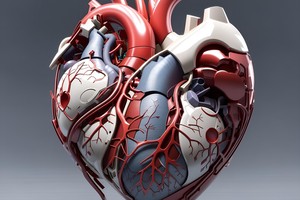

Coronary artery disease (CAD) often works quietly for years, slowly narrowing the vessels that feed your heart with oxygen-rich blood. Many people assume their heart is fine until something dramatic happens. But the body does send signals—some subtle, some blunt—well before a major event like a heart attack. Learning to recognize these warning signs can give you a crucial window to act.
Here are three key markers of coronary artery disease that should never be dismissed. If you or someone close to you experiences any of them, it is important to see a healthcare provider promptly for an evaluation.
1. Chest discomfort that comes and goes (angina)
The most recognized symptom of CAD is angina—a sensation of pressure, squeezing, fullness, or pain in the center of the chest. It can feel like someone is sitting on your chest or like a heavy weight. However, not everyone experiences it the same way. Some people describe it as a burning sensation, indigestion, or even just a vague discomfort.
A crucial detail is pattern. Stable angina tends to happen during physical exertion or emotional stress and resolves with rest or medication. If the discomfort becomes unpredictable—occurring at rest, lasting longer, or feeling more severe—it may signal that a blockage is worsening. This shift is a red flag that warrants immediate medical attention.
Brief tip: Angina does not always involve sharp pain. Pay attention to any recurring chest tightness, especially if it is linked to walking uphill, carrying groceries, or stress.
2. Shortness of breath
When coronary arteries narrow significantly, the heart struggles to pump enough blood to meet the body's needs—even during mild activity. This often shows up as unusual shortness of breath. You might find yourself winded after climbing a single flight of stairs or feel like you cannot catch your breath while doing chores you once handled easily.
Shortness of breath can occur without any chest pain at all, especially in women and older adults. It may also accompany fatigue or lightheadedness. If your breathing feels disproportionately labored for the activity you are doing, do not chalk it up to being out of shape. It may be a sign that your heart is working too hard against narrowed arteries.
3. Unexplained fatigue and weakness
Feeling unusually tired after a full night's rest, or finding that everyday tasks leave you drained, can be another subtle clue. When the heart receives insufficient blood flow, it cannot efficiently circulate oxygen to muscles and organs. The result is a persistent sense of fatigue or weakness that does not improve with sleep.
This symptom is easy to dismiss—life is busy, and everyone gets tired. But the kind of fatigue linked with CAD often feels different. It may come on suddenly, feel disproportionately heavy, or be accompanied by a feeling of heaviness in the arms or shoulders. If your energy levels have noticeably dropped without a clear reason, it is worth discussing with your doctor.
Other signs to keep on your radar
While chest discomfort, shortness of breath, and unexplained fatigue are the three most common early warnings, CAD can also appear as pain in the neck, jaw, back, or arms, nausea, cold sweats, or a feeling of indigestion. Women, in particular, are more likely to experience less typical symptoms.
The bottom line: Whatever combination of symptoms you notice, do not wait at home to see if they pass. Early detection of coronary artery disease can open the door to lifestyle changes, medications, or procedures that significantly reduce the risk of a heart attack. A simple discussion with a primary care provider—starting with a description of what you are feeling—is often the first and most important step.