Surviving a stroke is a profound second chance, but it also comes with a stark reality: the risk of another stroke is significantly higher in the months and years that follow. Approximately one in four stroke survivors will experience another stroke within five years. The difference between a manageable event and a catastrophic one often comes down to how quickly a person recognizes the warning signs and gets help.
While many stroke survivors and their families focus on recovery and rehabilitation, it is just as critical to stay vigilant about new or returning symptoms. The following three warning signs are not just red flags—they are urgent signals that demand immediate medical attention. Ignoring them, even for a few minutes, can lead to permanent disability or death.
1. Sudden weakness or numbness that feels different from your recovery
Many stroke survivors live with residual weakness or numbness on one side of the body. That makes it easy to rationalize a new sensation as part of the healing process. However, if you experience a sudden onset of weakness or numbness—especially if it affects the face, arm, or leg on one side and feels distinct from your baseline—this is a major warning sign.
This symptom often appears without warning. A person might suddenly feel their arm go limp while holding a coffee cup, or notice that their leg won't bear weight when standing up. The key difference is the abruptness: if it happens in minutes or seconds, and it is new or noticeably worse, do not wait to see if it passes.
Fast action tip: Use the F.A.S.T. method—Face drooping, Arm weakness, Speech difficulty, Time to call 911. Even if only one sign is present, it is enough to take action.
2. Sudden confusion, trouble speaking, or difficulty understanding speech
Language is one of the first functions affected by a stroke, and it is also one of the most frightening. If you or a loved one suddenly struggles to form words, cannot find the right word, or cannot understand what is being said, do not assume it is fatigue, medication side effects, or anxiety.
This warning sign can manifest as slurred speech, garbled sentences, or the inability to repeat a simple phrase. Some people may nod along as if they understand, but their eyes may show confusion or fear. Others may try to speak but produce only sounds or random words. This is not a moment for patience—it is a moment for emergency care.
Even if the language difficulty resolves within a few minutes, it could be a transient ischemic attack (TIA), often called a mini-stroke. TIAs are powerful predictors of a full stroke, with about 10–15% of people having a major stroke within three months of a TIA.
3. Sudden severe headache with no known cause
Headaches are common after a stroke, often due to changes in blood pressure, medication, or stress. But a sudden, explosive headache—often described as the worst headache of your life—is a classic sign of a hemorrhagic stroke or a ruptured aneurysm. This type of headache comes on fast, peaks within seconds to a minute, and may be accompanied by nausea, vomiting, or a stiff neck.
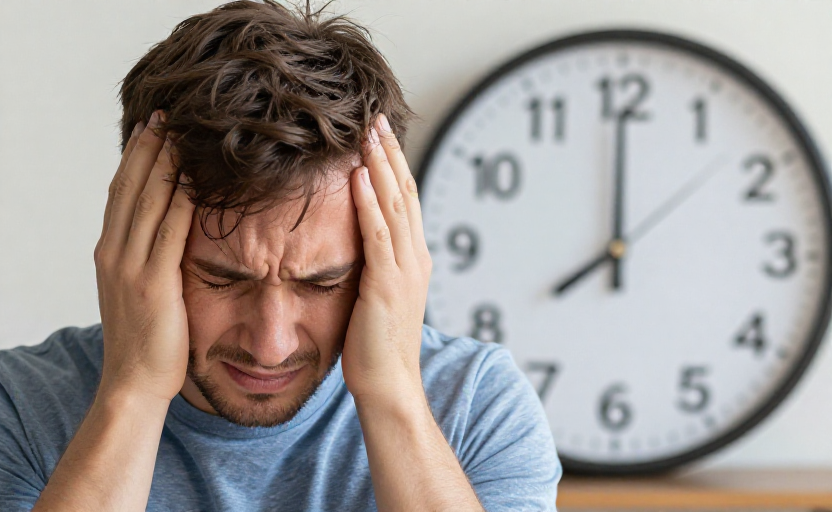
If you or someone near you suddenly grabs their head, winces, and says the pain is unlike anything they have felt before, do not assume it is a migraine or tension headache. Even if the person has a history of migraines, a headache that feels qualitatively different—especially if it is sudden and severe—warrants immediate medical evaluation.
In some cases, this headache can occur with vision changes, such as double vision, loss of vision in one eye, or seeing flashing lights. These visual symptoms can be easy to dismiss, but they often accompany a stroke and can provide early clues that something is wrong.
Other warning signs to keep on your radar
While the three signs above are the most critical, there are additional symptoms that may also precede a second stroke:
- Sudden trouble walking, dizziness, loss of balance or coordination
- Sudden vision changes in one or both eyes
- Sudden nausea or vomiting without a clear reason
- Brief loss of consciousness or fainting
No single symptom on its own guarantees a stroke is happening, but the pattern of sudden onset and the combination of multiple symptoms substantially increases the likelihood. If you are unsure, the safest course is to call 911 and describe what you are seeing. Paramedics can begin assessment and care on the way to the hospital.
Why second strokes are often more severe
A second stroke is not simply a repeat of the first. The brain has already been injured, and new damage can compound existing deficits. Recovery from a second stroke is often slower, and the risk of permanent disability rises. This is why prevention and early recognition are so vital.
Risk factors for a second stroke include uncontrolled high blood pressure, atrial fibrillation, diabetes, high cholesterol, smoking, and a sedentary lifestyle. But symptoms can strike even when these factors are well managed. The only way to improve outcomes is to act on symptoms immediately.
If you or a loved one has had a stroke, make sure everyone in the household knows the three warning signs above. Post them on the refrigerator. Practice the F.A.S.T. acronym. And above all, understand that a few minutes of hesitation can change the course of recovery forever.
This article is for educational purposes and does not constitute medical advice. If you suspect you are experiencing a stroke or a second stroke, call 911 immediately.