When we talk about polycystic ovary syndrome (PCOS), irregular or absent periods often take center stage. It’s a classic hallmark. But PCOS is a whole-body hormonal condition, and its signals can weave through your daily life in ways that feel disconnected from your cycle. Recognizing these broader patterns is crucial, not for self-diagnosis, but for having a more informed, productive conversation with your healthcare provider. It’s about connecting the dots between seemingly separate struggles.
Hormones are messengers, and in PCOS, the communication lines—particularly involving insulin and androgens—are often disrupted. This disruption creates a ripple effect. While your menstrual cycle is one clear point of impact, the waves reach much farther. Paying attention to these three specific warning signs can help you paint a more complete picture of what might be happening.
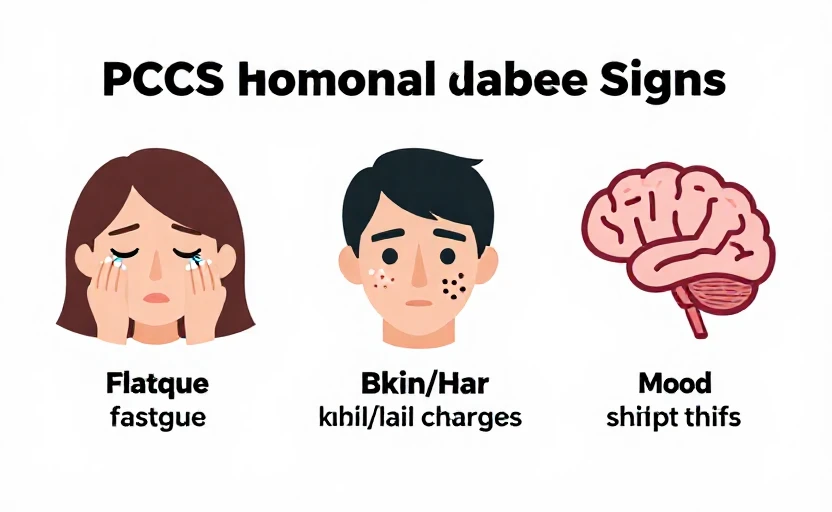
1. Persistent, Stubborn Fatigue That Sleep Doesn’t Fix
Everyone feels tired sometimes. The fatigue linked to PCOS hormonal imbalance is different. It’s a deep, persistent drain that a full night’s sleep doesn’t resolve. You might wake up feeling just as weary as when you went to bed, or hit a wall of exhaustion every afternoon that makes concentration feel impossible.
This isn’t just about being busy. It’s often tied directly to how your body manages energy. Insulin resistance, a common feature of PCOS, means your cells have trouble using glucose from your food for fuel. Think of it like having a locked gas tank while fuel (glucose) builds up in the bloodstream. Your cells are starved for energy even though there’s plenty available, leading to that profound sense of fatigue.
If your fatigue feels metabolic—unshakable, heavy, and unrelated to your activity level—it’s a significant clue worth discussing.
2. Changes in Your Skin and Hair That Feel New and Unmanageable
Your skin and hair are highly sensitive to hormonal shifts, particularly to androgens like testosterone, which are often elevated in PCOS. These changes are more than cosmetic nuisances; they’re external markers of an internal imbalance.
You might notice dark, velvety patches of skin (acanthosis nigricans) in body folds like your neck, underarms, or groin. This is frequently a sign of insulin resistance. Another common sign is adult-onset acne, particularly along the jawline, chin, and lower cheeks—areas where hormonal acne tends to appear. The acne may be deep, cystic, and stubborn to typical treatments.
Hair changes can occur in two opposing ways: hirsutism and thinning. Hirsutism is the growth of coarse, dark hair in patterns typical for men, such as on the face, chest, abdomen, or back. Conversely, you might experience thinning of the hair on your scalp, a condition called female-pattern hair loss, where the part widens or the hair feels noticeably less dense.
3. Mood Swings and Anxiety That Feel Tied to Your Body, Not Your Circumstances
It’s normal to feel stressed or sad in response to life events. The mood component of PCOS often feels different—more volatile, more physical, and sometimes disconnected from what’s happening around you. You might experience sudden irritability, feelings of being overwhelmed for no clear reason, or a persistent, low-grade anxiety that hums in the background.
This is deeply connected to the hormonal rollercoaster. Fluctuations in insulin and androgens can directly influence neurotransmitters in the brain that regulate mood. Furthermore, the chronic stress of managing unpredictable symptoms, along with potential inflammation associated with PCOS, can exacerbate these feelings.
When mood shifts feel physical and relentless, they are a valid and important symptom of the hormonal landscape, not a personal failing.
Bringing These Signs Together
One sign alone may point to many things. It’s the constellation of symptoms that tells the story. Experiencing stubborn fatigue alongside new skin or hair changes and a shift in your mood resilience creates a pattern that strongly suggests a underlying hormonal issue like PCOS.
Tracking these symptoms in a simple journal or app for a few weeks can provide invaluable, concrete information for your doctor. Note your energy levels, skin condition, and mood alongside your cycle. This data moves the conversation from “I just feel awful” to “Here is the pattern I’ve observed,” which is a powerful starting point for investigation and management.
Remember, identifying these signs is a step toward understanding, not a final diagnosis. PCOS management is highly individual, focusing on lifestyle foundations, potential medications to address specific imbalances, and supportive care. By looking beyond your period calendar, you empower yourself to seek the holistic care you deserve.