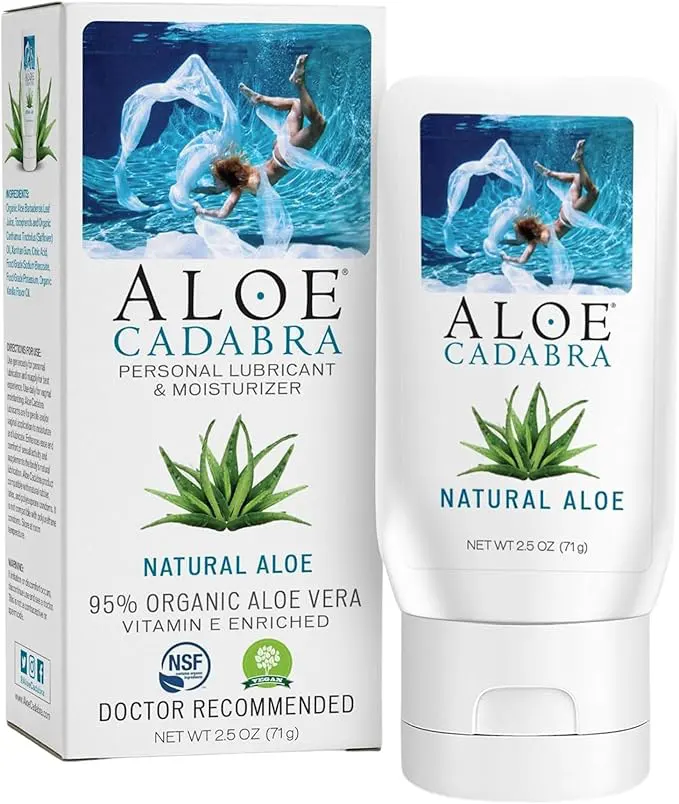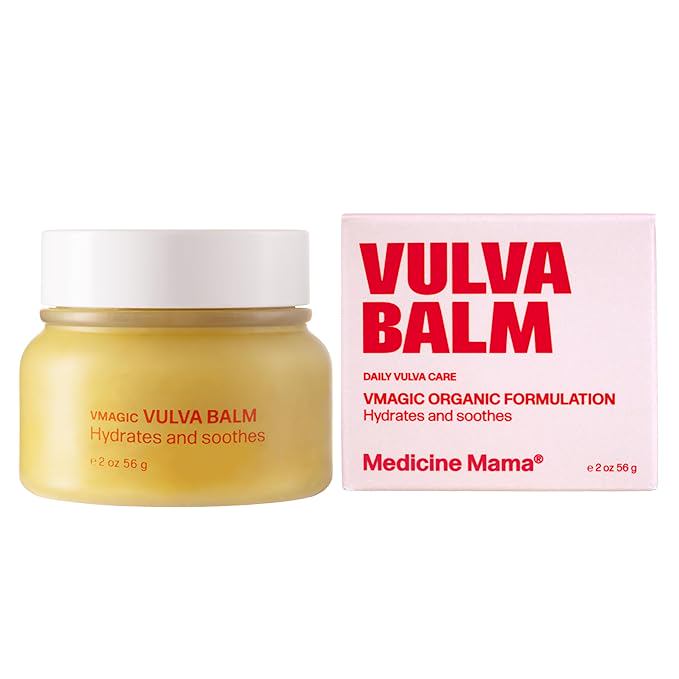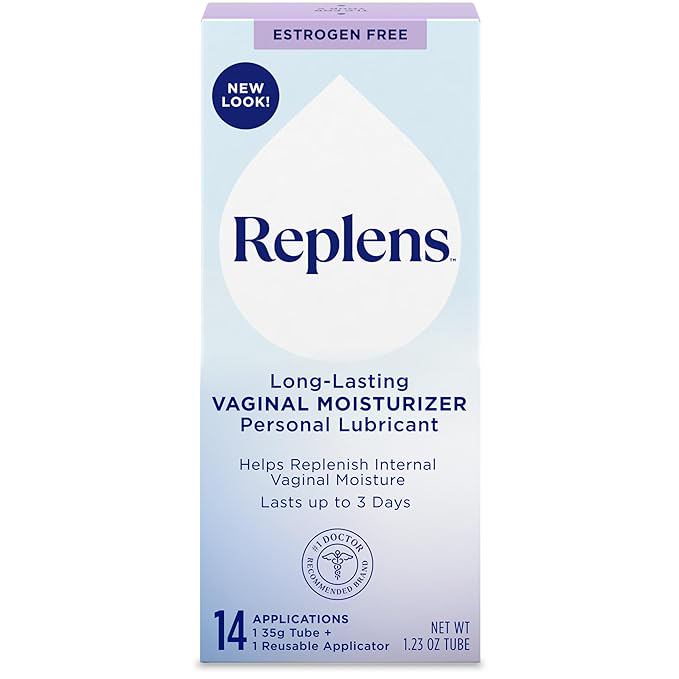

Menopause is a natural transition that brings a wide range of changes to the body. For many women, one of the most private and unsettling shifts involves sexual comfort. Vaginal dryness during sex is not something you have to simply accept as part of aging, but it is a very real symptom that often flies under the radar. Recognizing the early warning signs can help you address the issue before it affects your intimacy and quality of life.
Here are three specific signs that menopause—not just a bad day or a lack of lubrication—may be the root cause of vaginal dryness during intercourse.
1. A persistent sensation of tightness or burning
If intercourse consistently feels tight, raw, or even stings, that sensation is often your body's way of signaling that the vaginal tissues are thinning and losing natural moisture. During menopause, estrogen levels drop significantly. This hormone is responsible for maintaining the thickness, elasticity, and lubrication of the vaginal walls. Without enough estrogen, the tissues become fragile and less pliable. You are not imagining that feeling of friction; it is a direct physiological result of lower estrogen. A fleeting dryness that responds to a water-based lubricant may be situational, but persistent tightness or burning that repeats with every attempt at intimacy is a hallmark sign of menopausal vaginal dryness.
2. Light bleeding or spotting after sex
One of the more alarming signs is noticing a bit of blood on the toilet paper or seeing spotting after intercourse. This happens because the vaginal lining is thinner and more susceptible to tiny tears during penetration. When the tissue lacks estrogen, it loses its resilience and its ability to stretch easily. Even gentle contact can cause micro-abrasions. While post-coital bleeding can sometimes point to other medical concerns, it is a classic indicator of atrophic vaginitis—a condition directly tied to menopause. If you experience this, it is important to note that the dryness is significant enough to cause physical damage to the tissue.
3. Urinary urgency or discomfort that appears alongside dryness
The same hormonal shift that dries out vaginal tissue also affects the urethra and bladder. If you find yourself suddenly needing to urinate more frequently, feeling a sense of urgency, or experiencing a mild stinging sensation during urination—and this coincides with dryness during sex—the two symptoms are likely connected. Estrogen receptors are present throughout the pelvic floor, and when that support system loses hormonal stimulation, both vaginal lubrication and urinary comfort decline together. You do not have to choose between a healthy bladder and a comfortable sex life; this pair of symptoms is a strong signal that menopause is at work.
Take note: If you are experiencing any of these signs, consulting with a healthcare provider is a wise step. A gynecologist can confirm whether low estrogen is the cause and discuss safe, effective options such as vaginal moisturizers, prescription topical estrogen, or other therapies tailored to your health history.
Vaginal dryness caused by menopause is not something you need to endure in silence. Recognizing the early warning signs allows you to have an informed conversation with your doctor and explore solutions that can restore comfort and confidence. It is a health issue, not a personal failing, and it is highly manageable with the right approach.