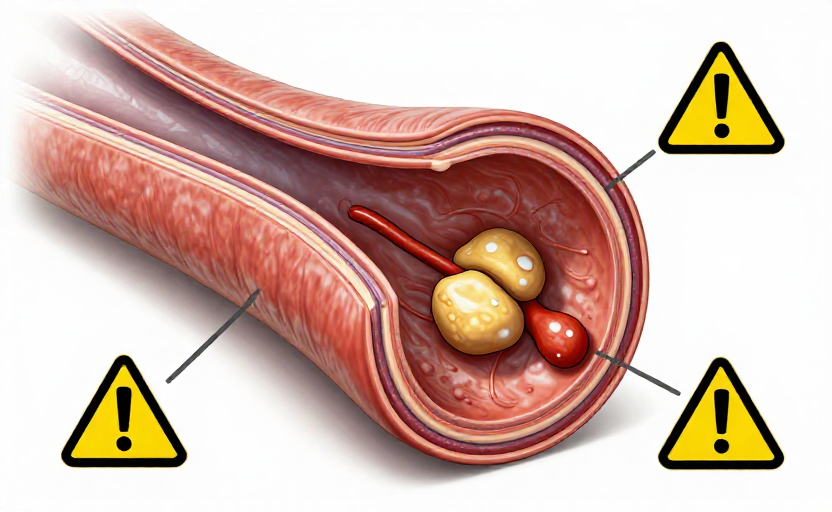
Your arteries are remarkably resilient. For years, they can accommodate a slow buildup of plaque—a mix of cholesterol, fats, calcium, and other substances—without raising any obvious alarms. This stealthy process is the hallmark of atherosclerosis, and it is a leading contributor to heart attacks and strokes. The challenge is that many people do not realize they have significant narrowing until a major event occurs. However, the body does sometimes whisper warnings before the crisis. Recognizing these subtle signals can give you a critical window to seek evaluation and make meaningful changes.
Below are three distinct warning signs that may indicate arterial plaque is silently narrowing your pathways. While none of these symptoms is a definitive diagnosis, each warrants a conversation with a healthcare provider, especially if you have risk factors such as high cholesterol, high blood pressure, diabetes, a smoking history, or a family history of early heart disease.
1. Chest discomfort that comes and goes with exertion
Classic angina is more than just a momentary twinge. It typically feels like pressure, squeezing, fullness, or a dull ache in the center of the chest. The hallmark is its connection to physical effort or emotional stress—and its tendency to fade with rest. If you notice that climbing a flight of stairs, walking briskly uphill, or shoveling snow triggers a heavy sensation in your chest that eases after a few minutes of sitting still, that pattern is a strong signal that your heart muscle may not be getting enough oxygen-rich blood during increased demand.
This is not always a dramatic pain. Many people describe it as a vague discomfort or a sense that something heavy is sitting on their chest. The key is the reproducible pattern—discomfort with activity, relief with rest.
Pay attention to subtleties: Some individuals, particularly women and those with diabetes, experience angina in less obvious ways. It may show up as burning in the chest, a feeling of indigestion, or discomfort between the shoulder blades.
2. Unexplained shortness of breath
If you find yourself getting winded from activities that used to feel easy—carrying groceries, making the bed, walking a short distance to the mailbox—that change in your stamina could be a sign of reduced cardiac output. When arteries narrow, the heart has to work harder to pump blood through the tighter passages, and it may not be able to keep up with normal demands. Shortness of breath can occur on its own, without any chest pain. This symptom is often dismissed as being out of shape or simply aging, but a sudden or gradual decline in your exercise tolerance is a red flag. It is also a common prelude to a heart attack, especially in women.
Pay attention to whether you feel breathless while lying flat or if you wake up gasping for air. These patterns suggest fluid backup due to a struggling heart, which can accompany advanced plaque narrowing.
When breathlessness feels different
Distinguish between feeling winded from a hard workout and struggling to catch your breath during routine tasks. The latter is what raises concern for arterial blockage.
3. Leg pain or cramping that stops you in your tracks
Plaque does not only affect the arteries near the heart. Peripheral artery disease (PAD) is the same atherosclerotic process occurring in the legs. The classic sign is intermittent claudication—a predictable cramping, aching, or tiredness in the calves, thighs, or buttocks that occurs with walking a certain distance and disappears after a few minutes of rest. If you can walk three blocks before your legs ache, but the pain vanishes completely when you stop and stand, that pattern strongly points to narrowed arteries in your lower limbs.
PAD is not merely a nuisance; it is a powerful indicator that you have widespread plaque throughout your body. People with PAD face a significantly higher risk of heart attack and stroke. Other clues include a sore on your foot or leg that heals slowly, a noticeable drop in skin temperature in one leg, or weak pulses in your feet.
When should you seek help?
If you recognize any of these symptoms, do not wait for them to worsen. Schedule an appointment with your primary care provider. They can perform a risk assessment, order blood work (including a lipid panel), and possibly do imaging studies such as a coronary artery calcium scan or ankle-brachial index test. These tools can confirm the presence of plaque before it leads to a blockage.
In the meantime, lifestyle changes are the frontline defense. A heart-healthy diet low in saturated and trans fats, added sugars, and sodium—think plenty of vegetables, whole grains, lean proteins, and healthy fats like those in olive oil and fatty fish—can slow plaque progression. Regular aerobic activity, maintaining a healthy weight, and managing blood pressure and blood sugar are equally essential.
A critical caveat: While these signs are important to know, the most dangerous plaque is often the one that causes no symptoms at all. That is why a proactive approach to monitoring your cardiovascular risk factors is vital, even when you feel perfectly fine.