
When you're thinking about starting a family, your focus naturally turns to the future. You might research prenatal vitamins, schedule check-ups, and think about lifestyle changes. But sometimes, your body sends its own quiet memos about what it needs long before a positive test. Nutrient deficiencies can develop subtly, often masked by the general fatigue of modern life. Learning to recognize these gentle warnings can be a powerful first step in building a robust nutritional foundation for both you and a future pregnancy.
It’s not about alarm, but about awareness. Your body has a nuanced language for communicating its needs. Paying attention to these signals allows you to address gaps with the guidance of your healthcare provider, turning preparation into a proactive and empowering process.
1. Unshakable fatigue that sleep doesn't fix
Everyone feels tired sometimes. But there’s a particular quality to deficiency-related fatigue that feels different from simply needing an earlier bedtime. It’s a deep, persistent weariness that lingers even after a full night's rest, making ordinary tasks feel daunting.
While many nutrients play a role in energy production, iron deficiency is a prime suspect for this kind of exhaustion. Iron is essential for creating hemoglobin, the protein in red blood cells that carries oxygen throughout your body. When iron is low, your tissues and muscles don't get the oxygen they need, leading to that profound sense of being drained. Another key player is vitamin B12, crucial for nerve function and the formation of red blood cells. A shortfall here can also manifest as overwhelming fatigue and weakness.
If your fatigue feels heavy and constant, it’s worth a conversation with your doctor. It could be a sign your body needs more foundational support.
2. Changes in your hair, skin, and nails
Your body prioritizes vital functions for survival. When nutrients are scarce, resources may be diverted away from non-essential areas like hair growth and nail strength. This can make your hair, skin, and nails surprisingly good barometers of your internal nutritional state.
Noticeable thinning or excessive shedding of hair, beyond normal daily loss, can be linked to deficiencies in iron, zinc, or certain B vitamins. Brittle nails that split or develop ridges are classically associated with low iron. Skin changes are also telling. Unusually dry, flaky skin or a rash that resembles goosebumps on the backs of your arms (known as keratosis pilaris) can sometimes indicate a lack of essential fatty acids or vitamin A.
These changes happen slowly, so you might not connect them to your diet. But in the context of pregnancy planning, they’re gentle nudges to assess whether you’re getting a full spectrum of vitamins and minerals.
3. Brain fog and low mood
Feeling forgetful, having trouble concentrating, or experiencing a persistent low mood aren't just symptoms of stress—they can be direct messages from your brain about its fuel supply. Cognitive function is deeply tied to nutrition.
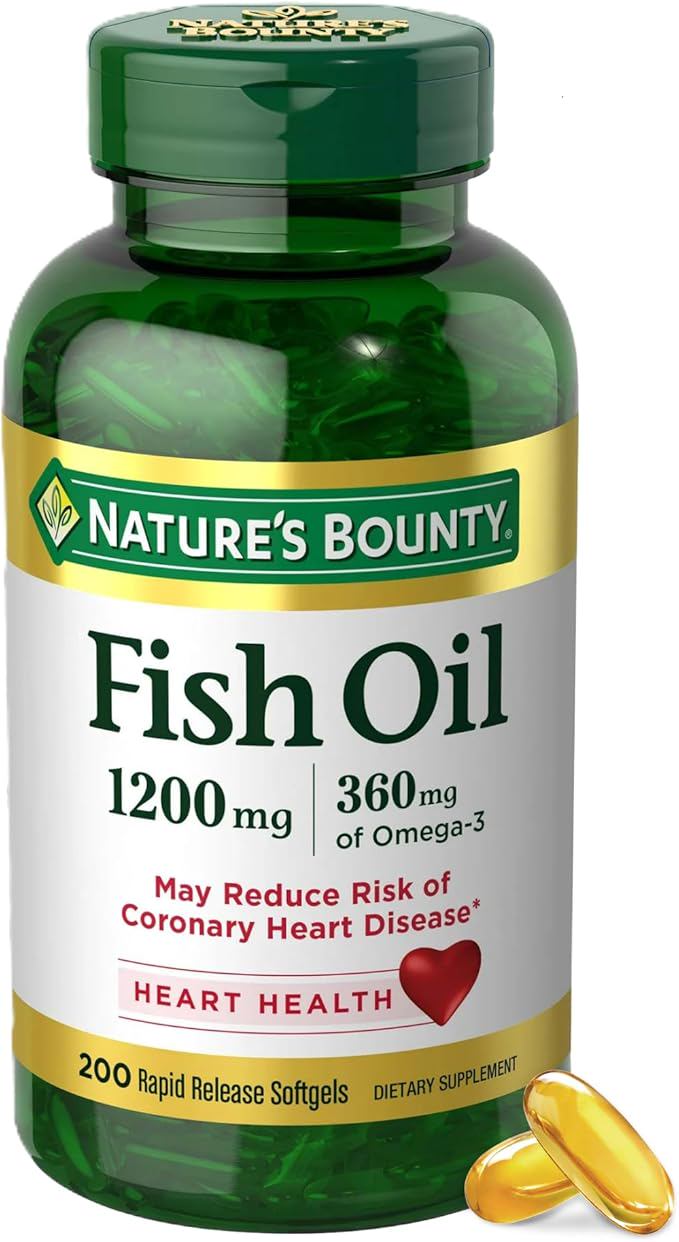
Omega-3 fatty acids, particularly DHA, are fundamental building blocks of the brain. An insufficient intake can contribute to feelings of mental fog. Similarly, B vitamins (like folate, B6, and B12) are critical for producing neurotransmitters that regulate mood, such as serotonin and dopamine. A deficiency here can manifest as irritability, anxiety, or a general flatness. Iodine is another crucial nutrient for thyroid health, and since the thyroid gland regulates metabolism and energy, even a slight imbalance can impact your mental clarity and emotional equilibrium.
Recognizing these signs is not about self-diagnosis, but about becoming a more informed partner in your own healthcare. If any of these subtle warnings feel familiar, the next step is a supportive chat with your doctor or a registered dietitian. They can help you interpret your symptoms, run simple blood tests to check key nutrient levels, and create a tailored plan that ensures you’re nourished and ready for the journey ahead.
Think of it as tuning into your body’s wisdom. By listening to these quiet cues, you move from simply planning for a pregnancy to actively preparing your body as a healthy, resilient home for new life.