
You’re exhausted. You finally slip into bed, ready to surrender to the pillow—and then your brain flips a switch. Suddenly, you’re wide awake, replaying a conversation from three years ago, worrying about tomorrow’s meeting, or feeling a vague but heavy dread settle in your chest. This isn’t just a bad night; it’s a pattern. If this sounds familiar, your nighttime anxiety might be running the show—and your sleep is paying the price.
Anxiety has a clever way of disguising itself. We often think of it as a daytime struggle, but for many, it peaks right when the lights go out. When your mind is supposed to be winding down, it revs up. The good news? The connection between your gut and your brain is powerful. What you eat—and when—can either fuel that middle-of-the-night fire or help calm it down.
Sign #1: You Have a “Racing Mind” That Won’t Turn Off
This is the classic nighttime anxiety symptom. You feel physically tired, but mentally wired. Your thoughts jump from one worry to another, and you can’t seem to stop the loop. This happens because your brain isn’t getting the right signal to shift from “alert” mode to “rest” mode. Cortisol, your primary stress hormone, may still be elevated.
The food fix: Focus on magnesium-rich foods
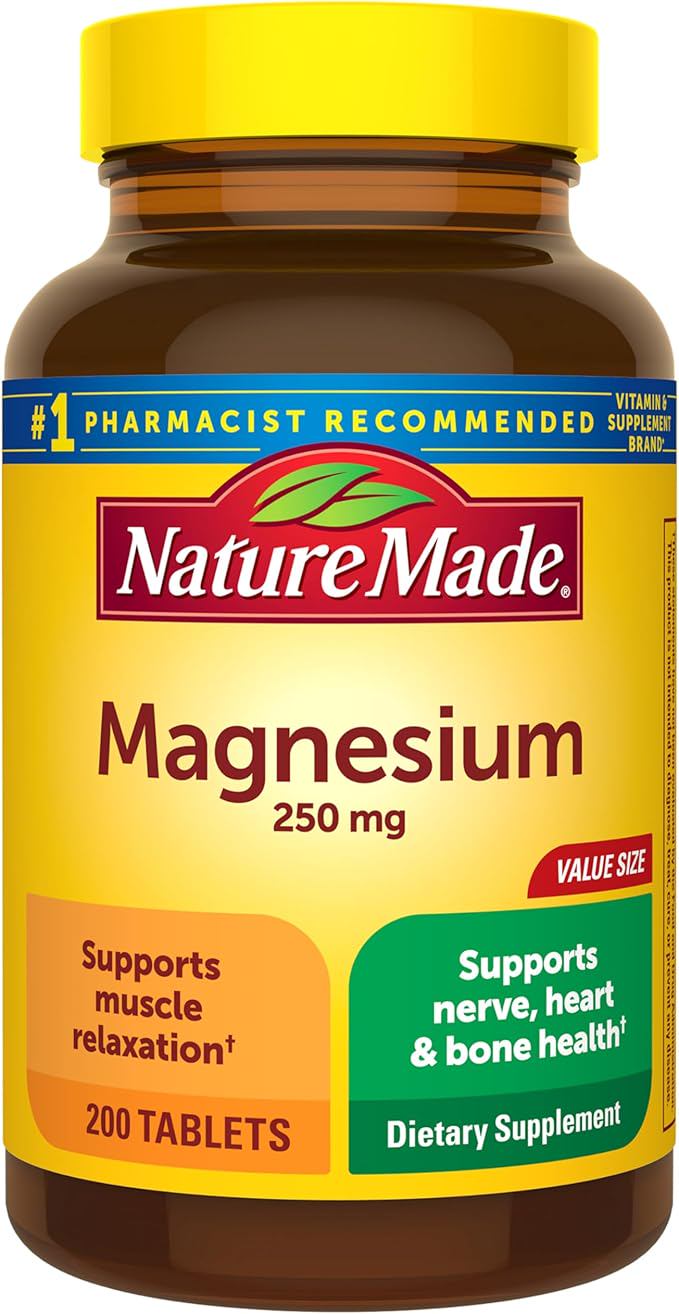
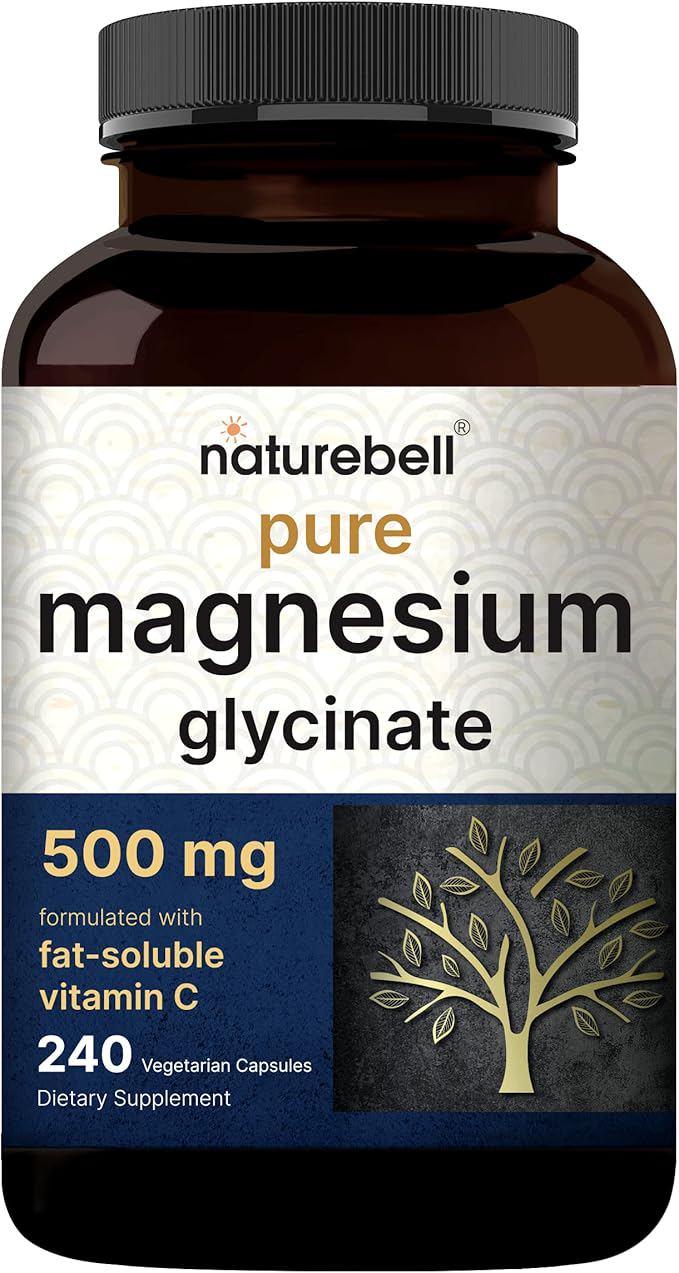
Magnesium is a natural relaxant. It helps regulate the nervous system and can lower cortisol levels. Think about adding a small evening snack that includes pumpkin seeds, almonds, or a banana. Yes, a banana—it’s a good source of magnesium and also contains tryptophan, a precursor to serotonin and melatonin.
Sign #2: You Wake Up Between 2 and 4 a.m. and Can’t Fall Back Asleep
Waking up once is normal. Waking up at the same dark hour every night, heart pounding or mind churning, is a classic sign of a blood sugar rollercoaster combined with anxiety. When your blood sugar dips in the middle of the night, your body releases cortisol and adrenaline to bring it back up. That jolt can wake you up—and keep you up. If your anxiety is also high, the combination is potent.
The food fix: A balanced, protein-rich pre-bed snack
Instead of a carb-heavy dessert or nothing at all, try a small snack that combines protein with a little healthy fat. One or two tablespoons of cottage cheese with a few walnuts, or a slice of turkey with half an avocado. Protein helps stabilize blood sugar through the night, which can prevent those cortisol spikes.
Sign #3: You Feel Tension in Your Body—Tight Jaw, Clenched Fists or Shallow Breathing
Anxiety doesn’t just live in your head; it lives in your body. When you’re struggling with nighttime anxiety, you might notice that your body doesn’t fully relax when you lie down. Your jaw is tight, your shoulders are up near your ears, or you’re breathing from your chest instead of your belly. This physical tension signals to your brain that you’re still in a threat state, making deep, restorative sleep impossible.
The food fix: Try warm, comforting foods with glycine
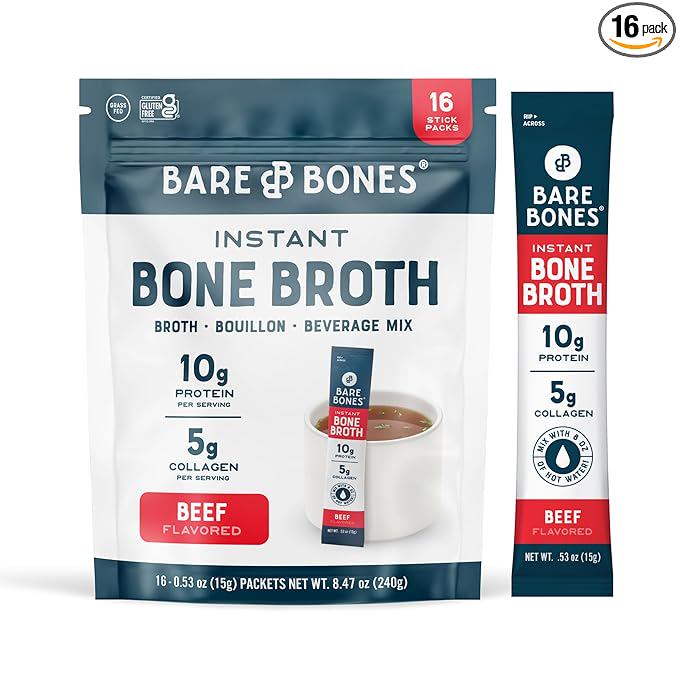
Glycine is a calming amino acid found in protein-rich foods like bone broth, salmon, and chicken skin. A warm cup of bone broth before bed can help lower your core body temperature (a sleep trigger) and promote relaxation. Alternatively, a small bowl of tart cherries or a glass of tart cherry juice is rich in natural melatonin, which helps signal the body to unwind.
A small snack eaten 30–45 minutes before bed can make a real difference. Avoid large meals, spicy foods, and caffeine after 2 p.m. for best results.
What to Eat Instead: Your Nighttime Anxiety Menu
If you recognize any of those three signs, here’s a simple shift: swap your late-night screen time for a calming snack. Instead of reaching for a glass of wine (which disrupts sleep architecture) or a sugary treat (which spikes then crashes your blood sugar), choose one of these options:
- Pumpkin seeds + a banana — magnesium, tryptophan, and potassium for muscle relaxation.
- Small bowl of tart cherries + a handful of almonds — melatonin and magnesium.
- Warm bone broth (sipped slowly) — glycine for calming the nervous system.
- A slice of turkey with half an avocado — protein, healthy fats, and tryptophan.
Remember, what you eat is one piece of the puzzle. A consistent wind-down routine—dimming lights, avoiding screens, and maybe some box breathing—works hand in hand with these food choices to tell your body, “It’s safe to rest now.”