Bringing a new baby home is overwhelming in the best ways—and also in some ways that can make it hard to know what's normal. Your body has been through a major event, and some discomfort is expected. But there's a difference between typical recovery and a red flag. Many new parents brush off serious symptoms because they assume it's just part of healing. Knowing which postpartum symptoms need immediate medical attention could save your life. Here are three non-negotiable warning signs to watch for in the weeks after delivery.
1. Sudden or Severe Headache That Won't Go Away
A headache after childbirth is common—dehydration, sleep deprivation, and hormonal shifts all play a role. But a sudden, severe headache, especially one that gets worse over a few hours or doesn't respond to rest, hydration, or over-the-counter pain relief, can be a sign of preeclampsia or postpartum eclampsia. This isn't just a tension headache. You might also notice vision changes (blurriness, flashing lights, or blind spots), nausea, or pain under your ribs on the right side.
Preeclampsia can develop even if you had normal blood pressure during pregnancy. A headache that feels like the worst of your life, or that comes with these other symptoms, requires immediate evaluation. Call your provider or go to the emergency room. Do not wait to see if it passes.
2. Heavy Bleeding That Soaks Through Pads Quickly
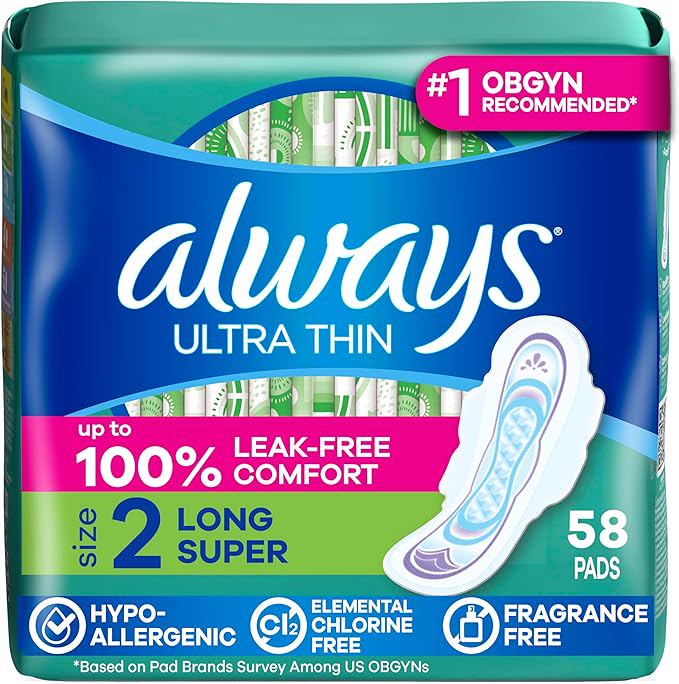
Some bleeding after birth (lochia) is normal for up to six weeks. But the volume matters. If you are soaking through one pad in less than an hour, or if you pass clots larger than a golf ball, that signals postpartum hemorrhage. This is a medical emergency. Other signs include feeling dizzy, lightheaded, or faint, having a racing heart, or noticing that the bleeding gets heavier when you stand up.
Postpartum hemorrhage can happen immediately after delivery or up to several weeks later. It's often caused by the uterus not contracting properly, retained placental tissue, or an infection. If you suspect you're bleeding too much, lie down, keep your feet elevated if possible, and have someone drive you to the ER or call 911. Do not try to monitor it at home.
Fast fact: Postpartum hemorrhage is one of the leading causes of maternal death worldwide, yet it's treatable when caught quickly.
3. Chest Pain, Shortness of Breath, or a Racing Heart
Your body is working hard postpartum, but your heart and lungs should not be struggling. If you experience sudden chest pain, difficulty catching your breath, or a heart that feels like it's pounding or racing without reason, you could have a pulmonary embolism (a blood clot in the lung) or peripartum cardiomyopathy (a form of heart failure). These conditions are rare but life-threatening.
Other red flags include coughing up blood, pain that gets worse when you breathe deeply, or swelling and pain in one leg (which could be a deep vein thrombosis, the clot that can travel to your lungs). Do not dismiss these symptoms as anxiety or being out of shape. If you can't take a full breath or feel like something is wrong with your chest, seek emergency care immediately.
What If I'm Not Sure?
When in doubt, check it out. Postpartum health concerns are not something to handle alone. You can call your OB-GYN, a 24-hour nurse line, or go to the emergency room. Many hospitals also have a postpartum triage unit where they can evaluate you quickly. Trust your instincts—if something feels off, it probably is.
How to Protect Yourself in the First Weeks
- Keep your provider's after-hours number saved in your phone.
- Ask your partner or support person to also learn these warning signs—sometimes you're too tired or too focused on the baby to notice.
- Track your bleeding and pain level—know what's normal for you so you can spot changes.
- Don't skip your postpartum checkup, even if you feel fine. That visit is a chance to catch problems early.
Postpartum recovery is not a test of endurance. Needing medical attention doesn't mean you failed or that something is wrong with you as a parent. It means you're taking care of yourself so you can be there for your baby. These three symptoms—severe headache, heavy bleeding, and chest or breathing trouble—are clear signals to stop waiting and get help. Act fast. It matters.