
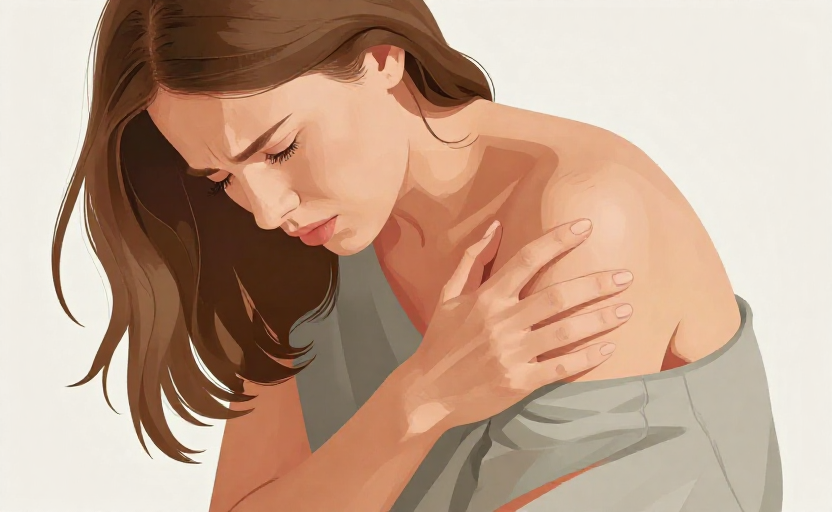
We often think of worry as a mental experience—a cascade of thoughts about what could go wrong. But for many people, the most tangible and distressing signs of chronic worry aren't in their minds at all. They're felt in the body. When anxiety becomes a persistent background state, it sends a constant stream of signals through the nervous system, leading to physical changes that can be confusing, uncomfortable, and sometimes alarming. Learning to recognize these bodily signals is a crucial step in understanding your own stress and finding pathways to relief.
It's important to remember that these symptoms can also be signs of other medical conditions. A conversation with a healthcare provider is always the right first step to rule out other causes. What follows is an exploration of how chronic worry can manifest physically, helping you connect the dots between your emotional state and your physical well-being.
When Your Muscles Won't Let Go: Tension and Pain
One of the most common physical echoes of chronic worry is muscle tension. This isn't the normal tightness after a workout. It's a low-grade, persistent clenching that often happens without you even noticing. The body's "fight-or-flight" system, activated by worry, prepares your muscles for action. When that alarm never fully shuts off, the muscles never get the signal to fully relax.
This tension frequently settles in the shoulders, neck, and jaw. You might find yourself with a headache that starts at the base of your skull, a sore jaw from clenching or grinding your teeth (especially at night), or a persistent ache across your upper back and shoulders. It can feel like you're carrying a heavy weight all day.
Chronic muscle tension is like leaving a car engine idling for hours—it causes wear and tear without ever going anywhere.
This isn't "all in your head." The muscle contractions are real and can lead to reduced blood flow and the buildup of metabolic byproducts, which directly cause pain and stiffness. Over time, this pattern can contribute to conditions like tension headaches or temporomandibular joint (TMJ) discomfort.
The Gut-Brain Connection: Digestive Distress
Your digestive system is intimately wired to your emotional state through a vast network of neurons often called the "second brain." When your mind is stuck in a loop of worry, your gut often pays the price. Chronic anxiety can alter gut motility, increase inflammation, and change the balance of your gut microbiome.
You might experience symptoms like:
- Stomachaches or "butterflies": A churning, knotted feeling that seems to have no dietary cause.
- Irregular bowel habits: This can swing toward constipation or diarrhea, as stress hormones directly affect how quickly food moves through your intestines.
- Nausea or loss of appetite: A sense of queasiness or a feeling of fullness after only a few bites.
- Increased heartburn or acid reflux: Stress can increase stomach acid production and make the esophagus more sensitive.
These symptoms are so common that conditions like irritable bowel syndrome (IBS) are strongly linked to the function of the nervous system. If you notice digestive issues that flare up during stressful periods or seem disconnected from what you eat, chronic worry could be a contributing factor.
The Unsettling Signal: Heart Palpitations and Breathlessness
Perhaps the most frightening physical symptoms are those related to the heart and lungs. Worry triggers the release of adrenaline, which makes your heart beat faster and stronger to pump blood to your muscles. When this happens repeatedly, you become hyper-aware of your own heartbeat.
You might feel your heart pounding in your chest, throat, or ears, or experience a sensation that it's skipping a beat or fluttering (palpitations). Alongside this, breathing often becomes shallow and rapid—you're taking quick breaths from the upper chest instead of slow, deep breaths from the diaphragm. This can lead to a feeling of not getting enough air, or breathlessness, even when you're at rest.
These sensations are usually harmless from a cardiac perspective when linked to anxiety, but they feel deeply threatening. The fear they generate can, in turn, create more adrenaline, leading to a cycle of increasing panic. Learning calming breathing techniques is not just a cliché; it's a direct way to signal your nervous system that it can stand down, which can slow the heart rate and deepen the breath.
Why Does Worry Do This?
These physical symptoms are the result of your autonomic nervous system, which operates largely outside your conscious control. The sympathetic branch ("fight-or-flight") is activated by perceived threats, including relentless worried thoughts. It diverts resources to systems needed for immediate survival—muscles, heart, lungs—and away from systems like digestion, which can wait.
In acute danger, this is life-saving. In chronic worry, it's like a system stuck in the "on" position, leading to the wear-and-tear symptoms described. The goal isn't to eliminate stress entirely, but to give your body more opportunities to engage its parasympathetic nervous system—the "rest and digest" counterpart that promotes healing and calm.
Moving Toward Relief
Recognizing the link between your worries and your body is the first and most powerful step. It demystifies the symptoms and points the way toward management. While professional support from a therapist or doctor is invaluable for chronic anxiety, daily practices can help retrain your body's response.
Body scanning is a simple technique. Take a few moments to mentally scan from your head to your toes, noticing areas of tension without judgment. Just bringing awareness to a clenched jaw or tight shoulders can sometimes prompt a gentle release.
Diaphragmatic breathing directly counters the shallow breath of anxiety. Place a hand on your belly, inhale slowly through your nose for a count of four, feeling your belly rise. Exhale slowly through your mouth for a count of six. Even a few rounds can shift nervous system activity.
Gentle, mindful movement like walking, stretching, or yoga can help release pent-up muscular tension and burn off stress hormones. The key is to focus on the sensation of movement, not on performance.
Your body is speaking the language of your worry. Learning to listen to it—and to respond with compassion and calming signals—can transform your relationship with both your physical sensations and your anxious thoughts.