Deciding to stop hormonal birth control is a significant step, often accompanied by a mix of anticipation and questions about what comes next. While your body is remarkably resilient, it’s shifting from a state of regulated hormones to its own natural rhythm. This transition can sometimes bring about changes in energy, mood, skin, or cycle regularity as your endocrine system recalibrates. While there’s no single “fix,” one of the most supportive things you can do is nourish your body with intention, providing the raw materials it needs to find its new balance.
Think of food not as a medicine, but as foundational support. The goal isn’t to “detox” or follow a restrictive cleanse, but to consistently incorporate meals rich in the specific nutrients that are often depleted by long-term contraceptive use or that are crucial for hormone synthesis and regulation. By focusing on a few simple, repeatable meal patterns, you can build a sustainable eating style that feels supportive, not stressful.
What does your body need after hormonal birth control?
Hormonal contraceptives work by influencing your body’s natural cycles, and coming off them requires a period of readjustment. Key nutrients play vital roles in this process. B vitamins, particularly B6, B9 (folate), and B12, are essential cofactors for liver detoxification pathways and neurotransmitter production, which can influence mood and energy. Zinc and magnesium are critical minerals for hormone production, immune function, and managing inflammation. Antioxidants like vitamins C and E, along with selenium, help protect cells during metabolic shifts. Finally, healthy fats are the building blocks for hormone synthesis.
The following meal patterns are designed to weave these nutrients seamlessly into your week. They are frameworks, not rigid prescriptions—adapt them to your tastes, budget, and schedule.
Meal Pattern 1: The Foundational Bowl
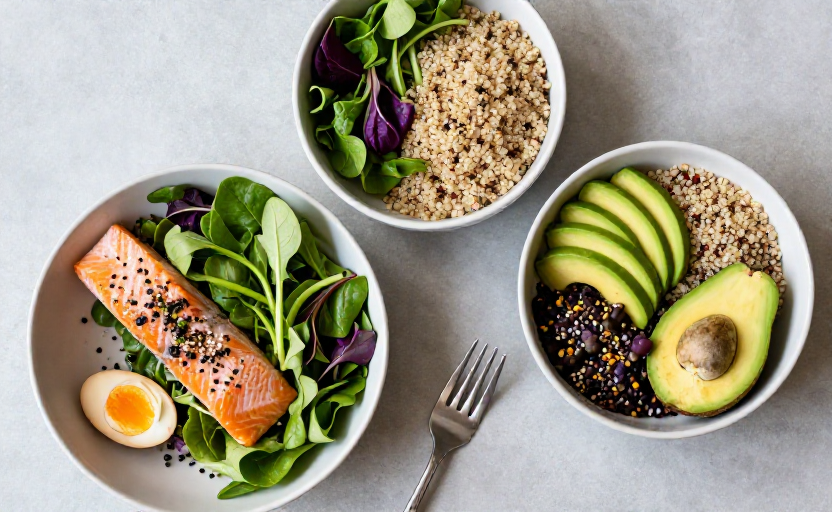
This is a versatile, no-recipe-required approach that ensures a balanced plate. The formula is simple: combine a quality protein, a complex carbohydrate, plenty of colorful vegetables, and a healthy fat. This combination provides steady energy, fiber for gut health (closely linked to hormone metabolism), and a broad spectrum of nutrients.
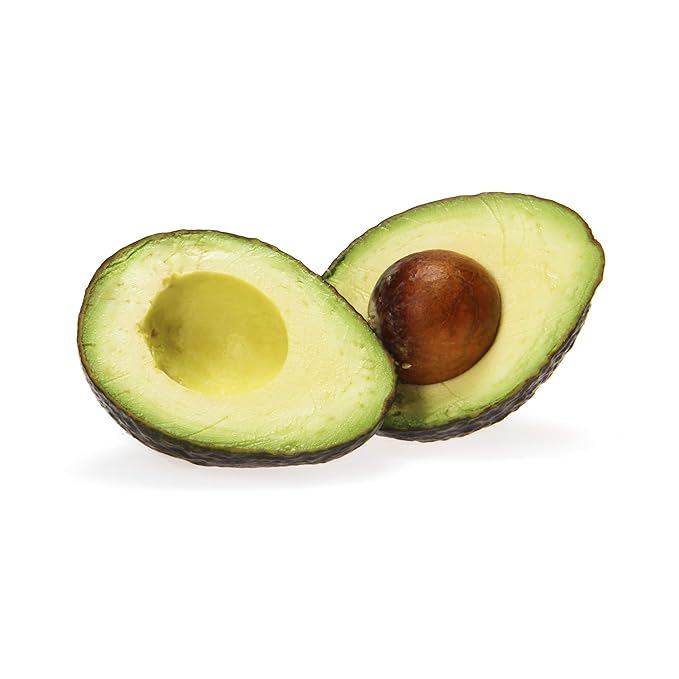
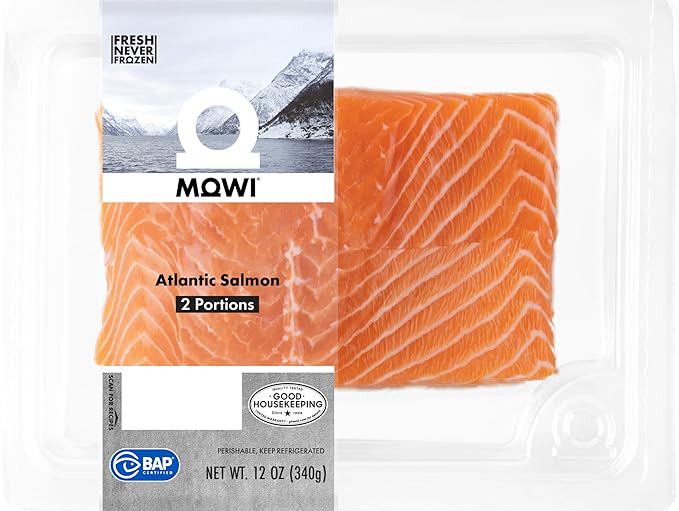
For your protein, think grilled salmon or chicken, lentils, chickpeas, or tofu. Complex carbs like quinoa, sweet potato, brown rice, or farro offer sustained fuel. Load up on non-starchy vegetables—broccoli, kale, bell peppers, zucchini—either roasted, steamed, or raw. Finally, add your fat: a generous drizzle of olive oil, a handful of avocado, or a sprinkle of seeds or nuts.
This pattern is excellent for supporting stable blood sugar, a key factor in managing energy and mood fluctuations during hormonal transition.
Why it supports the transition
The balanced macronutrients prevent energy crashes. Salmon provides omega-3s for reducing inflammation; leafy greens offer magnesium and folate; seeds add zinc and vitamin E. It’s a comprehensive, building-block approach to daily nutrition.
Meal Pattern 2: The Nutrient-Dense Hash
Perfect for breakfast or a hearty lunch, a hash centers on sautéed vegetables as the star. Start by cooking onions and garlic in olive oil or avocado oil. Add a base of cruciferous vegetables like chopped kale, broccoli, or Brussels sprouts—these are powerhouses for supporting the liver’s processing of hormones. Then, incorporate other vegetables you have on hand: mushrooms, spinach, or peppers.
For substance and protein, mix in black beans, cubed tempeh, or leftover shredded chicken. Season generously with herbs like turmeric, rosemary, or thyme, which have natural anti-inflammatory properties. Top with a fried or poached egg for an extra boost of choline and B vitamins, or with avocado for creamy, healthy fats.
Why it supports the transition
This pattern is particularly rich in fiber and sulfur-containing compounds from the allium and cruciferous families, which actively support the body’s natural elimination pathways. The combination of fiber, protein, and fat is deeply satiating and helps modulate appetite, which can sometimes shift post-contraceptive.
Meal Pattern 3: The Omega-Rich Assembly
This pattern focuses explicitly on incorporating foods high in omega-3 fatty acids, which are fundamental for hormone structure and help balance the body’s inflammatory response. It’s less about a hot meal and more about a strategic assembly of key ingredients.
Think of a large salad with sardines or wild-canned salmon as the protein. Or, a snack plate with smoked trout, cucumber slices, and a side of olives. For a plant-based option, create a bowl with a base of greens, walnuts, ground flaxseed, and hemp hearts. A smoothie made with spinach, frozen berries, flax oil, and a scoop of pumpkin seed protein is another easy delivery method.
Regular intake of omega-3s is linked to improved cycle regularity and mood support, making them a priority nutrient during this time.
Why it supports the transition
Omega-3 fatty acids (EPA and DHA) are essential, meaning your body cannot make them—they must come from food. They are direct precursors to hormone-like substances that help regulate inflammation and are crucial for brain health, which can be beneficial as your neurochemistry adjusts.
Foods to embrace and a gentle approach to balance
Alongside these patterns, consistently including certain foods can be beneficial. Focus on:
- Zinc-rich foods: Pumpkin seeds, chickpeas, lentils, and grass-fed beef.
- Magnesium-rich foods: Spinach, Swiss chard, almonds, black beans, and dark chocolate (85% or higher).
- B vitamin sources: Nutritional yeast, eggs, legumes, and leafy greens.
Conversely, it can be helpful to be mindful of elements that might add stress to your system. This isn’t about elimination, but about noticing. Highly processed foods and added sugars can contribute to inflammation and blood sugar spikes. Excessive caffeine and alcohol can place additional burden on the liver and affect sleep quality, which is paramount for hormonal health. The aim is awareness, not perfection.
Remember, this transition is unique to you. Patience is as important as nutrition. It can take several months for your cycle to find its natural rhythm. These meal patterns are a way to care for yourself with kindness, providing consistent, nutrient-dense support as your body does its remarkable work of recalibration.