When thinking about reproductive health and fertility, it’s easy to focus on a single nutrient or a specific “superfood.” But the foundation of a supportive diet is built on consistent, balanced meal patterns. These patterns ensure your body receives a steady stream of the vitamins, minerals, antioxidants, and healthy fats it needs to nurture hormonal balance, egg and sperm quality, and a welcoming uterine environment. Let’s explore three practical, nutrient-dense ways to structure your meals.
The Mediterranean-Inspired Pattern
This pattern isn't about a strict diet; it's a style of eating celebrated for its anti-inflammatory benefits and rich supply of fertility-friendly nutrients. It emphasizes whole foods, healthy fats, and plant-based diversity.
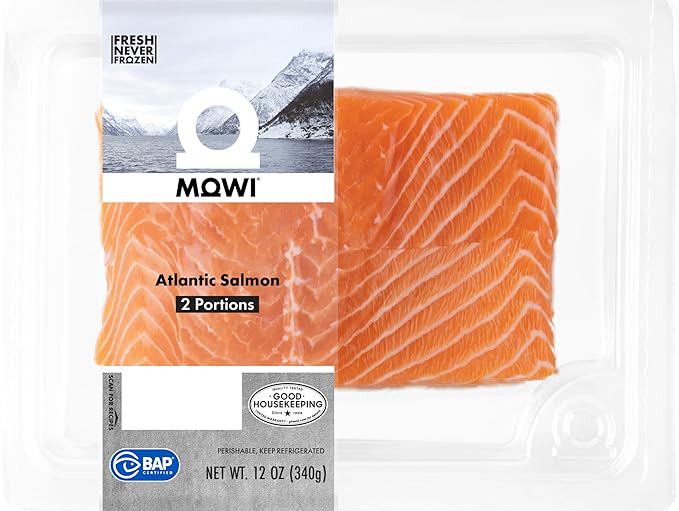
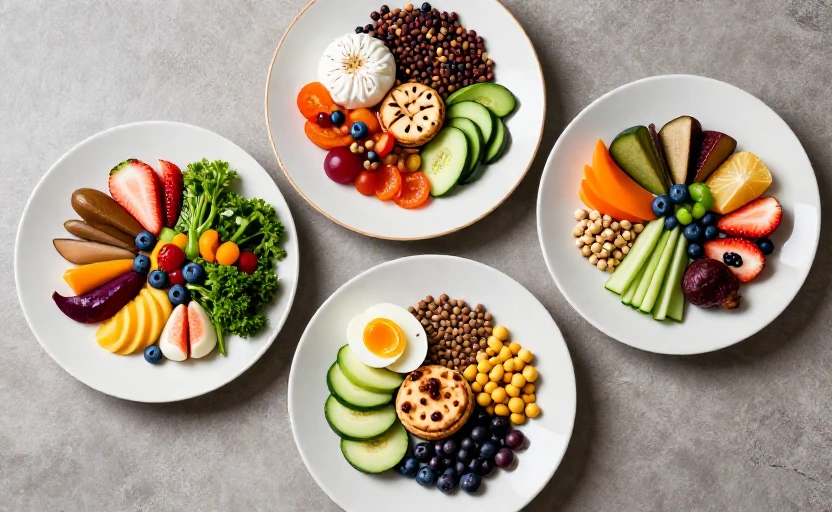
Picture a plate anchored by colorful vegetables and leafy greens, which provide folate—a crucial B-vitamin for early fetal development. Add a serving of fatty fish like salmon or sardines a few times a week for omega-3 fatty acids, which support hormone regulation and may improve egg quality. Whole grains like quinoa or farro and legumes offer sustained energy, fiber, and zinc, a mineral vital for reproductive hormone production. The cornerstone of this pattern is extra virgin olive oil, a source of monounsaturated fats and antioxidants that help combat oxidative stress, a factor that can impact reproductive cells.
Think of this pattern as building a colorful, plant-forward plate with fish as a frequent guest and olive oil as your go-to fat.
The Blood Sugar Balancing Pattern
Keeping blood sugar levels stable is a key, yet often overlooked, aspect of reproductive health. Sharp spikes and crashes in blood sugar can disrupt the delicate balance of hormones like insulin, which is closely linked to ovulation. This pattern focuses on combining macronutrients at every meal and snack to create a slow, steady release of energy.
Start by including a source of high-quality protein—think eggs, Greek yogurt, lentils, or chicken—with each meal. Pair it with a complex carbohydrate, like sweet potato, oats, or whole-grain bread, and a generous serving of non-starchy vegetables or a small portion of fruit. The fiber from the veggies and the protein work together to slow digestion. A helpful habit is to eat your vegetables and protein first, followed by carbohydrates, to further moderate the glucose response. For snacks, combine an apple with a handful of almonds, or carrot sticks with hummus.
This approach supports hormonal harmony and can be particularly supportive for conditions like polycystic ovary syndrome (PCOS), where insulin resistance is common.
The Antioxidant-Rich, Whole-Food Pattern
Oxidative stress occurs when there’s an imbalance between free radicals and antioxidants in the body, which can affect egg and sperm quality. This meal pattern is designed to flood your system with protective compounds from whole food sources.
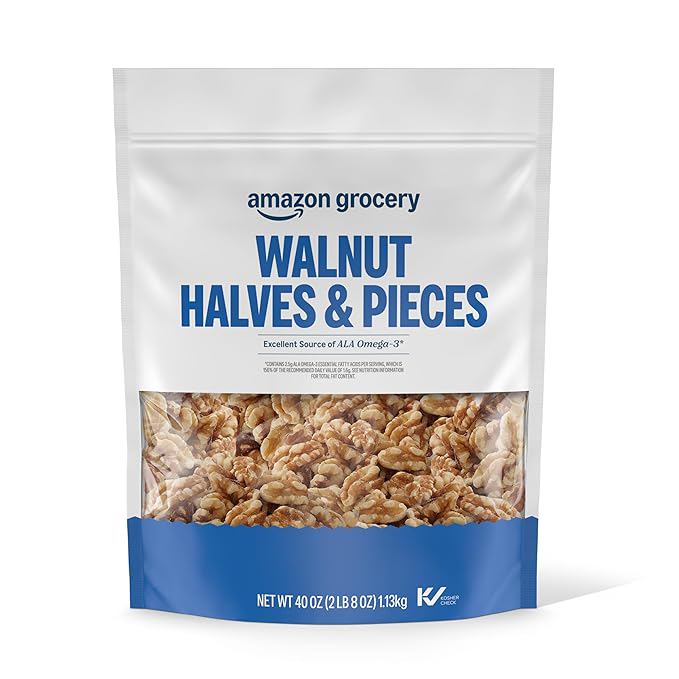
It prioritizes foods bursting with vitamins C and E, selenium, and beta-carotene. Build your meals around berries, citrus fruits, nuts, seeds, and deeply colored vegetables like spinach, bell peppers, and tomatoes. A handful of walnuts or pumpkin seeds makes a powerful snack, offering both antioxidants and healthy fats. Incorporate beans and lentils, which are not only great plant-based proteins but also rich in zinc and folate. Instead of processed oils, use avocado or nut butters to add creaminess and nutrients.
The goal is to “eat the rainbow” daily, ensuring a broad spectrum of protective plant compounds supports your reproductive system.
Bringing the Patterns Together
These patterns are not mutually exclusive; they beautifully overlap. A Mediterranean-style lunch is inherently rich in antioxidants. A blood-sugar-balancing snack of berries and walnuts fits perfectly into the antioxidant-rich pattern. The most supportive approach is to pull principles from each that resonate with you.
Focus on what you can add to your plate—more colors, more healthy fats, more fiber—rather than on restriction. Consistency with any of these nutrient-dense frameworks is more impactful than perfection with a single meal. Remember, this is about nourishing your body with intention, creating a foundation of wellness from which reproductive health can flourish.
Always consult with a healthcare provider or a registered dietitian for guidance tailored to your personal health history and needs. They can help you adapt these patterns to support your unique journey.