
Ovarian cysts are fluid-filled sacs that form on or inside the ovaries. Most are harmless and resolve on their own, but recurrent or large cysts can cause discomfort, bloating, and anxiety. If you are trying to reduce your risk, certain well-meaning habits may actually work against you. Here are three common mistakes women make when attempting to prevent ovarian cysts—and what to do instead.
Mistake #1: Overusing hormonal birth control to suppress cysts
It is true that hormonal contraceptives—like the pill, patch, or ring—can prevent ovulation, which in turn reduces the formation of functional cysts (follicular and corpus luteum cysts). However, relying on them as a long-term prevention strategy without medical oversight can backfire. Some women experience breakthrough cysts, mood changes, or other side effects that outweigh the benefits. More importantly, hormonal birth control does not address the underlying causes of cyst formation, such as insulin resistance, inflammation, or endometriosis.
A better approach: If you are using birth control primarily for cyst prevention, talk to your doctor about the lowest effective dose and whether periodic breaks are appropriate. For non-functional cysts (like dermoids or cystadenomas), hormonal suppression is not effective anyway.
Mistake #2: Ignoring blood sugar and insulin levels
Many women focus exclusively on reproductive organs and forget that ovarian function is deeply tied to metabolic health. High insulin levels—common with diets high in refined sugar and starches—can stimulate the ovaries to produce excess androgens. This hormonal imbalance increases the risk of developing multiple small cysts, particularly in polycystic ovary syndrome (PCOS).
Even if you do not have PCOS, unstable blood sugar can disrupt ovulation and create a cycle of cyst formation. Yet many prevention plans ignore diet entirely.
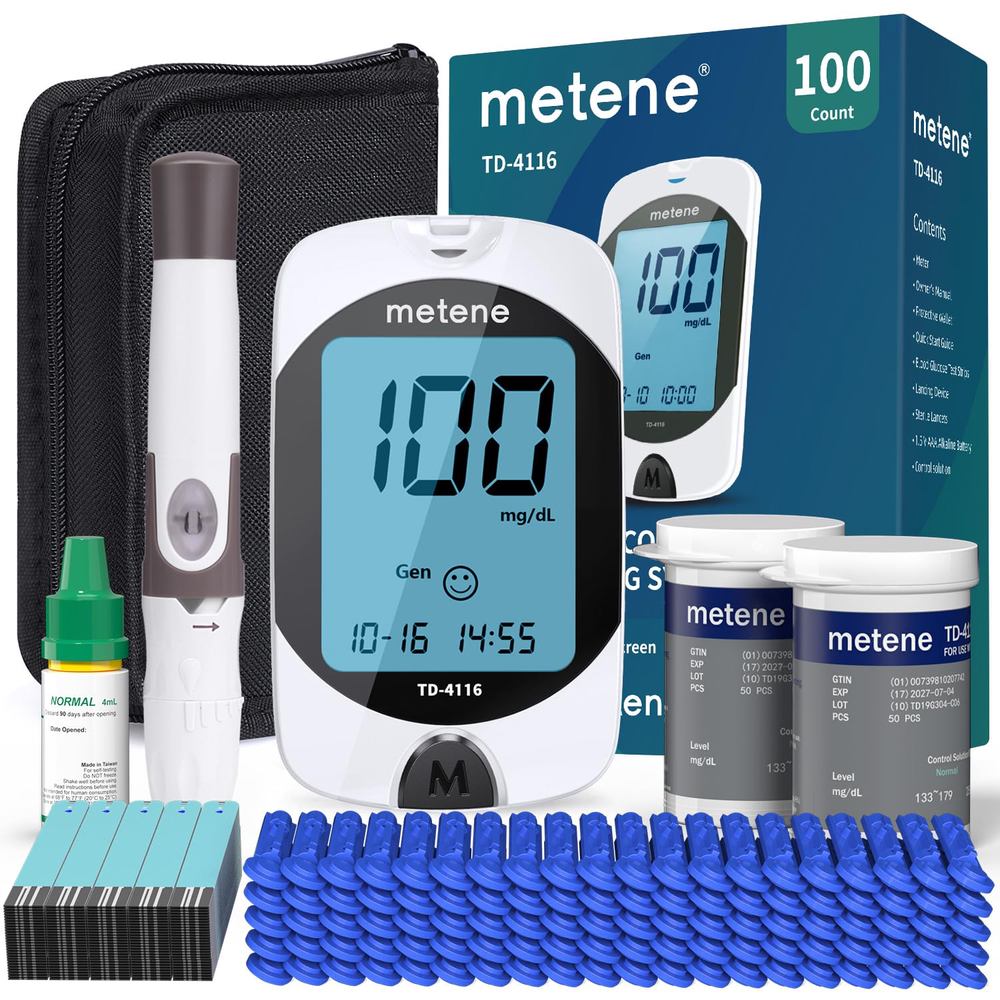
A better approach: Prioritize a balanced diet with adequate protein, fiber, and healthy fats. Limit sugary beverages, white bread, and pastries. A continuous glucose monitor or simple dietary tracking can reveal patterns you might otherwise miss.
Mistake #3: Taking unregulated supplements without a clear purpose
The supplement industry is full of products marketed for “ovarian health” or “hormone balance.” It is tempting to grab a bottle of vitex (chasteberry), DIM, or myo-inositol because a friend or influencer recommended it. The problem is that these compounds work through specific biochemical pathways—and taking them without knowing your hormone profile can actually worsen the situation.
For example, vitex raises progesterone and lowers estrogen in some women, but if your progesterone is already normal, it can cause irregular cycles. Similarly, too much iodine can trigger thyroid dysfunction, which in turn affects ovarian function.
A better approach: Before starting any supplement, get a full hormone panel (including thyroid, fasting insulin, and sex hormones) from your doctor. Choose one targeted intervention at a time, and monitor symptoms for at least three months before adding more.
Additional context: what actually reduces cyst risk
While avoiding these mistakes is important, it helps to understand the broader picture. Ovarian cysts are not all caused by the same thing. Functional cysts stem from the menstrual cycle itself; pathological cysts (endometriomas, dermoids, cystadenomas) have different origins. Prevention strategies must match the type.
- Maintain a healthy body weight: Excess fat tissue produces estrogen, which can stimulate ovarian cyst growth.
- Manage stress: Chronic stress raises cortisol and disrupts ovulation, making functional cysts more likely.
- Stay active: Regular moderate exercise improves insulin sensitivity and lowers inflammation.
It is also worth noting that many cysts are genetic or random—no amount of prevention guarantees you will never get one. The goal is to reduce frequency and severity, not to achieve perfection.
When to see a doctor
If you experience sudden sharp pelvic pain, pain with sex, irregular bleeding, or feeling full quickly when eating, you should see a provider. They will likely order a transvaginal ultrasound to determine the cyst type. Most cysts require no treatment other than watchful waiting, but large or persistent ones may need surgical removal.
By avoiding these three mistakes—over-relying on hormones, neglecting blood sugar, and self-prescribing supplements—you can build a smarter, safer approach to ovarian cyst prevention.