
Heavy menstrual bleeding—what doctors call menorrhagia—is one of those health issues that many women try to handle quietly, on their own. You might tell yourself it's just how your cycle is, or that you don't have time to see a doctor about something so routine. But managing heavy periods without professional guidance can lead to bigger problems, from severe anemia to missing a treatable underlying condition. Here are three common mistakes to avoid if you're trying to manage heavy periods by yourself.
Mistake #1: Relying Only on Over-the-Counter Pain Relievers
It makes sense to reach for ibuprofen or naproxen when cramps hit hard. But using pain relievers as your only strategy—especially in high doses or for many days each cycle—misses the bigger picture. Nonsteroidal anti-inflammatory drugs (NSAIDs) can actually help reduce menstrual blood loss slightly, but they don't address why you're bleeding heavily in the first place. Relying on them month after month can delay diagnosis of issues like fibroids, polyps, endometriosis, or a bleeding disorder.
Tip: Pain medication can be part of your plan, but it shouldn't be the whole plan. Use it as a short-term comfort measure while you work with a healthcare provider to find out what's causing the heavy flow.
Mistake #2: Sticking With Inadequate Menstrual Products
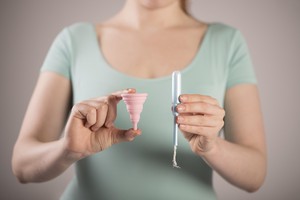
Many women with heavy periods try to get by with regular or even super tampons and pads, changing them far more often than recommended. This isn't just inconvenient—it can be unsafe. Wearing a tampon for more than four to eight hours during heavy bleeding increases the risk of leaking, skin irritation, and in rare cases, toxic shock syndrome. Pads designed for overnight or postpartum use absorb more, but if you're saturating a pad every hour or less, that's a medical concern. Menstrual cups hold more than most tampons, but they still require frequent emptying during heavy flow days.
The real issue isn't just what product you use; it's what the need for frequent changes tells you about your bleeding volume. Soaking through a pad or tampon every hour for several consecutive hours is a classic sign that your bleeding is too heavy.
Mistake #3: Ignoring the Impact on Your Daily Life and Health
It's easy to normalize heavy periods when you've had them for years. But the effects add up. Chronic heavy bleeding is the leading cause of iron-deficiency anemia in women of reproductive age. Anemia can leave you feeling exhausted, short of breath, dizzy, and foggy-headed. It can also worsen mood and reduce your ability to exercise or concentrate at work.
Beyond anemia, very heavy periods can signal hormonal imbalances, thyroid problems, or structural issues in your uterus. Living around your cycle—planning your schedule around when you might soak through clothes or skip social events—is not a sustainable solution. You deserve to have a period that doesn't control your life.
When to See a Doctor
If you're experiencing any of the following, it's time to make an appointment, not just rearrange your calendar:
- Bleeding that soaks through one or more pads or tampons every hour for several hours in a row
- Bleeding that lasts longer than seven days
- Passing clots larger than a quarter
- Feeling extremely tired, pale, or short of breath during or after your period
- Needing to change products during the night
- Bleeding that interferes with work, school, or social life month after month
A doctor can run basic blood tests to check your iron levels, perform an ultrasound to look for structural causes, and discuss treatment options like hormonal birth control, tranexamic acid, or a levonorgestrel intrauterine device (IUD) that lightens bleeding directly.
What You Can Do Right Now
While you wait for your appointment, track your bleeding in a simple calendar or app. Note how many pads or tampons you use each day, how often you change them, clot size, and your energy levels. This log is incredibly useful for a healthcare provider and helps you see patterns you might have dismissed.
If you suspect anemia, adding iron-rich foods like spinach, lentils, and lean red meat to your diet can help, but don't rely on diet alone to fix a significant deficiency. A simple ferritin blood test can tell you if your iron stores are low.
Bottom line: Managing heavy periods on your own too often means accepting something that is treatable. The three mistakes above—ignoring root causes, using the wrong products, and overlooking health effects—can keep you stuck in a cycle of suffering. There is good help available. You do not have to manage this alone.