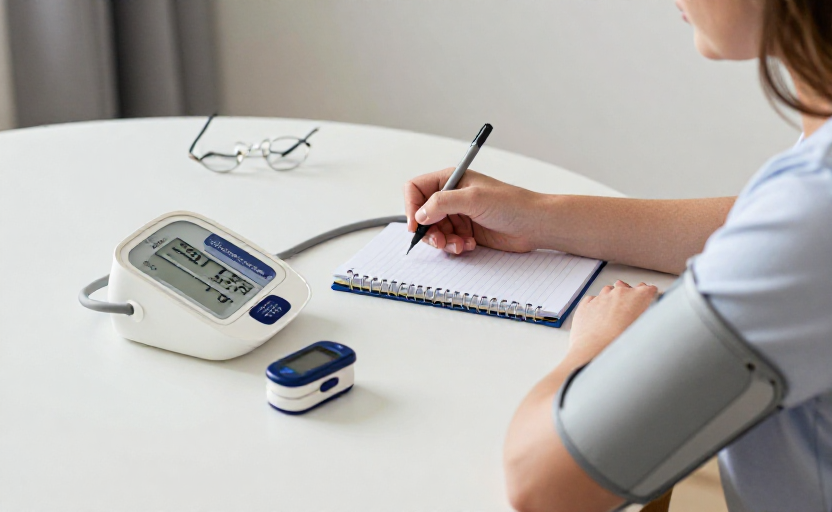
Living with a heart valve condition means paying close attention to how you feel from day to day. Your doctor has likely told you to watch for certain changes—shortness of breath, unusual fatigue, swelling, or a fluttering sensation in your chest. The goal is to catch small shifts before they become serious problems. But home monitoring is harder than it sounds. Even well-intentioned people slip into habits that obscure the real picture. Here are three common mistakes people make when monitoring heart valve symptoms at home—and how to avoid each one.
Mistake #1: Only paying attention during “bad” days
It’s natural to zero in on days when you feel lousy. A sudden wave of breathlessness or a racing heart grabs your attention. But focusing solely on flare-ups leaves you blind to subtle declines that build over weeks. A heart valve problem often worsens gradually. You might compensate without realizing it—taking the elevator instead of the stairs, sitting down to catch your breath after a short walk, or napping longer than you used to. These quiet accommodations can mask a real change.
The fix is to record a consistent snapshot at the same time each day. Pick a moment, perhaps after breakfast, and note your breathing effort, heart rate, and energy level on a simple 1-to-5 scale. Keeping a brief daily log—even on good days—reveals trends that a spot check of “bad” moments never will. That baseline data is gold for your cardiologist.
Mistake #2: Confusing anxiety symptoms with valve symptoms
Heart symptoms and anxiety symptoms overlap in frustrating ways. A pounding heart, chest tightness, dizziness, and a sense of breathlessness can come from either source. When you are already worried about your valve, it is easy to interpret every flutter or skipped beat as evidence that things are getting worse. The result is a feedback loop: the more you check, the more anxious you become, and the more symptoms you notice.
This does not mean your concerns are not real. But it means you need a way to tell the two apart. One practical strategy is to notice the timing. Ask yourself: Did this start during a moment of calm, or right after a stressful thought? Can you change your breathing by deliberately slowing it down? Symptoms that soften when you redirect your focus are more likely tied to anxiety than to a change in valve function. That is worth discussing with your doctor, but it is also a cue to step back from panic-mode monitoring. A calm, neutral observation—like “I noticed an irregular beat once this morning, but my breathing was normal the rest of the hour”—is much more useful than a fearful report of “I feel like something is wrong.”
Mistake #3: Relying on a home device without understanding its limits
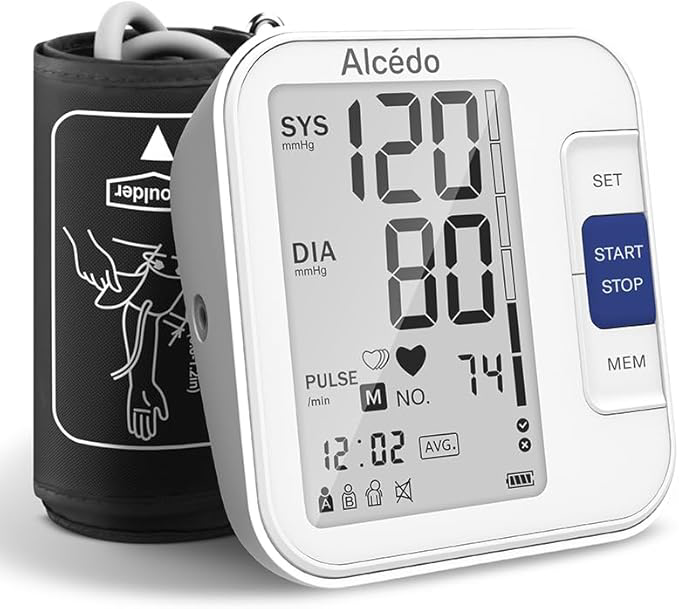
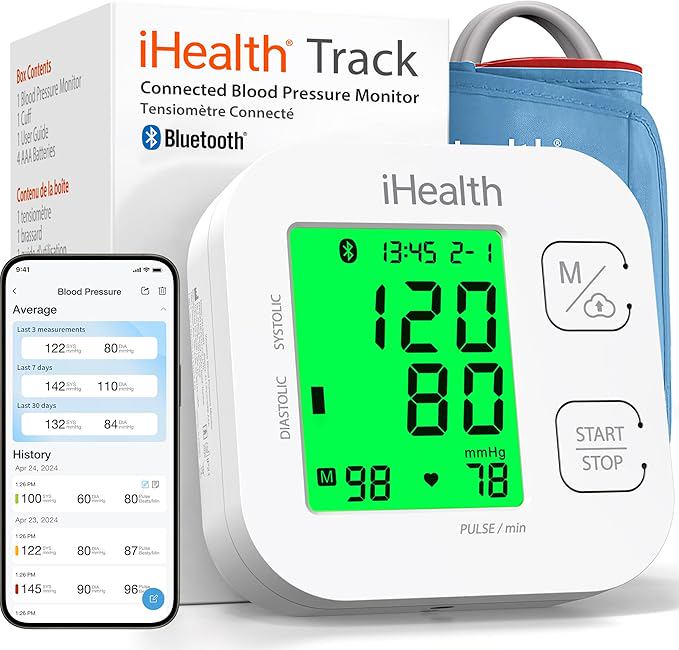
Home blood pressure cuffs, pulse oximeters, and even some consumer ECG gadgets are popular tools for heart patients. They can provide helpful data, but only if you understand what they can and cannot tell you. A pulse oximeter, for example, might show 98% oxygen saturation while you are sitting still, but it will not detect the breathlessness you feel when you walk up a flight of stairs. A home blood pressure cuff measures arm pressure, not the pressure gradient across your valve. A single-lead ECG can spot atrial fibrillation, but it cannot assess whether your aortic stenosis is progressing.
The mistake is treating these numbers as final verdicts. A “normal” reading can give false reassurance, while a borderline reading can spark unnecessary worry. The better approach is to use devices as one piece of a larger picture. Pair numerical data with a symptom note: “Sat O2 97% at rest, but felt winded walking to the mailbox.” And always follow your doctor’s specific instructions for when to call the office based on numbers, not your own interpretation of what seems safe.
Stick to a consistent daily log, separate anxiety from true valve signs, and use home devices as tools—not truth-tellers. That combination keeps you aware without being overwhelmed.
When to call the doctor
Home monitoring is about identifying changes, not making treatment decisions. You should contact your care team if you notice new or worsening shortness of breath, swelling in your ankles or legs that doesn’t go away overnight, chest pain or pressure that lasts more than a few minutes, sudden dizziness or fainting, or a rapid weight gain of 2–3 pounds in a day or 5 pounds in a week. Those signals warrant a professional assessment regardless of what your home devices say.
Monitoring at home puts you in an active role, which is empowering. But clarity comes from consistency, honest self-observation, and knowing where your tools stop and your doctor begins. Avoid these three mistakes, and your daily check-in will serve both you and your healthcare team much better.