When you're thinking about conceiving, the quality of your diet matters more than ever. Among the nutrients that deserve early attention, iron stands out for its role in supporting healthy blood volume, oxygen delivery, and fetal development. Low iron stores before pregnancy can increase the risk of anemia and complications later on. That's why dietitians routinely recommend focusing on iron-rich foods well before a positive test.
Here are three top iron-rich foods to include in a pre-pregnancy diet, with practical tips on how to get the most from them.
Why iron matters before pregnancy
Iron is essential for producing hemoglobin, the protein in red blood cells that carries oxygen throughout the body. During pregnancy, blood volume expands by nearly 50%, creating a much higher demand for iron. If stores are low at the start, it becomes harder to meet that demand, which can lead to iron-deficiency anemia. Even mild anemia during pregnancy has been linked to fatigue, preterm birth, and low birth weight. Building iron reserves beforehand gives you a valuable head start.
There are two types of iron in food: heme iron (from animal sources), which is more easily absorbed, and non-heme iron (from plant sources), which is less absorbable but can be enhanced with smart pairings. The foods below include both types, so you can build a balanced approach no matter your eating pattern.
1. Lean red meat
Beef and lamb are among the richest sources of highly absorbable heme iron. A 3-ounce serving of lean beef provides about 2 to 3 milligrams of iron — a meaningful contribution toward the 18 milligrams per day recommended for women of reproductive age.
Beyond iron, red meat also supplies zinc and vitamin B12, both important for fertility and early fetal development. The key is choosing lean cuts (such as sirloin, tenderloin, or 93% lean ground beef) and keeping portions moderate — roughly the size of a deck of cards. If you don't eat red meat, you can get similar benefits from poultry, though the iron content per serving is lower.
Dietitian tip: Pair red meat with a source of vitamin C — like sautéed spinach with lemon or a side of bell peppers — to further boost iron absorption.
2. Spinach and dark leafy greens
Spinach, kale, and Swiss chard are excellent plant-based sources of non-heme iron. One cup of cooked spinach delivers around 6 milligrams of iron, more than many animal-based options. The catch? Non-heme iron is less readily absorbed by the body, so preparation matters.
Cooking greens reduces their volume and breaks down oxalic acid, a compound that can interfere with iron absorption. That means a heap of sautéed spinach is far more effective than a raw salad when it comes to iron availability. You can also eat them alongside other iron-rich ingredients — think lentil soup with Swiss chard or a spinach and tomato stir-fry.
These greens also provide folate, another critical nutrient for early pregnancy that supports neural tube development before many people even know they're pregnant.
3. Legumes: lentils, chickpeas, and beans
Lentils are a standout source of both iron and protein. One cup of cooked lentils offers about 6 milligrams of iron, along with fiber, folate, and magnesium. Black beans, kidney beans, and chickpeas are also solid choices, providing roughly 4 to 5 milligrams per cup.
Because plant-based iron is less absorbable on its own, the classic pairing with vitamin C is key. Toss chickpeas with lemon-tahini dressing, add diced tomatoes to lentil soup, or serve black beans with a side of red bell pepper. This simple habit can make a real difference in how much iron you actually use.
For anyone following a vegetarian or vegan diet, legumes often become the centerpiece of iron intake — and they work well in meals like curries, grain bowls, and veggie burgers.
Simple ways to improve iron absorption
Even when you eat plenty of iron-rich foods, how you combine them can increase or reduce absorption. Here are a few strategies that dietitians find helpful:
- Add vitamin C at every meal. Citrus fruits, strawberries, bell peppers, broccoli, and tomatoes all enhance non-heme iron absorption by as much as six times.
- Separate tea and coffee from iron-rich meals. Tannins in these drinks can block iron absorption. Wait at least an hour after eating before enjoying your cup.
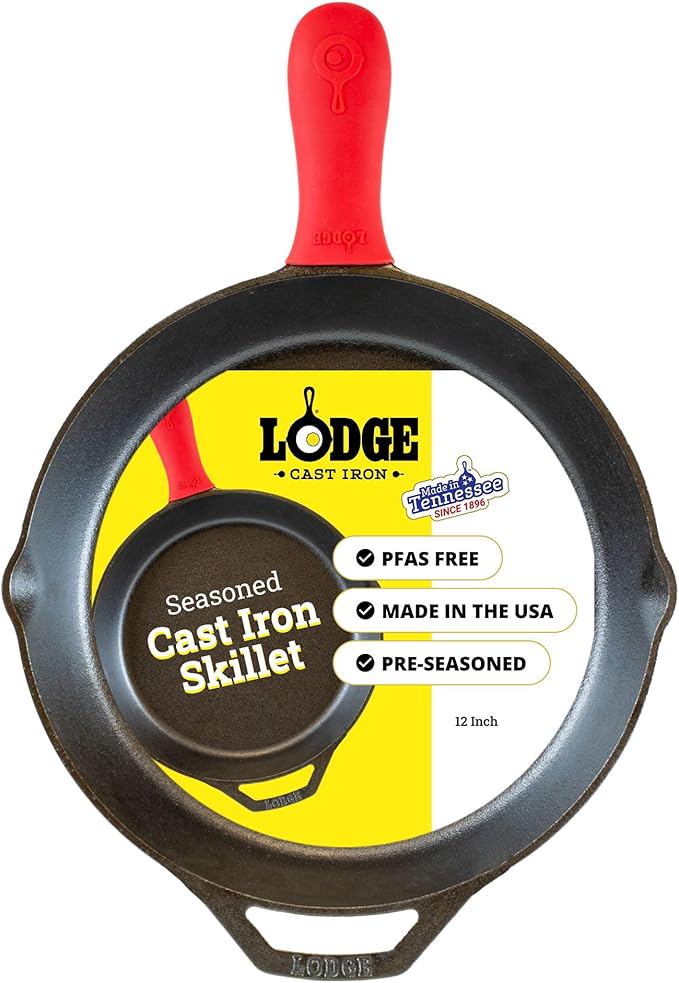
- Cook in a cast-iron skillet. Small amounts of iron transfer into food during cooking, especially with acidic foods like tomato sauce.
- Avoid calcium supplements with iron-rich meals. Calcium can interfere with iron absorption. If you take a calcium supplement, consider taking it at a different time of day.
Should you take an iron supplement before pregnancy?
Many prenatal vitamins contain iron, but the iron needs of each person vary. A blood test can tell you whether your iron stores (measured by ferritin levels) are adequate. For some, a low-dose supplement may be appropriate, but high-dose iron can cause side effects like constipation and nausea. It's always smart to talk with your healthcare provider or a registered dietitian before starting a new supplement, especially before pregnancy.
Building your iron stores through whole foods first — while using supplements as a strategic backup — is the approach most dietitians recommend for the pre-pregnancy period.
Disclaimer: This article is for educational purposes only and does not constitute medical advice. Always consult a qualified healthcare provider for guidance tailored to your personal health and pregnancy planning.