We all know we should drink more water. It’s one of the most basic pieces of health advice, repeated so often it can start to feel like background noise. Yet, despite our best intentions, many of us fall into subtle patterns that quietly undermine our hydration goals. The issue isn’t always a lack of effort, but a misunderstanding of how our bodies use water and where we lose it throughout the day.
Proper hydration supports everything from cognitive function and joint lubrication to temperature regulation and digestion. When we’re even mildly dehydrated, we might notice fatigue, headaches, or difficulty concentrating. The good news is that by identifying a few common missteps, you can make small, sustainable adjustments that add up to a significant difference in how you feel.
Mistake 1: Relying Solely on Thirst as Your Guide
Thirst is your body’s built-in alarm system, signaling that you’re already beginning to dehydrate. By the time you feel thirsty, you’re playing catch-up. This is especially true as we age, as the thirst sensation can become less acute. Furthermore, a busy day can easily drown out those subtle cues. You might mistake thirst for hunger, reach for a snack, and miss the signal entirely.
Think of thirst as a low-fuel light, not a reminder to start with a full tank.
The fix here is proactive, not reactive. Establish hydration habits that don’t depend on a dry mouth.
- Start your day with a glass of water. After hours of sleep, your body is naturally in a deficit. A glass upon waking helps rehydrate your system first thing.
- Pair water with routine activities. Drink a glass before each meal, after your morning coffee, or every time you take a work break. This habit-stacking technique builds hydration into your existing rhythm.
- Keep water visible. A bottle on your desk or a pitcher on the kitchen counter serves as a constant, gentle visual prompt.
Mistake 2: Overlooking Electrolytes, Especially During Activity
Water is only half the hydration equation. Electrolytes—minerals like sodium, potassium, and magnesium—are essential for helping your cells actually absorb and hold onto that water. When you sweat, you lose both fluid and these key minerals. Drinking large amounts of plain water without replenishing electrolytes, particularly during or after intense exercise, a sweaty day, or even a stressful period, can dilute the electrolytes remaining in your body. This can lead to an imbalance, sometimes making you feel even more thirsty or causing muscle cramps, despite having drunk plenty.
This doesn’t mean you need a sports drink with every sip. For most daily activities, a balanced diet provides sufficient electrolytes. The fix is about mindful inclusion, especially when needs are higher.
- Replenish after sweating. After a long workout, a hot day in the sun, or any activity where you’ve perspired noticeably, consider an electrolyte source. This could be as simple as a snack like a banana with a pinch of salt or a small serving of nuts.
- Incorporate electrolyte-rich foods daily. Foods like leafy greens, avocados, yogurt, beans, and sweet potatoes are excellent natural sources of potassium and magnesium.
- Listen to your cravings. A sudden desire for something salty after exertion might be your body’s way of asking for sodium to help rebalance.
Mistake 3: Forgetting That Hydration Comes From Food, Too
We often think of hydration as a liquid-only endeavor, but what you eat contributes significantly to your total fluid intake. Many fruits and vegetables are over 80% water by weight. Ignoring this source means you might be missing out on a substantial portion of your daily hydration, along with valuable fiber and nutrients.
A diet centered on processed foods, which are typically very low in water content, can inadvertently set you up for a higher fluid requirement that’s harder to meet with drinks alone.
The fix is to consciously include high-water-content foods in your meals and snacks.
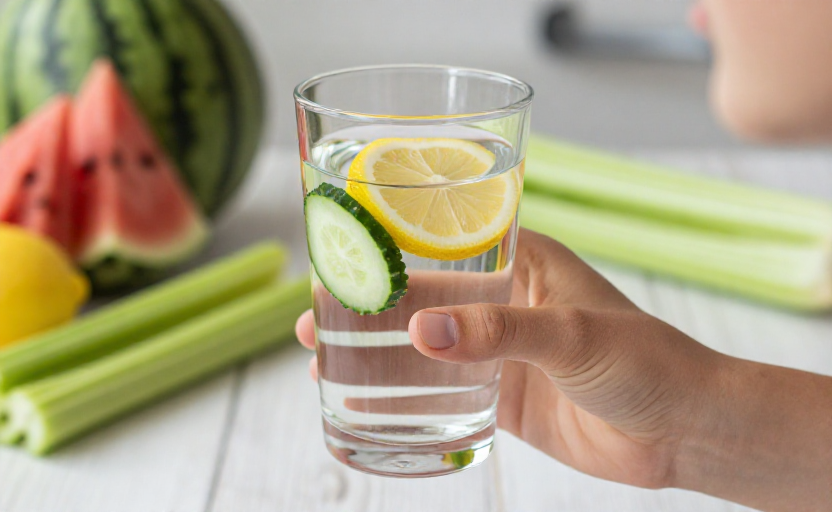
- Make produce a centerpiece. Cucumbers, celery, tomatoes, watermelon, strawberries, oranges, and lettuce are all hydration powerhouses. Add them to salads, snacks, and sides.
- Start with soup or salad. Beginning a meal with a broth-based soup or a large salad is a delicious way to boost your fluid intake at the same time.
- Swap dry snacks for hydrating ones. Instead of crackers or chips, try apple slices, carrot sticks, or a bowl of berries.
Hydration is a dynamic process, not a single task to check off. By moving beyond just “drinking more water” and paying attention to your cues, your activities, and your plate, you support your body’s fluid balance more holistically. The goal isn’t perfection, but awareness. Notice how you feel when you drink water consistently throughout the morning, or when you add a serving of vegetables to your lunch. These small, consistent fixes are far more powerful than occasional heroic efforts, helping you feel more energized and clear-headed every day.