Polycystic ovary syndrome (PCOS) is often discussed in terms of its most visible signs—irregular periods, excess hair growth, and acne. But many women live with subtler symptoms that don't always make it onto the typical checklist. These hidden struggles can be just as disruptive, quietly affecting energy, mood, and daily comfort.
The encouraging news is that targeted dietary adjustments can make a real difference for these less obvious PCOS symptoms. By addressing the underlying metabolic and hormonal imbalances, food choices become a powerful tool for relief. Here are three hidden PCOS symptoms that often improve with the right nutritional shifts.
1. Brain Fog and Mental Fatigue
You know that feeling when your thoughts are wrapped in cotton wool? For many with PCOS, it's a daily occurrence. Brain fog—difficulty concentrating, remembering details, or finding the right words—is a common but rarely discussed symptom. It stems largely from insulin resistance, a core feature of PCOS that affects how the brain uses glucose for fuel.
When insulin signaling is disrupted, the brain doesn't get a steady supply of energy, leading to mental sluggishness. Additionally, chronic low-grade inflammation, another hallmark of PCOS, can impair neurotransmitter function.
Dietary adjustments that help
Stabilizing blood sugar is the most effective way to clear brain fog. This doesn't mean eliminating carbohydrates entirely but choosing them wisely. Focus on:
- Low-glycemic carbohydrates like lentils, chickpeas, sweet potatoes, quinoa, and non-starchy vegetables. These release glucose slowly, providing a steady fuel source for the brain.
- Protein at every meal (eggs, poultry, fish, tofu, or Greek yogurt) to slow digestion and blunt blood sugar spikes.
- Healthy fats from avocado, olive oil, nuts, and seeds to support brain cell structure and reduce inflammation.
- Fiber-rich foods such as berries, leafy greens, and chia seeds, which help slow carbohydrate absorption.
Many women notice a marked improvement in mental clarity within a few weeks of adopting this pattern. One reader described it as "the fog lifting—like someone turned up the brightness on my brain."
2. Persistent Bloating and Digestive Discomfort
Bloating that doesn't go away, unpredictable bowel habits, and a feeling of fullness even after small meals are common in PCOS. The connection is twofold: first, insulin resistance slows gut motility, meaning food moves through the digestive tract more slowly. Second, PCOS is associated with an altered gut microbiome, with fewer beneficial bacteria and more pro-inflammatory species.
Dietary adjustments that help
Improving digestion starts with supporting gut health and reducing inflammation. Key shifts include:
- Increasing prebiotic fibers like those in asparagus, garlic, onions, oats, and bananas. These feed beneficial gut bacteria, promoting a healthier microbiome.
- Adding fermented foods such as sauerkraut, kimchi, kefir, or plain yogurt to introduce probiotics.
- Reducing high-FODMAP foods temporarily if bloating is severe. Foods like wheat, onions, garlic, and certain fruits (apples, pears, watermelon) can ferment quickly in the gut, causing gas. A short elimination period under guidance can identify triggers.
- Eating slowly and chewing thoroughly to reduce swallowed air and support digestion.
- Staying well-hydrated with water and herbal teas, which helps keep things moving.
Consistency matters more than perfection. Even small dietary tweaks can lead to less bloating and more comfortable digestion over time.
3. Unexplained Anxiety and Mood Swings
Mood disorders are three to four times more common in women with PCOS than in the general population. While it's easy to attribute anxiety to the stress of managing a chronic condition, there's a physiological link. Insulin resistance and chronic inflammation directly affect the brain's chemistry, altering the production and regulation of neurotransmitters like serotonin and dopamine. Additionally, hormonal fluctuations—particularly elevated androgens and low progesterone—can amplify anxiety and irritability.
Dietary adjustments that help
Calming the nervous system through food is a gentle but effective approach. Specific dietary strategies include:
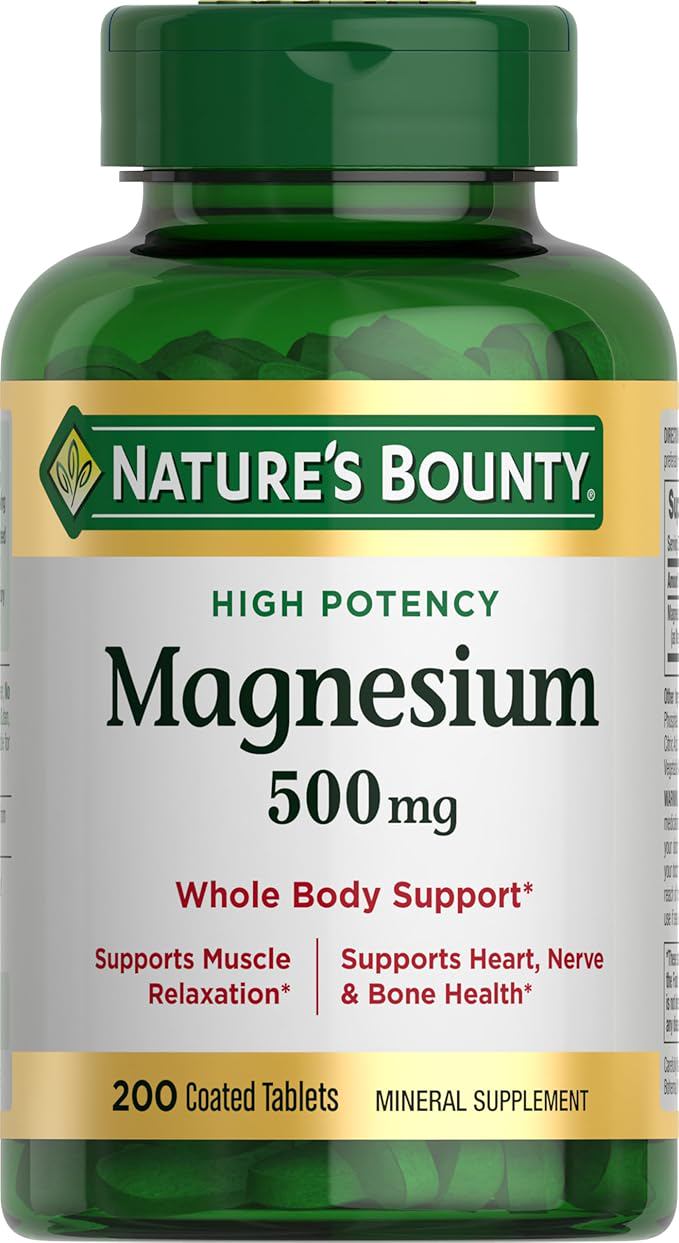
- Magnesium-rich foods: leafy greens, pumpkin seeds, almonds, and dark chocolate. Magnesium helps regulate the body's stress response and supports GABA, a calming neurotransmitter.
- Omega-3 fatty acids: found in fatty fish (salmon, mackerel, sardines), walnuts, and flaxseeds. Omega-3s reduce inflammation and have a stabilizing effect on mood.
- B vitamins: particularly B6, B12, and folate, which are involved in neurotransmitter synthesis. Sources include eggs, poultry, legumes, and dark leafy greens.
- Avoiding blood sugar crashes: skipping meals or eating high-sugar snacks can cause rapid drops in blood glucose, triggering adrenaline and anxiety. Regular meals with protein, fat, and fiber help maintain steady energy.
One woman shared that after shifting to a PCOS-friendly diet, "the constant edginess I felt every afternoon just vanished. I felt calmer, more even."
These hidden symptoms—brain fog, bloating, and anxiety—are not just "all in your head." They are real physiological consequences of PCOS that respond well to targeted dietary changes. By focusing on stable blood sugar, gut health, and anti-inflammatory nutrients, many women find relief beyond what they expected. As always, it's wise to work with a healthcare provider or dietitian familiar with PCOS to tailor these strategies to your individual needs.