When it comes to supporting a steady, normal heart rhythm, what you put on your dinner plate matters more than many people realize. While a single meal won't undo years of dietary habits, consistently choosing the right combination of nutrients can help maintain the electrical stability your heart needs to beat smoothly. We spoke with registered dietitians who specialize in cardiovascular health to identify three dinners that pack the most rhythm-supporting power.
These meals are designed to be practical for a weeknight, rich in key electrolytes like potassium and magnesium, and low in the inflammatory fats and excess sodium that can interfere with your heart's natural pace. Here are the three dinners they recommend most often.
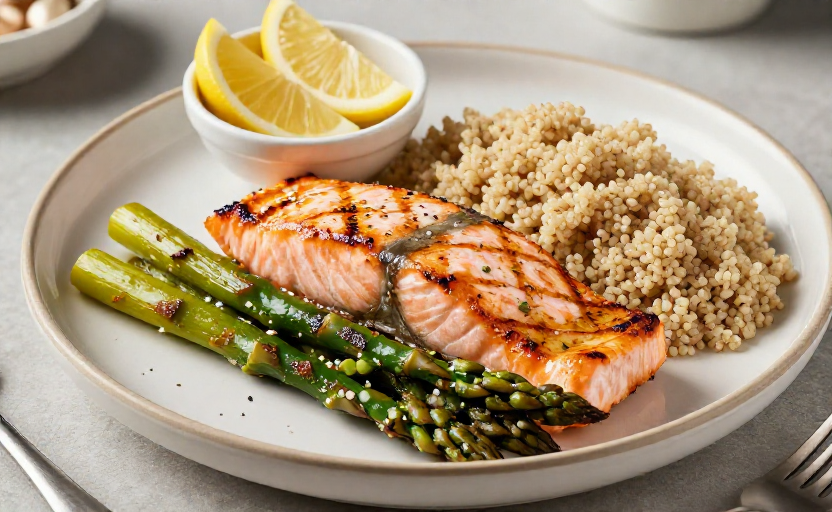
The Salmon & Asparagus Plate with Quinoa
This dinner is the top pick among the dietitians we consulted, and for good reason. Salmon is one of the richest food sources of omega-3 fatty acids, specifically EPA and DHA. These fats help reduce systemic inflammation and support the function of the cell membranes in your heart muscle, both of which are critical for maintaining a regular electrical impulse.
"Omega-3s from fatty fish help stabilize the membrane of heart cells, which makes them less prone to erratic firing," explains one dietitian we spoke with.
Pair the salmon with asparagus, a vegetable that provides a significant amount of folate and magnesium. Magnesium is a key mineral that helps regulate the flow of calcium and potassium across heart cell membranes—a process essential for a normal rhythm. A side of quinoa adds a dose of complex carbohydrates and additional magnesium. To keep the meal heart-rhythm friendly, prepare the salmon simply: grill or bake it with a little olive oil, lemon, and a pinch of salt. Avoid heavy, creamy sauces that add saturated fat and sodium.
Quick Sheet-Pan Version
For an easy weeknight version, place salmon fillets and trimmed asparagus on a sheet pan. Drizzle with olive oil, sprinkle with garlic powder and a little black pepper. Roast at 400°F for about 12-15 minutes. Serve over cooked quinoa tossed with a squeeze of lemon juice and fresh parsley.
White Bean & Spinach Stew with Avocado
This plant-forward dinner is a powerhouse for potassium, a mineral many people don't get enough of. Potassium works in close partnership with sodium to control the electrical signals that travel through your heart. A diet rich in potassium and relatively low in sodium helps maintain a healthy fluid balance and keeps the electrical system running smoothly.
White beans (cannellini or great northern) are an excellent source of both potassium and magnesium, plus they provide soluble fiber that helps manage cholesterol. Spinach adds a hit of magnesium and folate, along with nitrates that may help improve blood vessel flexibility. The finishing touch is a half an avocado, which supplies heart-healthy monounsaturated fat and additional potassium.
- The mineral trio: This stew delivers potassium (~700-900 mg per serving), magnesium (~80-100 mg), and calcium (~100-150 mg) in a single bowl.
- Low-sodium tip: Use dried beans cooked from scratch, or rinse canned beans thoroughly to remove up to 40% of the added sodium.
- Serving suggestion: Top the stew with a spoonful of plain Greek yogurt instead of cheese to keep saturated fat in check.
To make it, sauté an onion and two cloves of garlic in olive oil. Add 4 cups of low-sodium vegetable broth, two cans of rinsed white beans, and a pinch of red pepper flakes. Simmer for 10 minutes, then stir in 4 cups of fresh spinach until wilted. Serve in bowls topped with sliced avocado and a squeeze of lime.
Turkey & Sweet Potato Chili
Chili doesn't have to be a heavy, sodium-laden affair. This version uses lean ground turkey and a heavy dose of vegetables to create a meal that supports heart rhythm while being satisfying enough for the whole family. Sweet potatoes provide a generous amount of potassium and vitamin B6, which helps your body produce red blood cells and maintain nerve function, including the nerves that control your heart.
The key ingredient here is the combination of beans and vegetables. Most chili recipes already use kidney beans, which are high in magnesium and fiber. By adding diced sweet potatoes and bell peppers, you increase the potassium content significantly. The cumin, chili powder, and smoked paprika add flavor without relying on salt, which is crucial for blood pressure management. High blood pressure is a major risk factor for atrial fibrillation and other rhythm disorders.
"Most of the sodium in the American diet comes from processed foods, not the salt shaker. Making chili from scratch lets you control that completely," one dietitian notes.
For best results, brown the turkey in a pot, then set it aside. Sauté onions, diced sweet potatoes, and bell peppers in the same pot. Add chili powder, cumin, and smoked paprika. Return the turkey to the pot along with a can of diced tomatoes (no salt added) and a can of rinsed kidney beans. Simmer until the sweet potatoes are tender, about 20 minutes. Serve with a dollop of plain Greek yogurt or a few slices of avocado.
What to Avoid at Dinner for Heart Rhythm Support
While these three dinners focus on what to include, it's just as important to know what can disrupt your heart's normal rhythm. Dietitians advise limiting or avoiding the following at the evening meal:
- Excess sodium: A single high-sodium entree can cause fluid retention and raise blood pressure, putting strain on the heart. Aim for less than 600 mg per dinner serving.
- Heavy alcohol: More than one drink a day for women or two for men can increase the risk of atrial fibrillation. "Holiday heart syndrome" is the term doctors use for the irregular heartbeat that follows heavy drinking.
- Large, high-fat meals: Extremely fatty meals can trigger a temporary rise in blood pressure and heart rate, especially if you are prone to reflux, which can irritate the vagus nerve near the heart.
- Hidden caffeine in desserts: Some chocolate desserts, coffee-flavored treats, or even decaf coffee contain enough caffeine to be a trigger for sensitive individuals.
Remember that consistency is more important than perfection. Aim to build your dinners around vegetables, lean protein, legumes, and whole grains most nights of the week. Your heart's natural pacemaker will thank you for the steady supply of the minerals and nutrients it relies on to keep that steady beat.