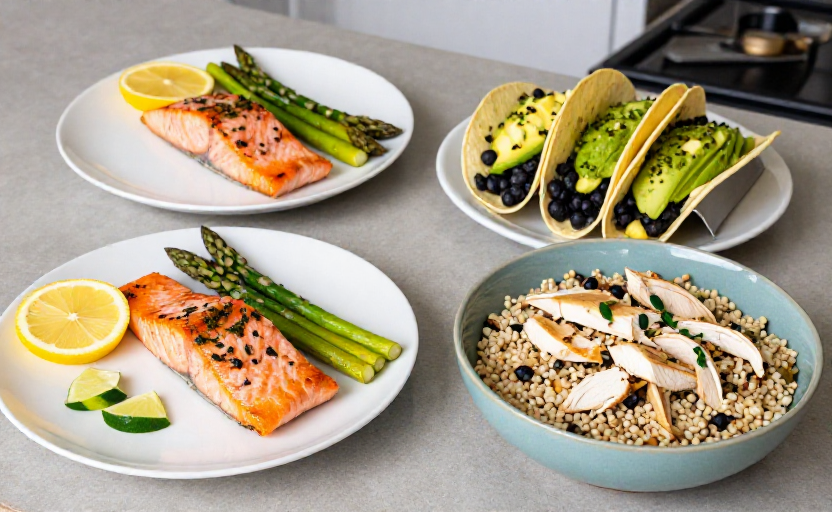
Finding time to cook a meal that’s both good for you and genuinely satisfying can feel like a daily challenge. The goal isn’t perfection, but simple, repeatable wins that support your heart without demanding hours in the kitchen. These three recipes are built on that principle—each balances lean protein, healthy fats, and fiber-rich vegetables, and each comes together in about the time it takes to watch a sitcom.
They focus on whole-food ingredients you can find in any supermarket, turning them into vibrant plates that are as enjoyable to eat as they are beneficial for cardiovascular wellness. Think of them as your new weeknight toolkit: fast, flavorful, and fundamentally good for you.
What makes a dinner heart-healthy?
Before we get to the recipes, it helps to know what we’re aiming for. A heart-supportive meal isn’t about deprivation; it’s about strategic nourishment. The core pillars are simple: prioritize vegetables and fruits for fiber and antioxidants, choose lean proteins or plant-based options, opt for healthy fats like olive oil or those found in nuts and fish, and use whole grains over refined ones. Sodium and added sugars are used thoughtfully, often replaced by herbs, spices, and citrus for big flavor.
The foundation is simple: more plants, smart proteins, good fats, and whole grains.
These recipes put that framework into practice. They’re designed to be satisfying and complete, so you’re not left searching for snacks an hour later. Each one incorporates elements known to support cardiovascular health, like the omega-3s in salmon, the monounsaturated fat in avocado, or the soluble fiber in beans and oats.
1. Lemon-Herb Salmon with Asparagus & Quinoa
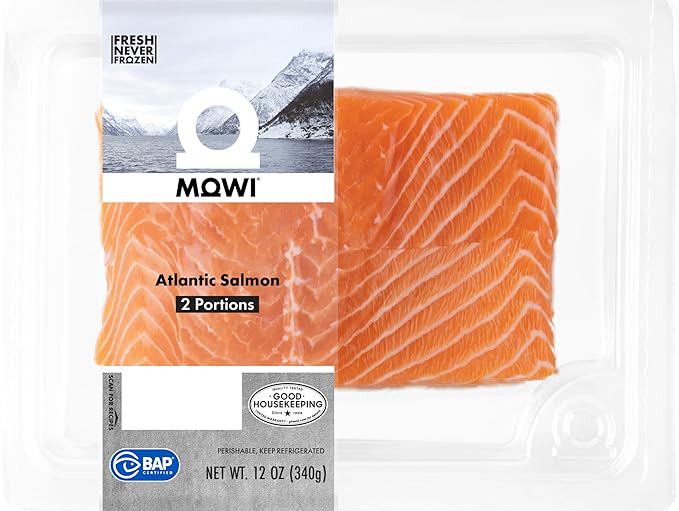
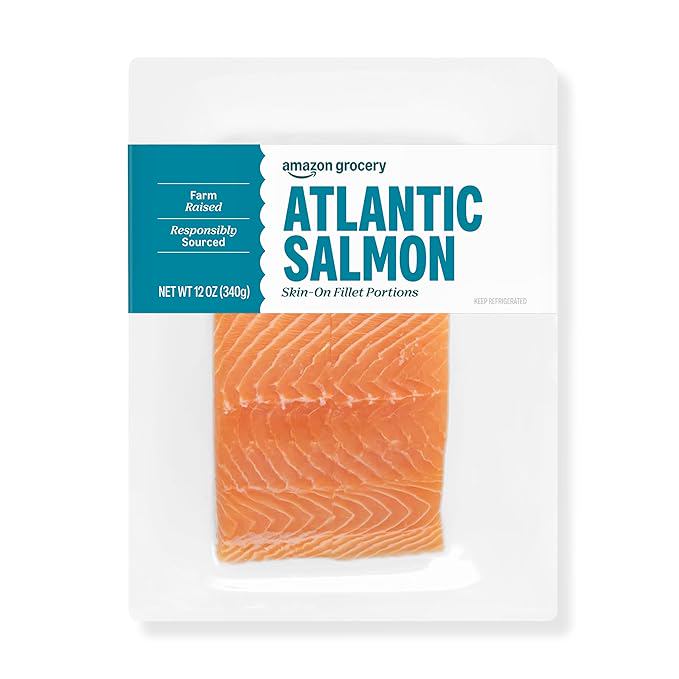
This one-pan wonder is a classic for a reason. Salmon is rich in omega-3 fatty acids, which are celebrated for their role in supporting healthy cholesterol levels and overall heart function. Paired with fibrous asparagus and protein-packed quinoa, it’s a nutrient-dense meal that feels elegant yet is incredibly straightforward.
You’ll need:
- 2 salmon fillets (about 6 oz each), skin-on or skinless
- 1 bunch of asparagus, woody ends trimmed
- 1 cup quinoa, rinsed
- 1 lemon (half for juice, half for slices)
- 2 tbsp olive oil
- Fresh dill or parsley, chopped
- Garlic powder, salt, and black pepper
How to make it: Start by cooking the quinoa according to package directions (it usually simmers for about 15 minutes). While it cooks, preheat your oven to 400°F (200°C). On a sheet pan, toss the asparagus with a drizzle of olive oil, salt, and pepper. Place the salmon fillets beside the asparagus. Drizzle salmon with olive oil, then season with garlic powder, salt, pepper, and a generous squeeze of fresh lemon juice. Lay a couple of lemon slices on top of each fillet.
Roast for 12-15 minutes, or until the salmon flakes easily with a fork and the asparagus is tender-crisp. Fluff the quinoa with a fork and stir in some chopped fresh herbs. Serve the salmon and asparagus over the herbed quinoa, drizzling any pan juices over the top.
2. Black Bean & Avocado Tacos with Cabbage Slaw
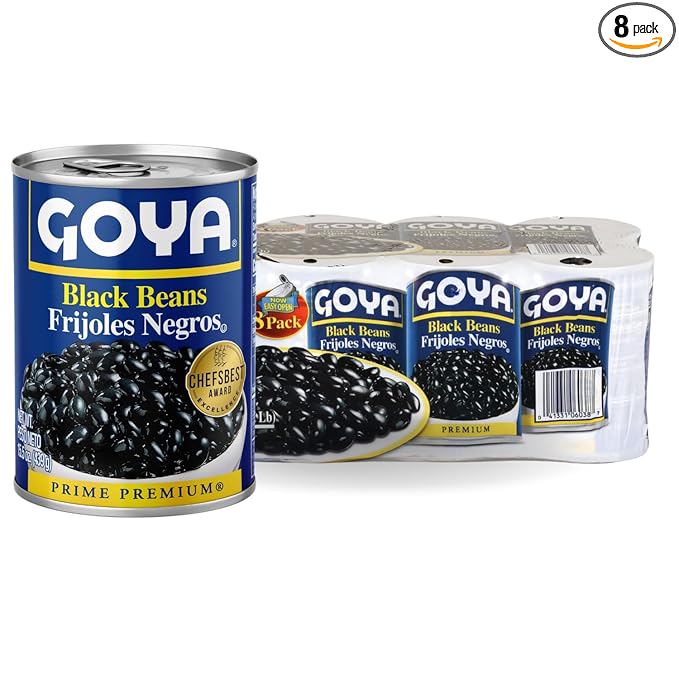
Plant-based meals are a cornerstone of heart-healthy eating, and these tacos are anything but boring. Black beans provide a hefty dose of soluble fiber and plant protein, while avocado contributes heart-friendly monounsaturated fat. The crunchy cabbage slaw adds texture, freshness, and more fiber.
You’ll need:
- 8 small corn or whole-wheat tortillas
- 1 can (15 oz) low-sodium black beans, rinsed and drained
- 1 ripe avocado, sliced or diced
- 2 cups shredded red or green cabbage
- 1 lime
- Plain Greek yogurt or a dairy-free alternative
- Cumin, chili powder, and a pinch of salt
- Fresh cilantro (optional)
How to make it: Warm the black beans in a small saucepan over medium heat with a splash of water, a teaspoon of cumin, and half a teaspoon of chili powder. Mash them slightly with a fork as they warm to create a chunky texture. While the beans heat, make a quick slaw by tossing the shredded cabbage with the juice of half the lime and a pinch of salt.
Warm the tortillas according to package directions. To assemble, spread a layer of seasoned black beans on each tortilla. Top with avocado slices, a handful of the lime-kissed cabbage slaw, a dollop of Greek yogurt for creaminess, and a sprinkle of fresh cilantro. Serve immediately with extra lime wedges on the side.
A note on toppings
Keep toppings bright and fresh. Instead of pre-shredded cheese or sour cream, lean on creamy avocado, tangy yogurt, pico de gallo, or a squeeze of lime. These add moisture and richness without the saturated fat and sodium found in many traditional taco toppings.
3. Mediterranean Chicken & Chickpea Bowl
Inspired by the famously heart-supportive Mediterranean diet, this bowl is a vibrant mosaic of colors and textures. It combines lean chicken with fiber-rich chickpeas, tomatoes, cucumber, and a simple olive oil and lemon dressing—a powerful combination of nutrients that supports overall wellness.
You’ll need:
- 2 boneless, skinless chicken breasts, sliced into strips
- 1 can (15 oz) chickpeas, rinsed and drained
- 1 cup cherry tomatoes, halved
- 1 small cucumber, diced
- 1/4 cup red onion, thinly sliced
- 1/4 cup Kalamata olives, pitted (optional)
- 3 tbsp olive oil
- 1 lemon (juice and zest)
- Oregano, salt, and pepper
- Pre-cooked brown rice or farro (for serving)
How to make it: If serving with a grain like brown rice or farro, start warming it according to package directions. Season the chicken strips with oregano, salt, and pepper. Heat one tablespoon of olive oil in a skillet over medium-high heat. Cook the chicken for 5-7 minutes, turning occasionally, until cooked through and golden.
In a large bowl, combine the chickpeas, cherry tomatoes, cucumber, red onion, and olives. In a small jar, make the dressing by shaking together the remaining two tablespoons of olive oil, the juice and zest of the lemon, a teaspoon of dried oregano, and a pinch of salt and pepper. Pour most of the dressing over the chickpea-vegetable mixture and toss to coat.
To serve, create a bed of the warm grain in each bowl. Top with the dressed chickpea salad and the cooked chicken strips. Drizzle with the remaining dressing.
Cooking for your heart doesn’t require a complete lifestyle overhaul. It starts with a few reliable recipes that you look forward to making. These three dinners are designed to be those recipes—quick to prepare, full of recognizable ingredients, and aligned with the principles of cardiovascular wellness. The best heart-healthy habit is the one you can actually stick with, and a delicious, 30-minute dinner is a perfect place to begin.