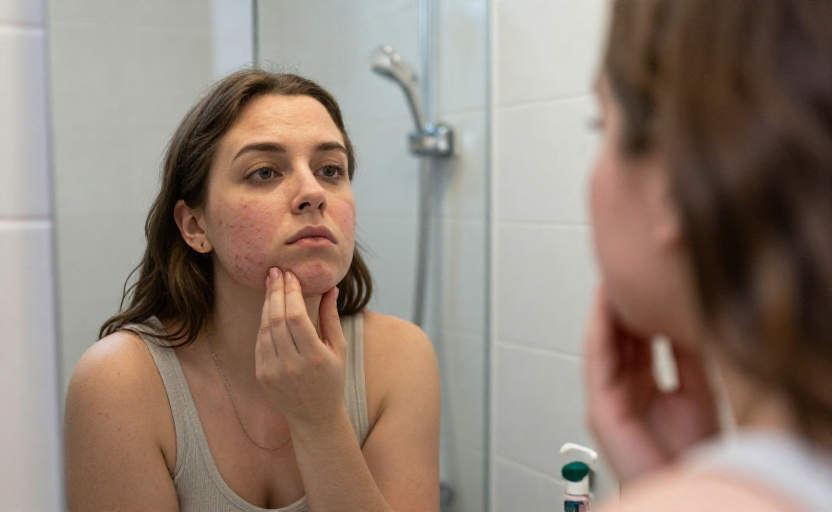
You're doing the right things — you've seen a dermatologist, maybe you're on a skincare routine that targets breakouts, and you're sticking with it. But if PCOS-related acne keeps returning, especially along your jawline, chin, and neck, it's not just about what you put on your skin. Hormonal acne from polycystic ovary syndrome is stubborn because it's driven from the inside out, by androgens (like testosterone) that stimulate oil production and clog pores.
When standard acne treatments aren't enough, the problem often lies in everyday habits that work against your progress. These three patterns are common culprits. Changing them won't replace your medical treatment — but they can help your skin finally respond.
1. Eating That Spikes Blood Sugar Throughout the Day
This is the biggest one. PCOS is closely linked to insulin resistance, meaning your body's cells don't respond well to insulin. To compensate, your body pumps out more insulin. High insulin levels, in turn, signal your ovaries to produce more androgens. More androgens mean more sebum (oil) and more acne.
If your diet is built around high-glycemic foods — white bread, sugary cereals, white rice, crackers, sweetened coffee drinks, candy — you're sending your insulin on a roller coaster. Each spike triggers a hormonal cascade that fuels breakouts, even if your topical treatment is perfect.
A simple shift: Pair carbohydrates with protein, fat, or fiber. An apple alone spikes blood sugar more than an apple with a tablespoon of peanut butter. Choose whole grains over refined ones, and aim to eat protein at every meal. This isn't about restriction — it's about balance that keeps your hormones steadier.
2. Skipping Sleep or Having an Irregular Sleep Schedule
Sleep deprivation isn't just about feeling tired. When you don't get enough restorative sleep, your cortisol (stress hormone) levels rise. Cortisol and insulin talk to each other; high cortisol worsens insulin resistance, which then drives up androgens. It's a direct metabolic pathway from a bad night's sleep to a new breakout.
Many people with PCOS also have sleep apnea or difficulty staying asleep due to hormonal fluctuations. If you're staying up late and waking at different times, your body's circadian rhythm — which regulates hormone release — gets disrupted. Irregular sleep sends mixed signals to your endocrine system, and your skin takes the hit.
Even if your diet and skincare are dialed in, chronic sleep debt can keep your hormone levels inflammatory. Prioritizing a consistent bedtime (even on weekends) is one of the most underrated steps for PCOS acne.
3. Using the Wrong Skincare Approach for Hormonal Acne
Sometimes, in frustration, people with PCOS acne scrub harder, layer on more actives, or switch products weekly. But hormonal acne doesn't respond to aggressiveness. Harsh cleansers, physical scrubs, and too many exfoliating acids can strip the skin barrier, leading to irritation and more inflammation — which makes acne worse, not better.
Another common mistake is avoiding moisturizer because skin feels oily. Dehydrated skin compensates by producing even more oil. And skipping sunscreen can make post-inflammatory hyperpigmentation (the dark marks acne leaves behind) last longer.
The right approach is gentle, consistent, and anti-inflammatory. A non-stripping cleanser, a moisturizer with ceramides or niacinamide, and a prescription retinoid (if your doctor prescribed one) work better than a cabinet full of harsh spot treatments. Stay the course for at least 8–12 weeks before judging a routine.
When to Check Back With Your Doctor
If you've addressed these three areas and your PCOS acne is still flaring, it may be time to revisit your treatment plan. Some people need medications like spironolactone (which blocks androgens) or oral contraceptives (which regulate hormones), but only a healthcare provider can determine what's safe for you. Do not adjust prescriptions on your own.
PCOS acne is manageable, but it requires a whole-body view. Cutting the habits that fuel hormone-driven breakouts gives your medical treatments a fighting chance.