Pregnancy brings a long list of body changes, and one of the most important—and least discussed—is what happens to the pelvic floor. This sling of muscles supports your bladder, uterus, and bowel, and it takes a real beating during those nine months. You might already know that pregnancy itself puts pressure on these muscles, but the surprising part is that some of your daily habits could be making things worse. The good news is that a few simple adjustments can protect your pelvic floor now and set you up for a smoother recovery after birth.
1. The Bearing-Down Reflex When You Poop
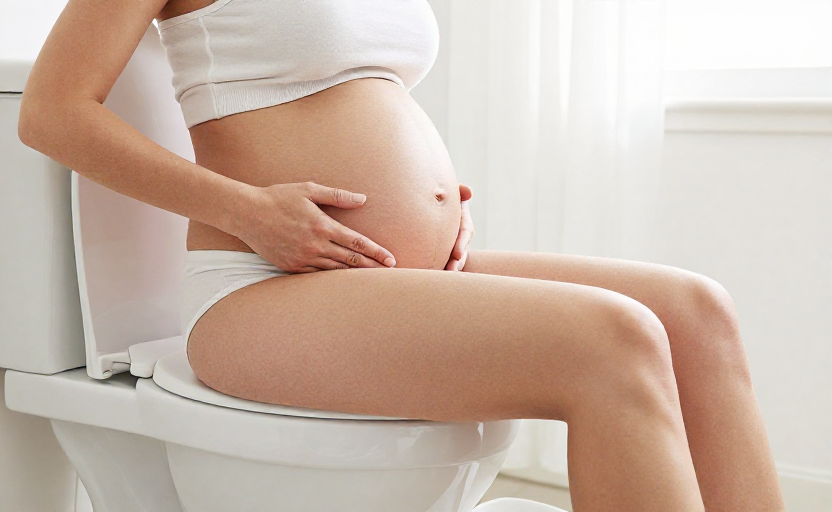
It sounds strange to talk about bathroom habits, but this is one of the biggest culprits. Many pregnant women develop constipation due to hormonal shifts and iron supplements. The natural reaction is to hold your breath and push hard to move things along. Unfortunately, this bearing-down motion strains the pelvic floor and the connective tissue around it. Over time, it can stretch those muscles beyond their normal range.
Instead of pushing, try a different approach. Rest your feet flat on a small stool or squat platform so your knees are slightly higher than your hips. This changes the angle of your rectum and allows the stool to pass with much less effort. Keep your mouth slightly open and exhale gently rather than holding your breath. Drink plenty of water throughout the day, and add fiber-rich foods like oatmeal, pears, and chia seeds to your diet. If you still feel like you need to strain, talk to your provider before using any stool softeners.
A simple rule for the bathroom: breathe out slowly, don't hold your breath, and keep your jaw relaxed. Your pelvic floor will thank you.
2. Lifting and Carrying with Poor Alignment
Whether you are lifting a toddler, a laundry basket, or a bag of groceries, the way you do it matters. During pregnancy, your center of gravity shifts forward, and the hormone relaxin loosens your ligaments. This combination makes it very easy to lean over from your waist and let your belly lead the movement. That forward bend places heavy pressure directly onto your pelvic floor.
The fix is straightforward. When you pick something up, squat down by bending your knees and keeping your back straight. Pull the object close to your chest before standing. Engage your deep core muscles by imagining you are gently lifting your pelvic floor upward. If you are carrying a child on your hip, switch sides often or use a front carrier to distribute the weight evenly. For heavy bags, divide the weight between both hands instead of carrying everything on one side.
3. Holding Your Breath During Exercise
It is common to hold your breath when you are exerting yourself—during a squat, a crunch, or even getting out of a low chair. This is known as the Valsalva maneuver, and while it helps stabilize your spine during heavy lifting, it increases intra-abdominal pressure significantly. For a pregnant person, that extra pressure pushes down on the pelvic floor and can weaken it over time.
Adjust your breathing pattern. Exhale on the effort: breathe out when you lift, push, or stand up, and breathe in when you lower or release. Practice this during daily movements like standing up from the couch or getting out of bed. During exercise, avoid holding your breath for more than a second. You can also try a basic breath check: if you notice your shoulders rise and your jaw clench, you are probably holding your breath. Relax your shoulders and keep a steady rhythm.
How to strengthen and protect your pelvic floor
Fixing these three habits will reduce unnecessary pressure, but you can also take active steps to maintain strength. Kegel exercises are the classic move, but they only work if you do them correctly. The next time you urinate, try to stop the stream mid-flow—that squeezing sensation is your pelvic floor contracting. Do not do this while you pee regularly (it can cause bladder issues), but use that feeling as a reference.
Perform Kegels while sitting or lying down. Squeeze the pelvic floor muscles for three to five seconds, then relax completely for the same amount of time. Aim for three sets of ten repetitions per day. The relaxation phase is just as important as the contraction—if your muscles never fully release, they can become tense and weak instead of strong.
When to see a pelvic floor physical therapist
If you feel a heavy dragging sensation in your vagina, have trouble controlling gas or urine, or notice that something feels like it is "falling out" down there, do not ignore it. A pelvic floor physical therapist can assess your muscle tone and teach you personalized exercises. Some women actually have overactive pelvic floors and need relaxation exercises rather than more Kegels. A professional can tell the difference.
Pregnancy is hard enough without worrying about avoidable strain. By changing how you breathe, lift, and use the bathroom, you give your pelvic floor a much better chance of staying resilient through labor and beyond.