
Breastfeeding is a learnable skill, but the way many of us prepare for it can stack the deck against us. From well-meaning advice to social media pressure, it’s easy to fall into habits that actually make the early days harder. Here are three common preparation pitfalls, along with practical shifts that can smooth the path.
Habit #1: Stockpiling Gear Before the Baby Arrives
The temptation to buy everything at once is real. Nursing pillows, nipple creams, multiple pumps, bottles, sterilizers, and specialized bras fill registry lists. The problem? You don’t yet know what your specific situation will need. A baby with a strong latch may never use a shield; a low-supply scenario might require a hospital-grade pump you didn’t budget for. All that gear can create pressure to use it a certain way—or make you feel like you’re failing if it doesn’t work.
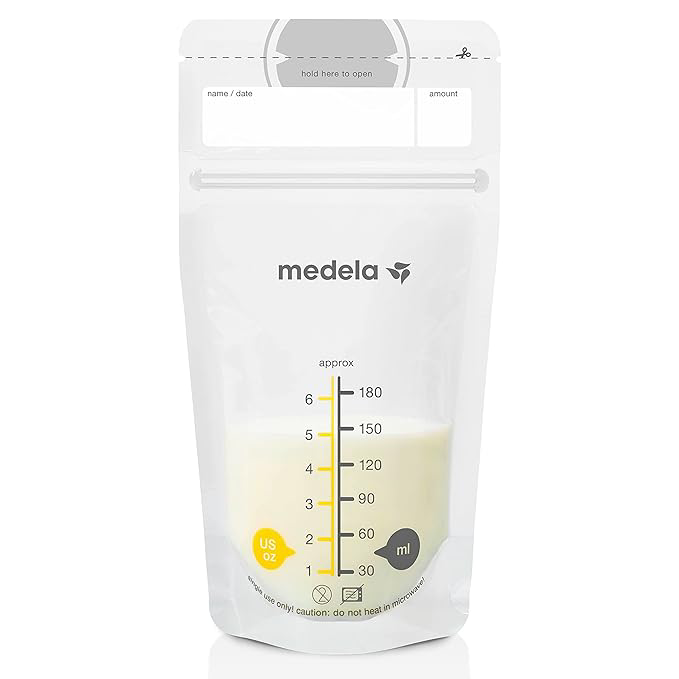
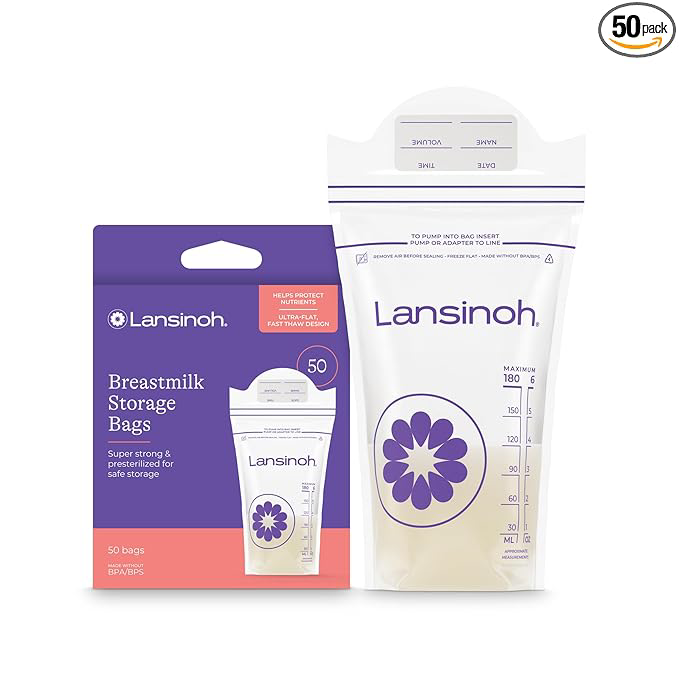
The fix: Start with the bare minimum. A few comfortable nursing bras, a simple hand pump or manual expression kit, and one or two storage bottles are enough for the first weeks. Give yourself permission to buy only what solves a problem you actually encounter. Most lactation consultants will tell you that a supportive pillow you already own (or even a rolled-up blanket) can work just as well as a specialty one. Keep receipts, and wait.
Habit #2: Over-Relying on Rigid Schedules
It’s natural to want structure, but newborns don’t read calendars. Many parents try to impose a three-hour feeding schedule from day one—or practice “pumping ahead” to create a stash before the baby even arrives. This approach overlooks a key biological fact: your milk supply builds on demand. The more frequently and responsively you feed (or pump) in those early days, the stronger your long-term supply tends to be.
“Follow your baby’s cues, not a clock. If they are hungry at two hours instead of three, feed them. That responsiveness is what builds a solid foundation.”
The fix: Shift your mindset from schedule to rhythm. Watch for early feeding cues—lip smacking, rooting, small sounds—rather than waiting for crying. Use a simple app to log feeds if it helps you feel oriented, but don’t let it dictate your choices. And resist the urge to pump extra before the baby is born; that can stimulate early labor and isn’t necessary. Colostrum is enough for the first days, and mature milk will come as your baby nurses.
Habit #3: Skipping Hands-On Learning
Reading books and watching videos is helpful, but breastfeeding is a physical skill. Many expecting parents focus on theory—positions, latch types, milk composition—without ever touching a breast pump or practicing hand expression. When the baby arrives, the mechanics feel foreign, and frustration sets in quickly.
The fix: Before birth, take a hands-on breastfeeding class (many hospitals offer them), practice hand expression in the shower (it’s safe and helps you learn your own anatomy), and get comfortable with the parts of a pump if you plan to use one. Ask a lactation consultant or a trusted friend who has breastfed to show you how to hold the baby without hunching. The muscle memory you build beforehand will reduce stress during those first sleepy, round-the-clock feedings.
Ultimately, preparation for breastfeeding isn’t about perfection—it’s about flexibility. Keep your approach open, your expectations kind, and your support circle close. Your body and your baby will teach you the rest.