Recovery after a stroke is a gradual process, and the heart plays a central role. A stable heart rate supports healing by ensuring the brain and body receive a steady supply of oxygenated blood. Certain everyday habits, however, can place extra strain on the cardiovascular system by causing unnecessary spikes in heart rate. Understanding these triggers is a practical step in protecting your long-term health.
Why a controlled heart rate matters after a stroke
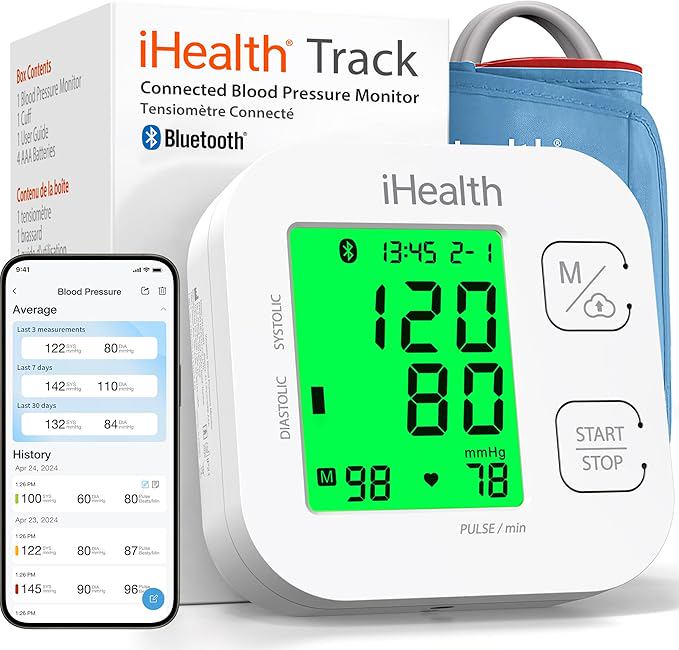
After a stroke, the brain’s regulatory systems may be more sensitive to changes in blood flow. A sudden increase in heart rate can raise blood pressure and reduce the efficiency of the heart’s pumping action. For someone in recovery, this added stress can increase the risk of complications or a second event. Keeping the heart rate within a healthy range—typically guided by a healthcare provider—helps maintain stable circulation and supports neurological repair.
1. Relying on high-caffeine beverages throughout the day
Caffeine is a central nervous system stimulant. For most people, a morning coffee is harmless, but after a stroke, the body may respond differently. Caffeine blocks adenosine, a neurotransmitter that promotes calmness and slows heart rate. Without this brake, the heart can beat faster and harder.
Common sources include:
- Drip coffee and espresso
- Black and green tea
- Energy drinks and soda
- Chocolate and caffeine-infused snacks
The risk is not only about the amount—it is about timing. Sipping caffeine throughout the day can keep heart rate elevated continuously. This can interfere with sleep, raise anxiety, and make it harder for the cardiovascular system to rest. Some stroke survivors also take medications that interact with caffeine, such as blood thinners or beta-blockers, which can amplify or alter its effects.
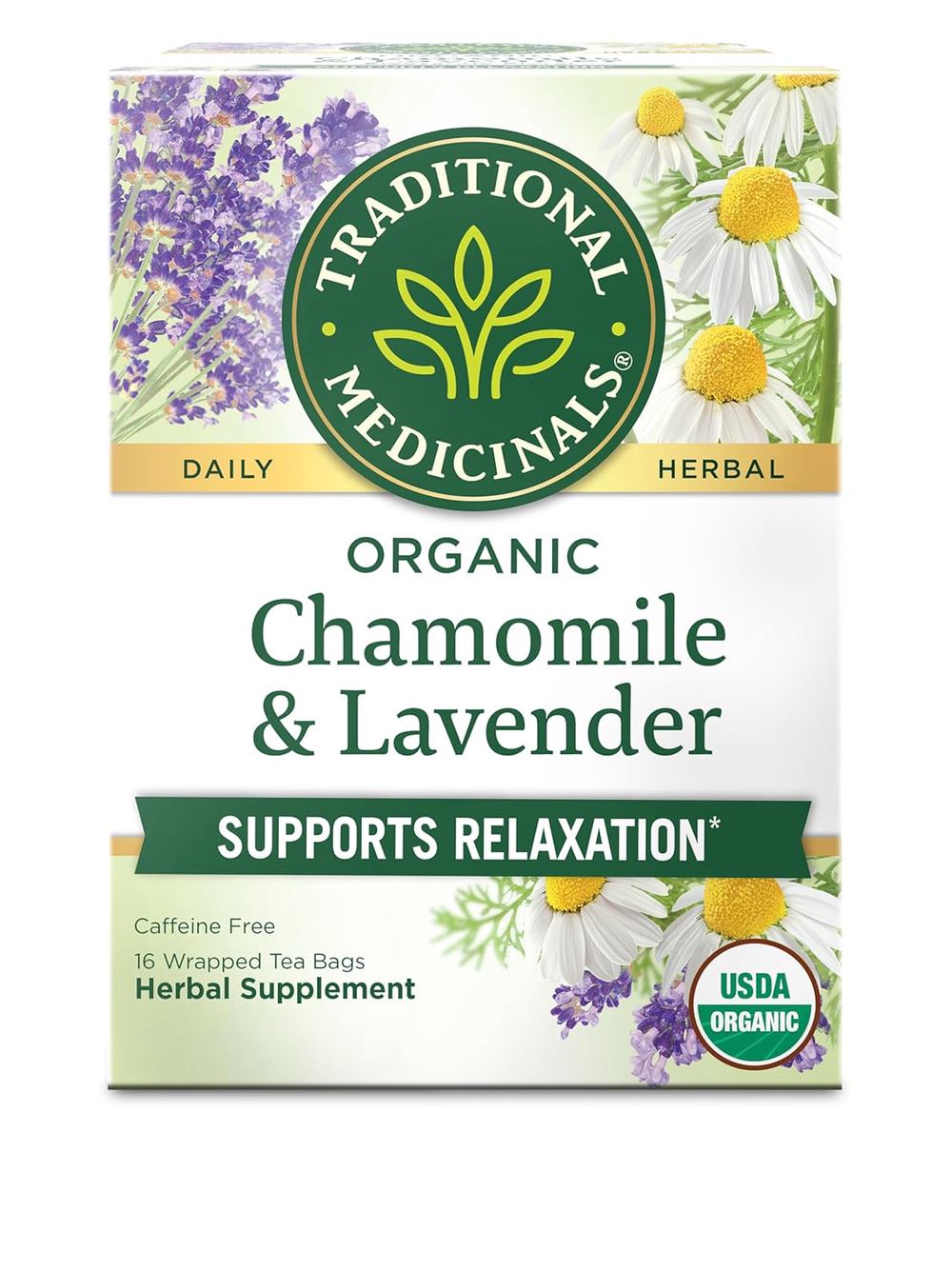
A simple switch: If you enjoy a warm drink, consider caffeine-free herbal teas like chamomile, rooibos, or peppermint. They provide comfort without the stimulant effect.
2. Skipping rest or pushing through fatigue
Fatigue is one of the most common and persistent challenges after a stroke. The brain uses more energy than usual to perform tasks that once felt automatic. When you ignore that fatigue and keep going, the body responds by releasing stress hormones like cortisol and adrenaline. These hormones increase heart rate and blood pressure as part of a “fight or flight” response.
Pushing through exhaustion may seem productive, but it often backfires. It can lead to:
- Higher resting heart rate throughout the day
- Reduced concentration and memory function
- Slower physical recovery from therapy sessions
Instead, building intentional rest breaks into your routine helps the nervous system reset. Even five minutes of sitting quietly, breathing slowly, or lying down can lower heart rate and improve how you feel for the next hour. This is not laziness—it is strategic recovery.
3. Consuming high-sodium processed foods
Sodium affects the body’s fluid balance. When you eat a meal high in salt, your body holds onto more water to dilute the sodium in your bloodstream. This increases the volume of blood circulating through your veins and arteries. The heart must pump harder and faster to move this extra volume, which can raise both blood pressure and heart rate.
Processed foods are the biggest source of hidden sodium. Common culprits include:
- Canned soups and broths
- Deli meats and sausages
- Frozen dinners and pizza
- Condiments like soy sauce and ketchup
- Packaged snack foods like chips and crackers
Reading nutrition labels is one of the most effective ways to track sodium intake. Look for items with 140 mg or less per serving. Cooking from scratch using herbs, citrus, and spices allows you to control the salt content while still enjoying flavorful meals. Fresh or frozen vegetables, lean proteins, and whole grains form a heart-healthy foundation.
Rule of thumb: If it comes in a box or bag and has a long ingredient list, check the sodium level before making it a regular part of your diet.
How to lower your risk
Managing these habits does not mean eliminating everything you enjoy. It means becoming aware of how your body responds and making small adjustments. Here are a few practical steps to consider:
- Track your triggers. Keep a simple journal for a few days. Note what you eat, drink, and how you feel. Look for patterns—like a faster heart rate after a soda or a skipped rest break.
- Hydrate with water. Staying well-hydrated helps regulate blood volume and reduces the need for salty foods. Aim for small, consistent sips throughout the day.
- Set a rest schedule. If you tend to overdo it, set a timer for 45–60 minutes of activity, then take a mandatory 10–15 minute break. Treat it as part of your recovery plan.
- Consult your healthcare team. Each person’s recovery is unique. Work with your doctor or a cardiac rehabilitation specialist to understand what heart rate range is safe for you and how your medications may interact with caffeine or diet.
Recovery is not about perfection. It is about building awareness and making choices that support your heart and brain over the long term. By recognizing these three habits, you can take a more active role in your healing journey.