
You’ve decided you’re ready to start a family, so you stop taking your birth control pills, remove the patch, or take out your IUD. Then you wait. And wait. For some women, fertility returns almost immediately. For others, it takes months — sometimes longer. While every woman’s body is different, certain everyday habits can quietly push back that window of fertility even further.
Here are three habits that may delay your return to ovulation after stopping hormonal contraception, along with what you can do to support a smoother transition.
Skipping key nutrients — especially zinc, folate, and B vitamins
Hormonal birth control can deplete several nutrients that are critical for ovulation and early pregnancy. If your diet is light on these, you may be missing some of the raw materials your body needs to regulate your cycle and produce healthy eggs.
The main ones to watch are:
- Zinc — supports egg maturation and hormone signaling. Low zinc levels have been linked to longer cycle recovery after stopping the pill.
- Folate (vitamin B9) — essential for DNA synthesis and cell division. Low folate can disrupt the quality of developing eggs.
- Vitamin B6 — helps metabolize estrogen and supports progesterone production. A deficiency can delay the return of regular ovulation.
- Magnesium — involved in hundreds of enzyme reactions, including those that balance cortisol and reproductive hormones.
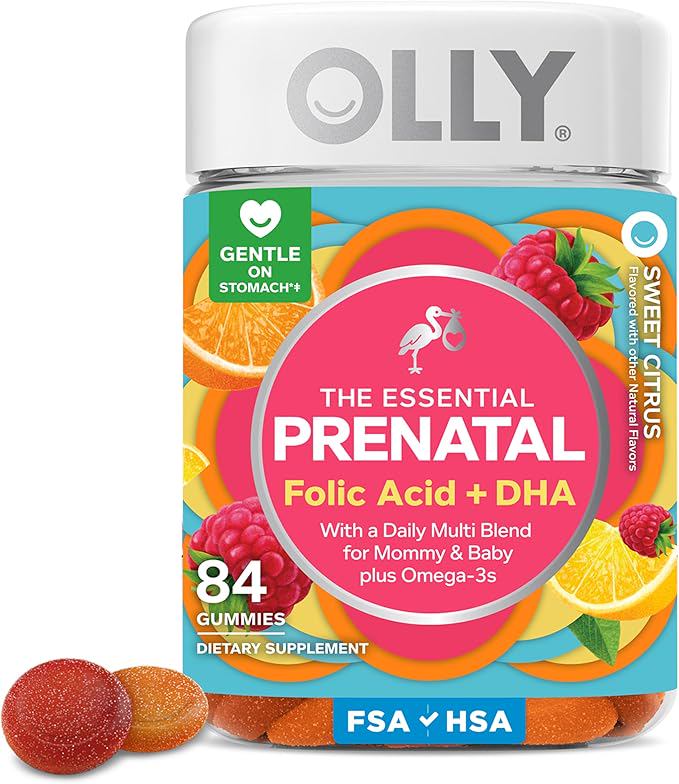
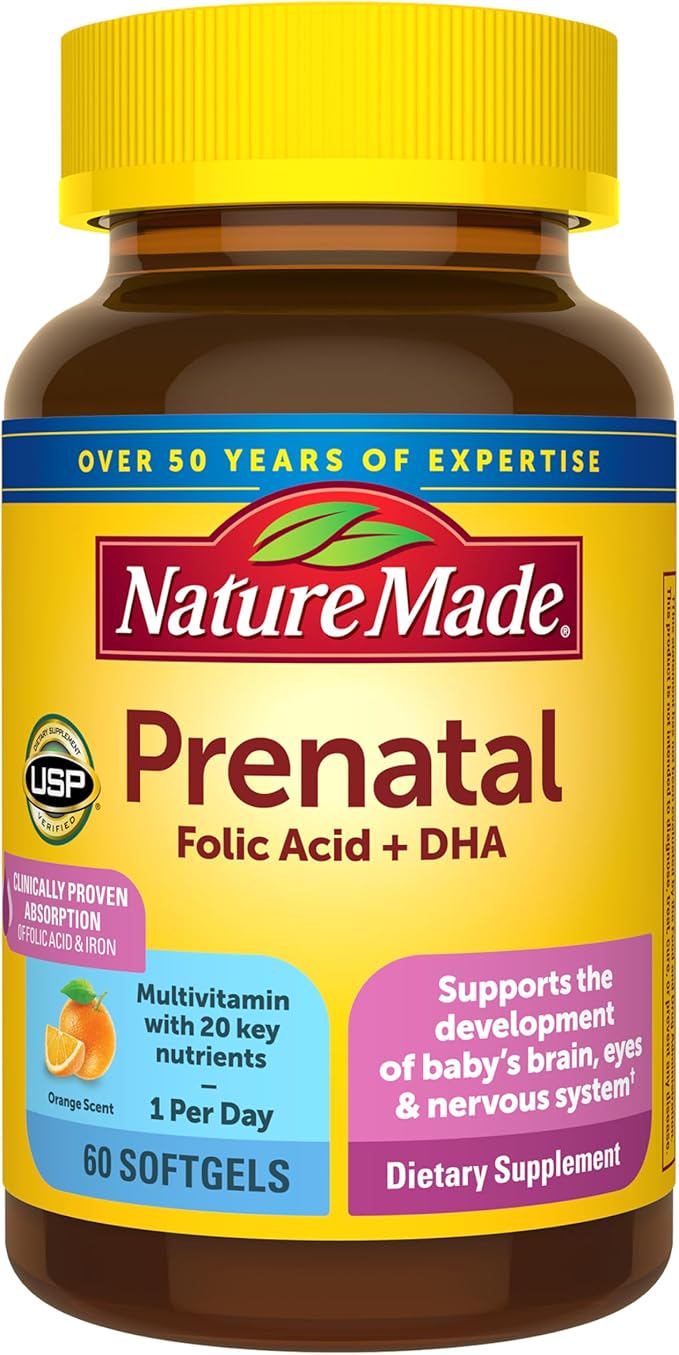
You don’t necessarily need supplements — though a prenatal vitamin can be helpful. Start by adding zinc-rich foods like pumpkin seeds, chickpeas, and oysters; folate-rich dark leafy greens and legumes; and B6 from bananas, potatoes, and poultry.
Chronic stress that raises cortisol and suppresses ovulation
Stress is a well-known fertility blocker. When you’re under constant pressure, your body releases cortisol — a hormone that can interfere with the hypothalamus and pituitary gland, which are in charge of triggering ovulation. The result: longer cycles, anovulatory cycles (no egg released), or a delayed return to fertility after stopping birth control.
Many women don’t realize that stopping the pill itself can be a stressor — the hormonal shift can affect mood, sleep, and anxiety levels. If you layer on a high-stress job, insufficient sleep, or emotional strain, you may be creating a physiological environment that isn’t yet ready for ovulation.
A simple practice: aim for 7 to 8 hours of quality sleep each night. Poor sleep elevates cortisol even further.
Consider adding a short daily practice that lowers your nervous system response — 10 minutes of slow, deep breathing, a gentle walk outdoors, or even a few restorative yoga poses before bed. Consistency matters more than intensity.
Overdoing intense exercise without enough recovery
Exercise is good for fertility — but the type, duration, and recovery matter. High-intensity interval training (HIIT), long-distance running, or heavy strength training without adequate rest can elevate cortisol and reduce body fat to a level that stalls ovulation. This is sometimes called “exercise-induced amenorrhea” — the loss of your period due to excessive physical stress.
After coming off birth control, your body is already recalibrating its hormone levels. Piling on extreme workouts can keep the system in a state of low energy availability, which signals the brain to delay ovulation until conditions improve.
What works better:
- Moderate cardio — brisk walking, cycling, or swimming 30–40 minutes a day
- Strength training — 2 to 3 days per week with adequate rest between sessions
- Recovery days — active recovery like light stretching or a slow walk counts
If you love intense workouts, try dialing back the frequency — or increase calorie intake to match your energy output. The goal is to support your body, not break it down.
While these three habits can delay the return of fertility, remember that some delay is also normal. For many women, ovulation resumes within a few weeks to a couple of months. The key is to support your body with consistent, gentle habits — not to panic if the first cycle doesn’t come right away. If you haven’t had a period three months after stopping hormonal contraception, it’s wise to check in with your healthcare provider to rule out underlying conditions like PCOS or thyroid disorders.