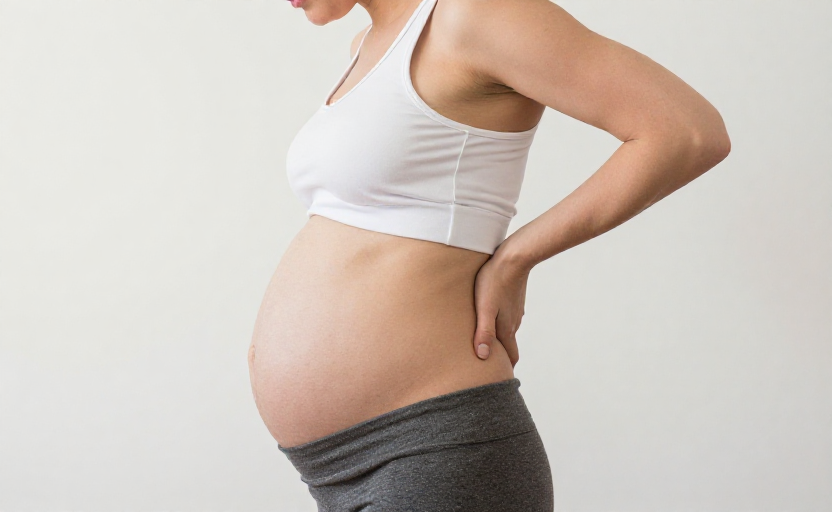
Carrying a growing baby changes almost everything about your body — your center of gravity shifts, your ligaments loosen, and your posture naturally adjusts to the new weight up front. Some back pain during pregnancy is normal, but many women find themselves caught in a cycle where simple daily habits are quietly making that ache worse.
Here are three common habits that may be intensifying your pregnancy back pain, along with practical, gentle fixes you can try today. These are general wellness suggestions — always listen to your body and talk to your healthcare provider if you experience severe or persistent pain.
1. The Standing Arch: Locking Your Knees
When you stand with your knees locked straight back, your pelvis tips forward, creating an exaggerated curve in your lower back. This position, often called a swayback or hyperlordosis, already happens naturally during pregnancy as your uterus grows. Locking your knees adds extra strain to the lumbar spine.
Fix it: Stand with your feet hip-width apart and keep a soft, micro-bend in your knees. Imagine a gentle spring in your legs that lets your pelvis settle into a neutral position. Shift your weight from one foot to the other every few minutes, or place one foot on a low stool if you have to stand for a while — this small change can reduce the pull on your lower back.
A good test: If you feel your kneecaps being pulled upward, your knees are likely locked.
2. The Belly Sling: Sleeping on Your Back After 20 Weeks
Sleeping on your back in the second and third trimesters places the full weight of your uterus — plus your intestines and major blood vessels — squarely onto your spine and the large vein that returns blood to your heart. This not only causes back pain but can also reduce circulation and make you feel lightheaded or short of breath.
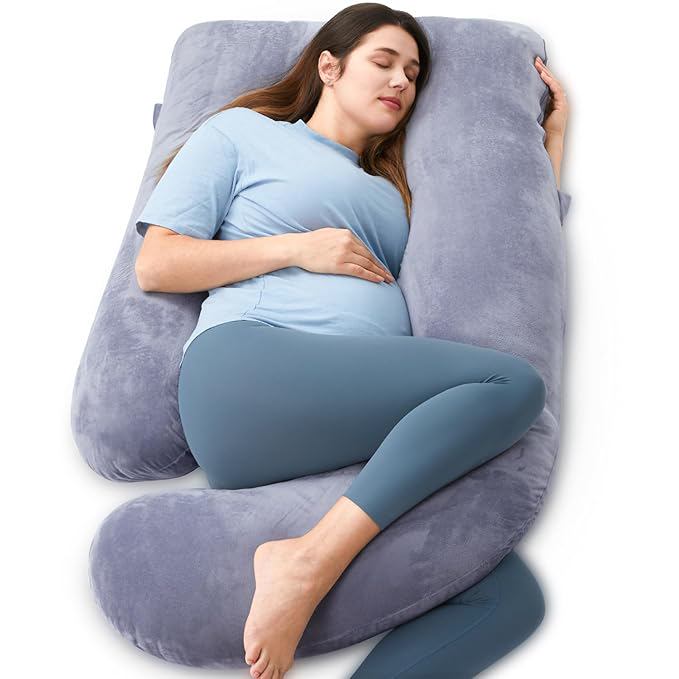
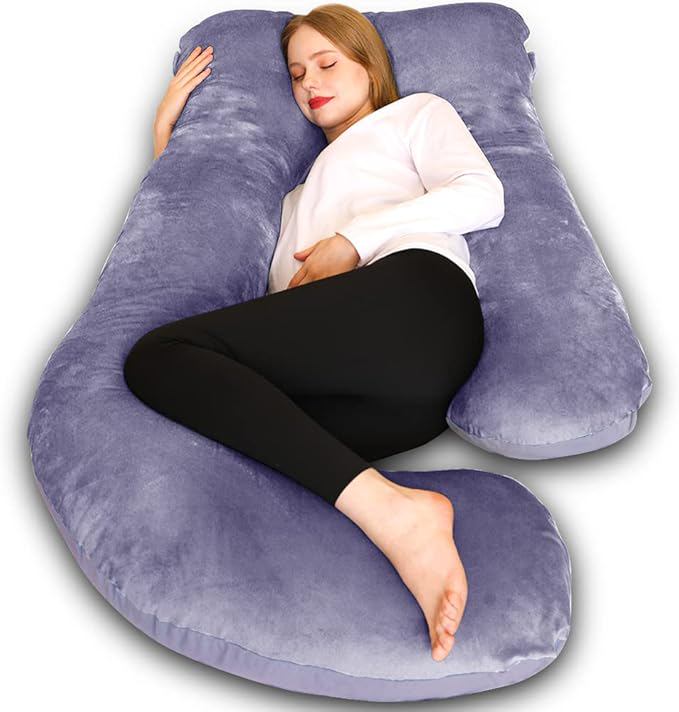
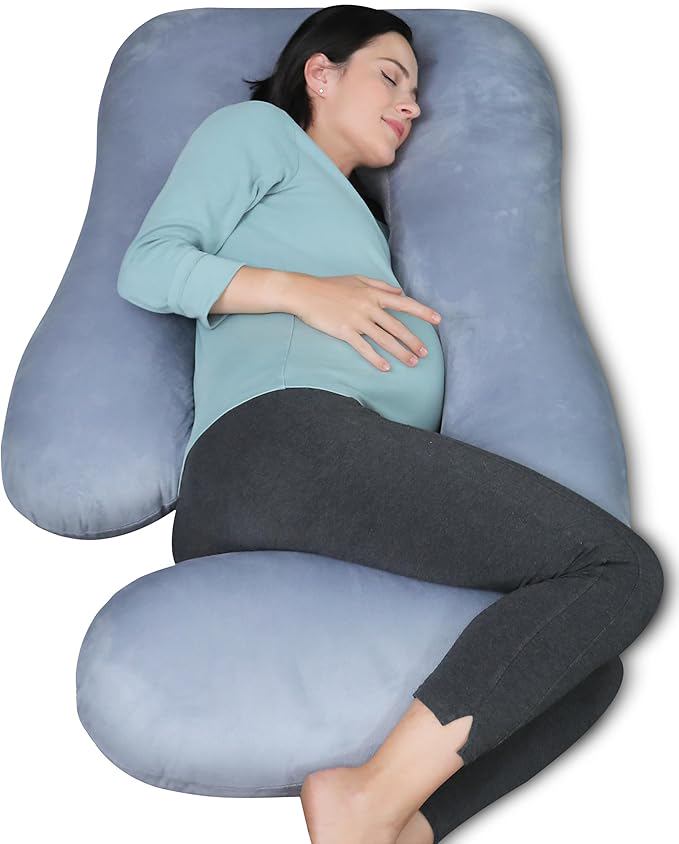
Fix it: Get comfortable sleeping on your side, ideally your left side, which improves blood flow to your baby and your kidneys. The trick is support: place a firm pillow between your knees and another under your belly. That belly pillow can be a standard bed pillow rolled up, a small throw pillow, or a dedicated pregnancy pillow. The goal is to keep your spine in a straight line from your neck to your pelvis without twisting.
If you naturally roll onto your back during the night, try tucking a pillow behind your back to prevent a full roll.
3. The Bending Bridge: Picking Things Up From a Twist
Pregnancy loosens the ligaments that stabilize your pelvis and lower back, making those joints more mobile and less stable. Bending at the waist to pick something up off the floor — especially when you twist to one side — puts sudden, uneven pressure on these already lax structures. This mechanical disadvantage is a prime source of sharp, acute back pain during pregnancy.
Fix it: Whether you are picking up a dropped pacifier, your toddler, or a grocery bag, the rule is always to squat with your back straight, not bend from the waist. Keep your feet wide for a stable base, and hold the object close to your body as you stand. Avoid twisting your torso while you lift. If possible, turn your whole body in the direction of the pick-up, not just your shoulders.
Habit check: If you often find yourself holding your breath while bending, you are likely in a dangerous pulling position for your spine.
Additional Tips for Managing Pregnancy Back Pain
Move a Little, Often
Long periods of sitting or standing can both trigger pain. Aim to change your position every 20 minutes. Gentle walks, prenatal yoga, and water exercises keep your supporting muscles active without overloading your joints.
Watch Your Footwear
High heels and completely flat, unsupportive shoes both alter your posture. A low, supportive shoe with a small heel (about one inch) often feels best during pregnancy because it helps balance your pelvis over your legs.
Consider Support Belts
A pregnancy support belt or belly band can take some of the weight off your lower back, especially if you have to be on your feet a lot. It is not a solution on its own, but it can offer meaningful relief when combined with the posture changes above.