Ovarian cysts are common, and most are harmless. But if you live with them, you know that the bloating, pressure, or occasional discomfort can be distracting. While no food magically makes a cyst disappear, research suggests that certain dietary patterns may help reduce the size of some cysts, ease symptoms, and support overall hormone balance. Dietitians emphasize three categories of foods that deserve a spot on your plate.
Why diet matters for ovarian cysts
Many ovarian cysts are functional—they develop as part of the menstrual cycle and often resolve on their own. Others, like those linked to polycystic ovary syndrome (PCOS), are driven by hormonal imbalances and insulin resistance. The foods you eat can influence inflammation, insulin levels, and how your body processes hormones. That's where targeted nutrition can help.
Important: Diet is a supportive tool, not a substitute for medical care. If you have sudden, severe pelvic pain, see a healthcare provider immediately.
1. High-fiber foods
Fiber is one of the most powerful allies for hormone balance. Soluble fiber binds to excess estrogen in the digestive tract and helps your body eliminate it rather than reabsorbing it. For women with functional cysts or PCOS, this can help regulate menstrual cycles and reduce cyst formation.
Dietitians recommend aiming for at least 25–30 grams of fiber daily from whole foods such as:
- Oats, barley, and quinoa – great sources of soluble fiber
- Beans and lentils – also rich in protein and minerals
- Berries, apples, and pears – especially with the skin on
- Broccoli, Brussels sprouts, and leafy greens – these also contain compounds that support liver detoxification
Increasing fiber gradually and drinking plenty of water can prevent digestive discomfort.
2. Anti-inflammatory fats
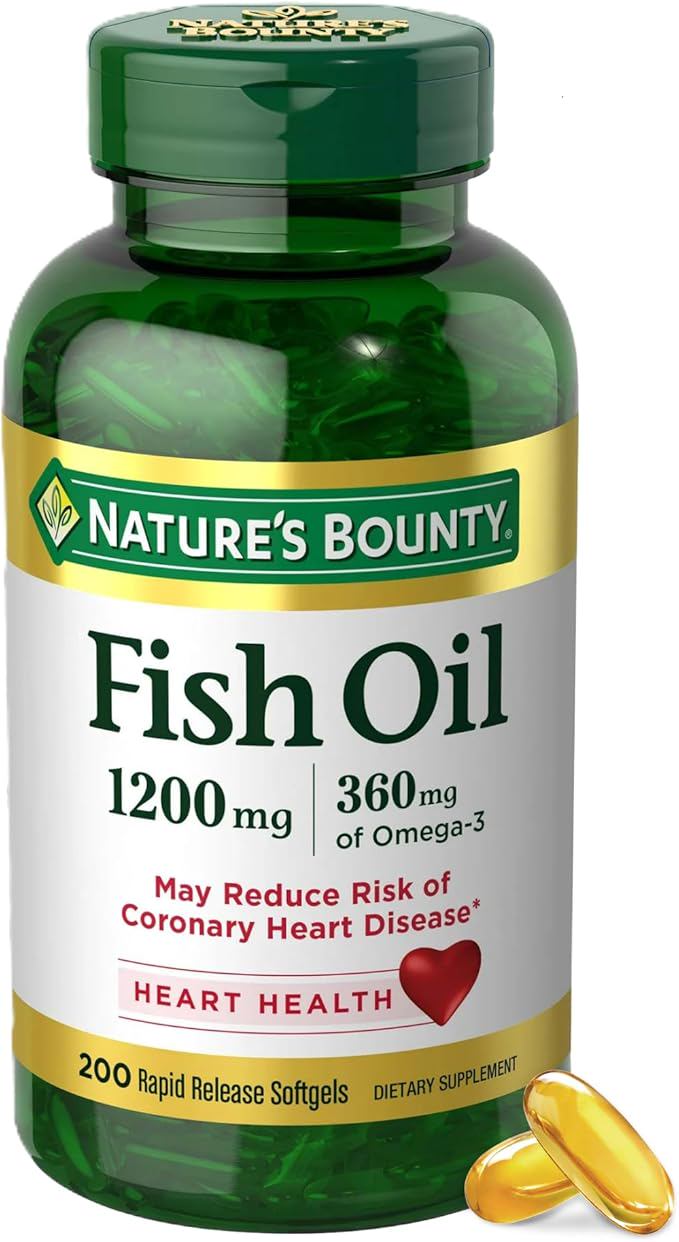
Chronic low-grade inflammation can worsen pain and cyst activity. Omega-3 fatty acids help reduce inflammation and may improve insulin sensitivity in women with PCOS.
Include these fats in your weekly rotation:
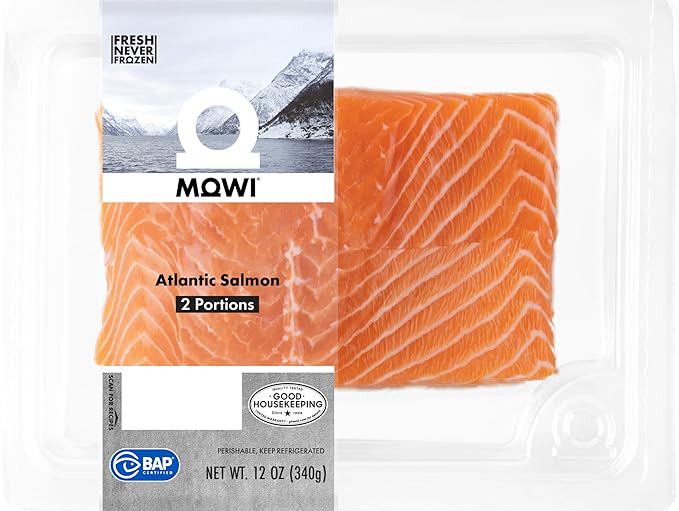
- Fatty fish – salmon, mackerel, sardines, and anchovies are the best sources of EPA and DHA
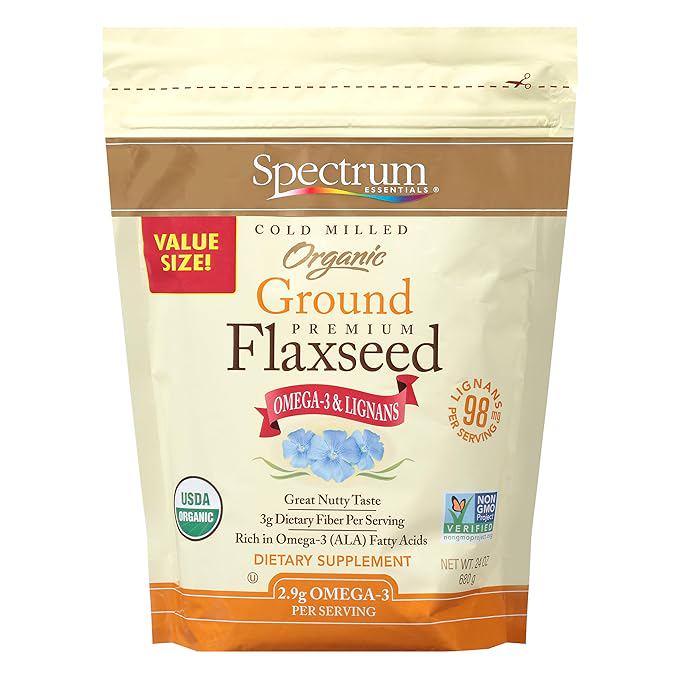
- Walnuts and flaxseeds – contain ALA, a plant-based omega-3
- Extra-virgin olive oil and avocado – rich in anti-inflammatory antioxidants
Aim for two servings of fatty fish per week. For plant-based sources, ground flaxseeds are easier to digest than whole seeds.
3. Blood-sugar-stabilizing proteins
Insulin resistance is a key driver of both PCOS and some types of ovarian cysts. When you eat protein with carbohydrates, it slows the absorption of sugar into your bloodstream, preventing sharp insulin spikes. Over time, stable blood sugar can help rebalance reproductive hormones.
Choose lean, high-quality proteins at each meal:
- Poultry and eggs – choose pasture-raised when possible for higher omega-3 content
- Greek yogurt and cottage cheese – these also provide calcium and probiotics
- Lentils, chickpeas, and edamame – pair well with whole grains for a complete protein
Dietitian tip: Build your plate with a fist-sized portion of protein, a palm-sized portion of fiber-rich carbs, and a thumb-sized portion of healthy fats. That simple ratio naturally supports blood sugar and hormone balance.
What about foods to avoid?
While the focus is on what to add, dietitians also suggest limiting ultra-processed foods, sugary drinks, and refined carbohydrates—think white bread, pastries, and sweetened cereals. These foods can spike insulin and promote inflammation, potentially worsening cysts.
Some women find that reducing red meat and full-fat dairy helps with bloating or pain, but individual tolerance varies. A food diary can help you identify personal triggers.
The bigger picture: lifestyle factors
Diet alone isn't the whole story. Regular physical activity—even 30 minutes of brisk walking five days a week—improves insulin sensitivity. Stress management is equally important; high cortisol levels can disrupt ovulation and hormone cycles. Adequate sleep (7–9 hours) supports your body's natural repair and detoxification processes.
This article is for general wellness education only and does not constitute medical advice. Always consult your healthcare provider before making significant dietary changes or if you have symptoms you are concerned about.